Journal
Published 5/8/2025
Published 5/6/2025
Published 5/7/2025
Published 5/8/2025
Published 5/16/2025
Published 5/27/2025
Published 6/25/2025
Published 7/18/2025
Published 10/21/2025
Published 12/19/2025
Published 2/2/2026
Published 2/5/2026
Published 2/11/2026
Published 2/16/2026
Published 5/30/2025
Published 2/25/2026
Published 3/2/2026
Published 10/3/2022
Published 3/23/2026
Published 3/25/2026
Published 4/9/2026
Published 4/13/2026
Published 5/4/2020
Published 4/23/2026
Published 4/29/2026
Published 5/7/2026
Published 5/13/2026
Published 5/19/2026
Published 5/26/2026
Published 11/1/2024
Published 10/12/2022
Published 6/12/2026
Published 10/1/2024
Published 6/24/2026
Published 7/3/2026
Published 11/1/2023
Published 7/17/2026
Published 7/20/2026
Published 8/5/2025
Published 11/17/2022
Published 8/6/2026
Published 11/6/2025
Published 11/7/2024
Published 11/5/2024
Published 11/3/2024
Published 8/6/2020
Published 8/6/2020
Published 8/6/2026
Published 8/6/2026
Published 8/6/2026
Published 8/6/2026
Published 1/4/2026
Published 9/5/2024
Published 9/7/2021
Published 1/1/2025
Published 2/2/2025
Published 8/17/2026
Published 8/24/2026
Published 9/1/2026
Published 8/20/2026
Published 9/9/2026
Published 10/22/2026
Published 10/30/2026
Published 11/5/2021
Published 11/6/2026
Published 11/11/2026
Notable sale: Jodi the Nanotyrannus sells for $47.3 million at Sotheby's
Published 05/11/2026
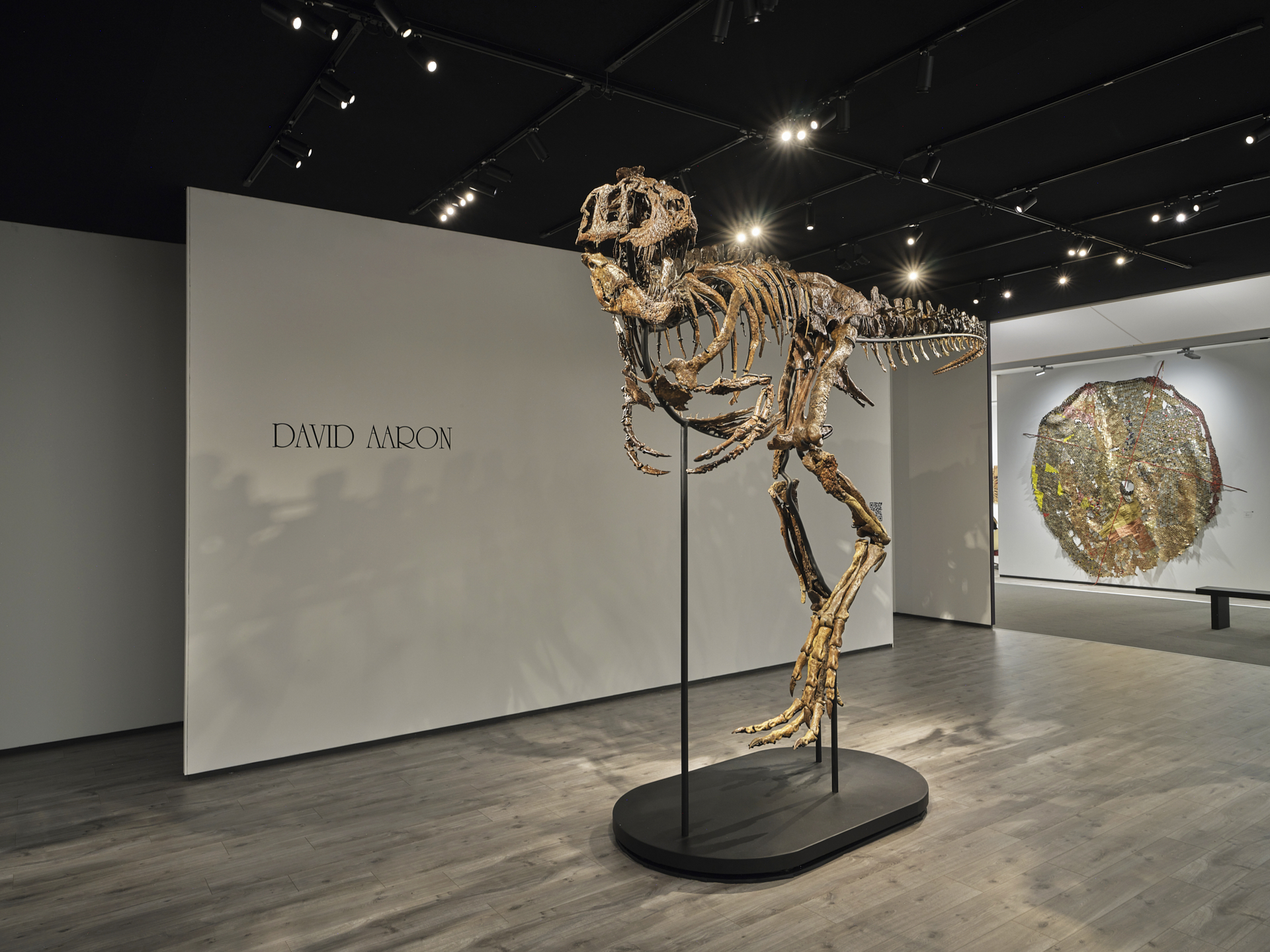
On 27 October 2026, a remarkable 67-million-year-old dinosaur skeleton known as Jodi sold for $47.3 million at Sotheby's New York, becoming the second most valuable dinosaur fossil ever sold at auction.
Jodi's journey to the rostrum began with David Aaron in 2021, when the gallery sold the skeleton to a private collector. Two years later, David Aaron presented her at Frieze Masters in London, where she attracted significant international attention. Her appearance at Sotheby's marks the latest chapter in the history of this extraordinary fossil.
Jodi the Nanotyrannus: Discovery and scientific significance
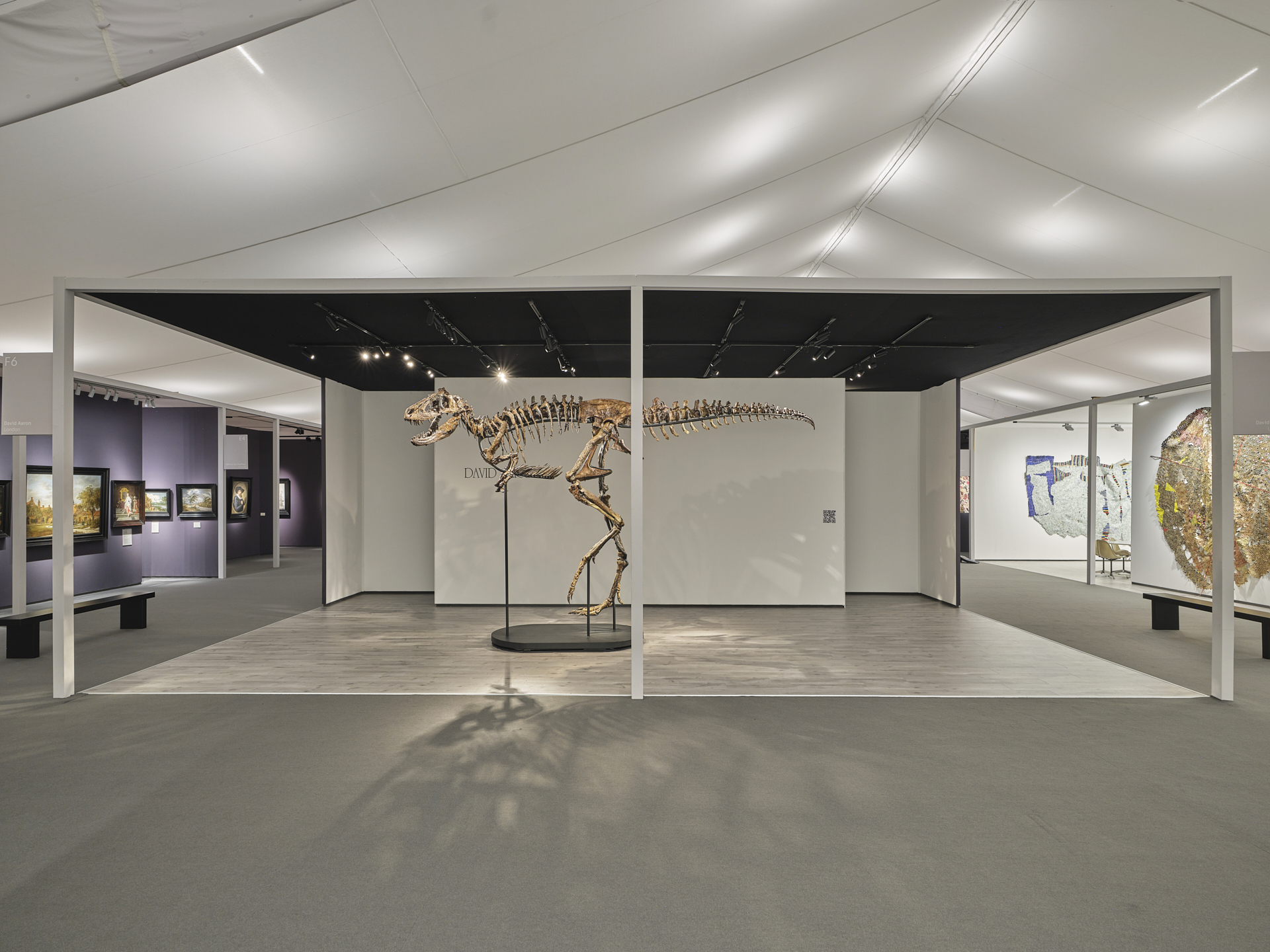
Dating to the Late Cretaceous period, approximately 67 million years ago, Jodi was discovered in 2019 in the Hell Creek Formation in Garfield County, Montana, USA.
Measuring approximately six metres in length, Jodi is distinguished by her exceptional preservation. The skeleton comprises approximately 191 fossil bone elements from a single individual, including a virtually complete skull containing 53 bones and approximately 50 teeth.
The preservation of the skull and postcranial skeleton provides important anatomical evidence for understanding the diversity and evolution of predatory dinosaurs towards the end of the Cretaceous period.
David Aaron at Frieze Masters 2023
In October 2023, David Aaron exhibited Jodi at Frieze Masters in Regent's Park, London, two years after selling the specimen to a private collector.
Presented alongside museum-quality antiquities and works of art, the skeleton attracted considerable attention from international collectors, visitors and the press. The exhibition introduced an exceptionally rare natural history specimen to audiences more accustomed to encountering ancient works of art.
A landmark auction result at Sotheby's
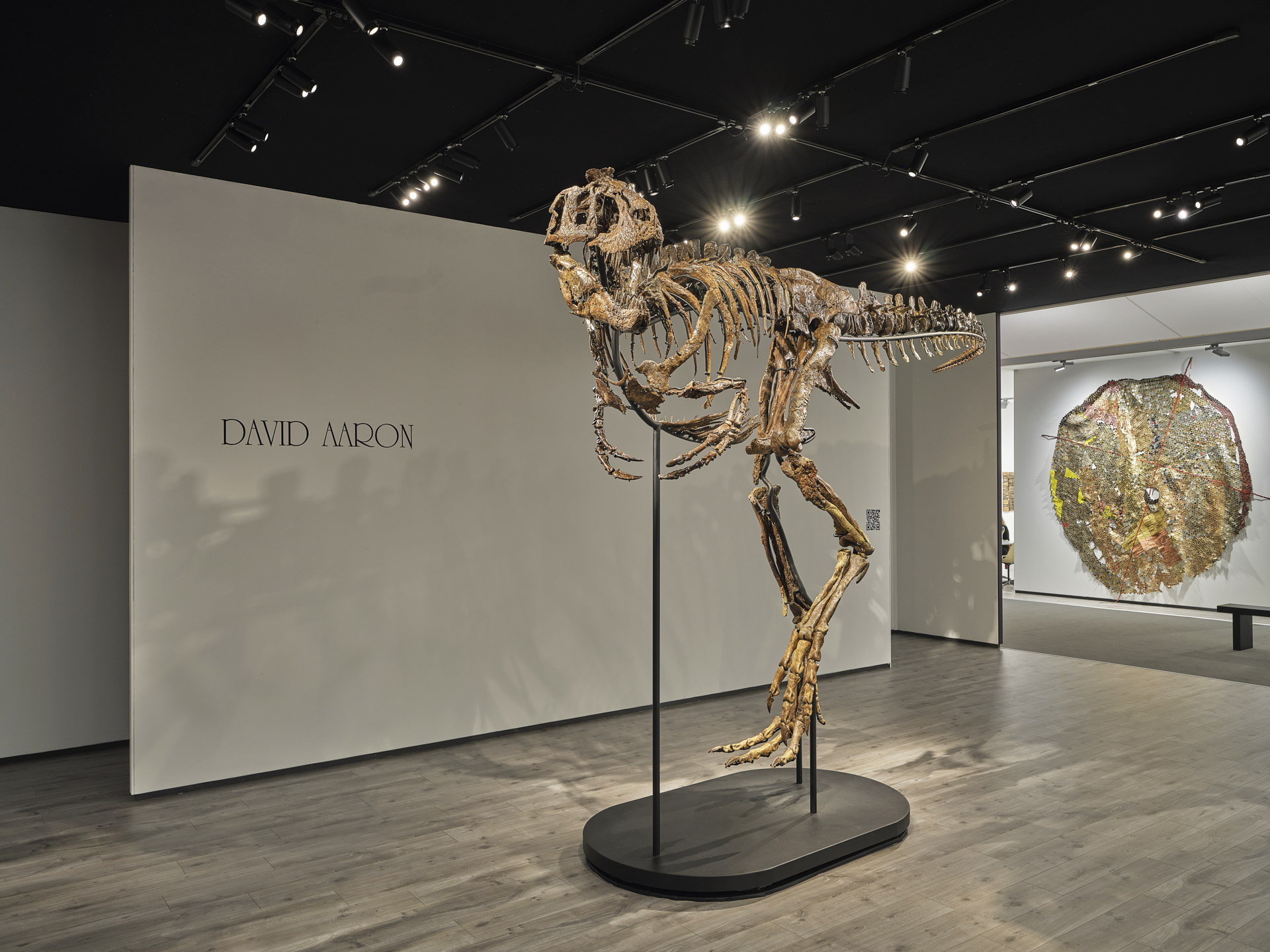
On 27 October 2026, Jodi returned to the international stage at Sotheby's New York.
Six bidders competed over twelve minutes, with the final price of $47.3 million exceeding the $6–9 million pre-sale estimate by more than five times its upper limit. The result was surpassed only by the $50.1 million sale of Gus, a Tyrannosaurus rex skeleton, earlier in 2026.
The sale reflects growing interest among private collectors in exceptional natural history specimens, with rarity, preservation, documented provenance and scientific significance playing an important role in their market valuations.
For David Aaron, which first sold Jodi in 2021 and subsequently introduced the specimen to international art fair audiences in 2023, the Sotheby's result represents a significant moment in the gallery's history and its involvement in the international natural history market.


 Where to find us?
 Newsletter
 Instagram
 Linked in
 Email