Journal
Published 5/8/2025
Published 5/6/2025
Published 5/7/2025
Published 5/8/2025
Published 5/16/2025
Published 5/27/2025
Published 6/25/2025
Published 7/18/2025
Published 10/21/2025
Published 12/19/2025
Published 2/2/2026
Published 2/5/2026
Published 2/11/2026
Published 2/16/2026
Published 5/30/2025
Published 2/25/2026
Published 3/2/2026
Published 10/3/2022
Published 3/23/2026
Published 3/25/2026
Published 4/9/2026
Published 4/13/2026
Published 5/4/2020
Published 4/23/2026
Published 4/29/2026
Published 5/7/2026
Published 5/13/2026
Published 5/19/2026
Published 5/26/2026
Published 11/1/2024
Published 10/12/2022
Published 6/12/2026
Published 10/1/2024
Published 6/24/2026
Published 7/3/2026
Published 11/1/2023
Published 7/20/2026
Published 8/5/2025
Published 11/17/2022
Published 8/6/2026
Published 11/6/2025
Published 11/7/2024
Published 11/5/2024
Published 11/3/2024
Published 8/6/2020
Published 8/6/2020
Published 8/6/2026
Published 8/6/2026
Published 8/6/2026
Published 8/6/2026
Published 1/4/2026
Published 9/5/2024
Published 9/7/2021
Published 1/1/2025
Published 2/2/2025
Published 8/17/2026
Published 8/24/2026
Published 9/1/2026
Published 8/20/2026
Published 9/9/2026
Ahead of their Time: The Besse Family Collection
Published 17/07/2026

 Christiane and Antonin Besse at their Ras Marshag residence in Aden, November 1967 (image credit: PAGES Francois / Contributor, Getty Images)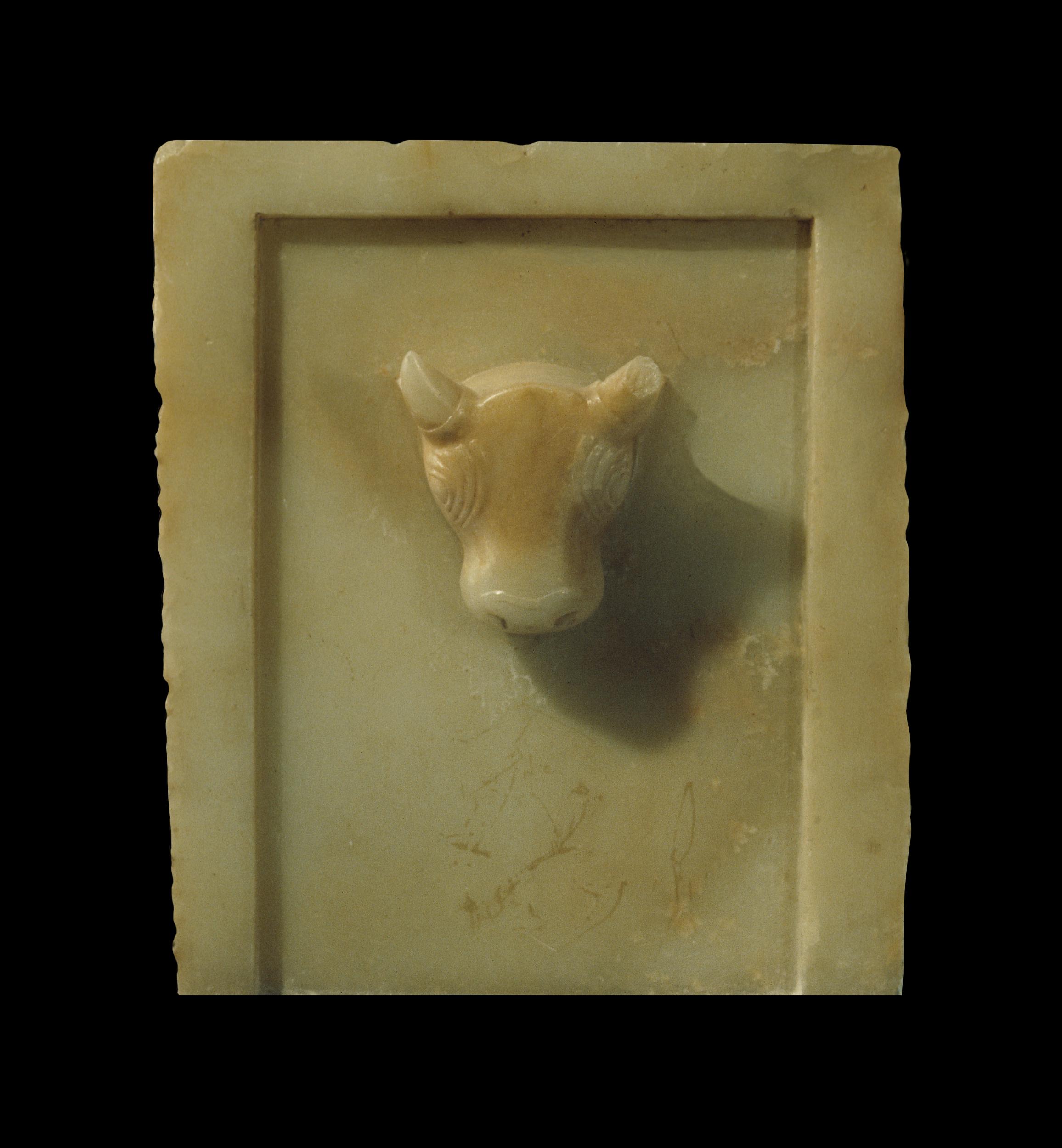
Tony (1927-2016) and his sister grew up in Nazi-occupied France, raised by their English nanny after their parents escaped to Aden in 1941. Tony began running errands for the Resistance, including stealing German weapons and equipment, and awaiting covert supply drops from Allied aircraft. This was a risky endeavour: once, his sister had to sit on a stolen German gun to hide it while their house was searched, and on another occasion, Tony was captured by an Italian officer, who set him free due to his youth and the fact the officer had known Tony’s father in Somalia. Tony was even expelled from school for standing up and shouting at the Headmaster, who was a supporter of the Vichy regime. After the war, Tony began working for the family business but found he was unsuited to the comforts of office life. He soon left for New York, where he made his living as a taxi driver.
After his father’s death in 1951, Tony returned to Aden and took over A. Besse & Co.. This is when he met Christiane, a journalist and writer working in Yemen at the time. Christiane is best known for her work on television series ‘Jamais sans mon livre’, and the 1990 film ‘La légende de Joseph en Égypte’, and was the first to translate the works of William Boyd, James Baldwin, and others, into French. She and Tony were married in 1957 and lived together in Aden for the following years. During this period, the couple expanded their antiquities collection. Tony would frequently dive with Jacques Cousteau in the early days of sub-aqua, and gather Greek and Roman treasures off the Turkish coast.
Wise Predictions
According to the Besse’s children, Antonin Louis and Joy-Isabella, Christiane is the reason that the collection can now take its rightful place within renowned museum and private collections. It seems that Christiane’s intelligence and uncanny foresight predicted the necessity of official documentation to confirm provenance, well before it was a common practice. After her death, Antonin and Joy-Isabella discovered that she had procured export certificates for each object in the collection from the Aden government in the early 1960s – a level of documentation that was highly unusual for the time. These documents saved the collection during the events of the Aden Emergency, allowing the Besse collection to reach safe harbour with the children in Europe.
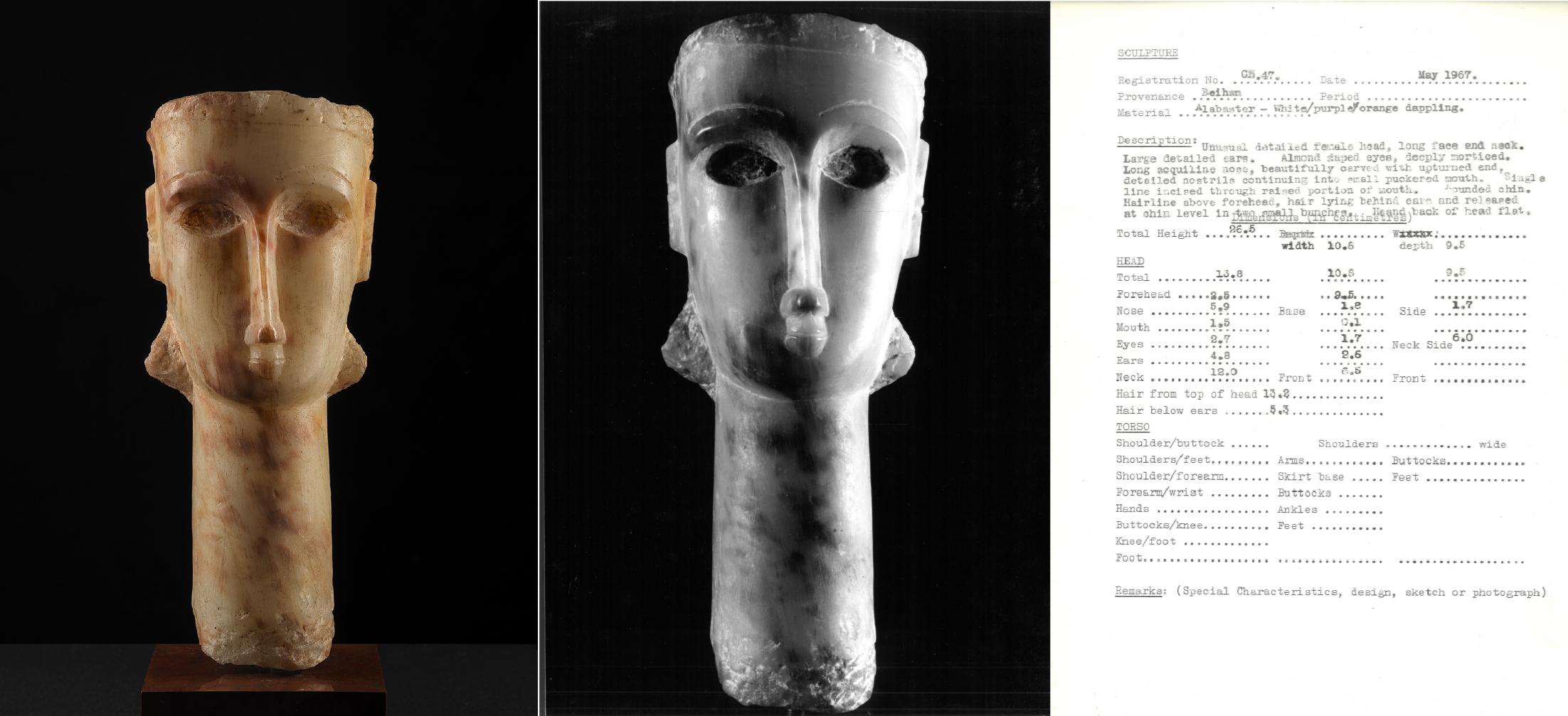 South Arabian Head of a Woman 3rd Century B.C. – 1st Century A.D., Qataban. Image: David Brunetti. May 1967 record of export, Department of Antiquities, Aden State
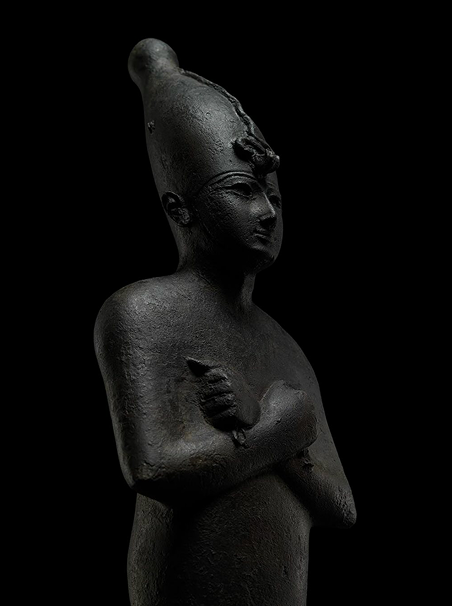
Tony and Christiane moved to Beirut, where they continued to follow their passion for antiquities. They collected diversely, acquiring alabaster bulls and busts alongside delicate Roman glass, small bronze animals, marble statues of goddesses, and Byzantine mosaics. When the civil war began in Lebanon in 1975, the couple left the Middle East and ceased adding new items to their collection.
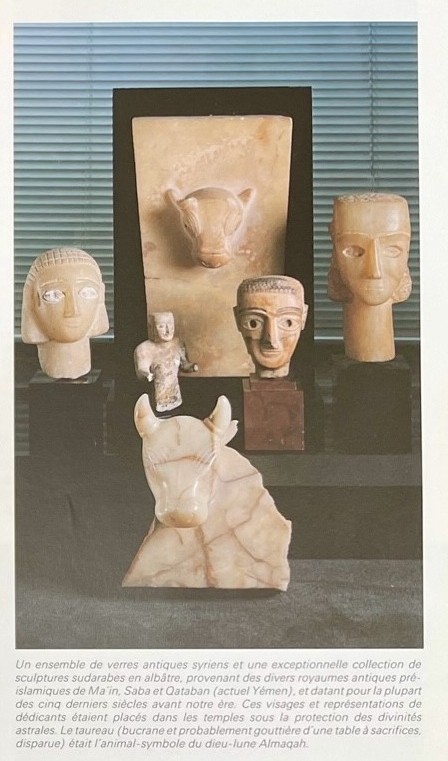
Photo of South Arabian antiquities in the Besse’s apartment, L’Œil, January 1990.
A Lasting Legacy
In an ever-changing landscape of international regulations and increasing requirements for provenance documentation, Christiane’s careful planning will allow items from the Besse collection to continue to travel freely for many years to come. As the couple were responsible for excavating many of their objects, the documents provide the current Holy Grail of provenance – a record of legal export from their country of origin. For the vast majority of antiquities, many of which were traded internationally when they were first made thousands of years ago, this kind of documentation is an effective impossibility. The Besse collection is, therefore, unique in its incredibly secure provenance.
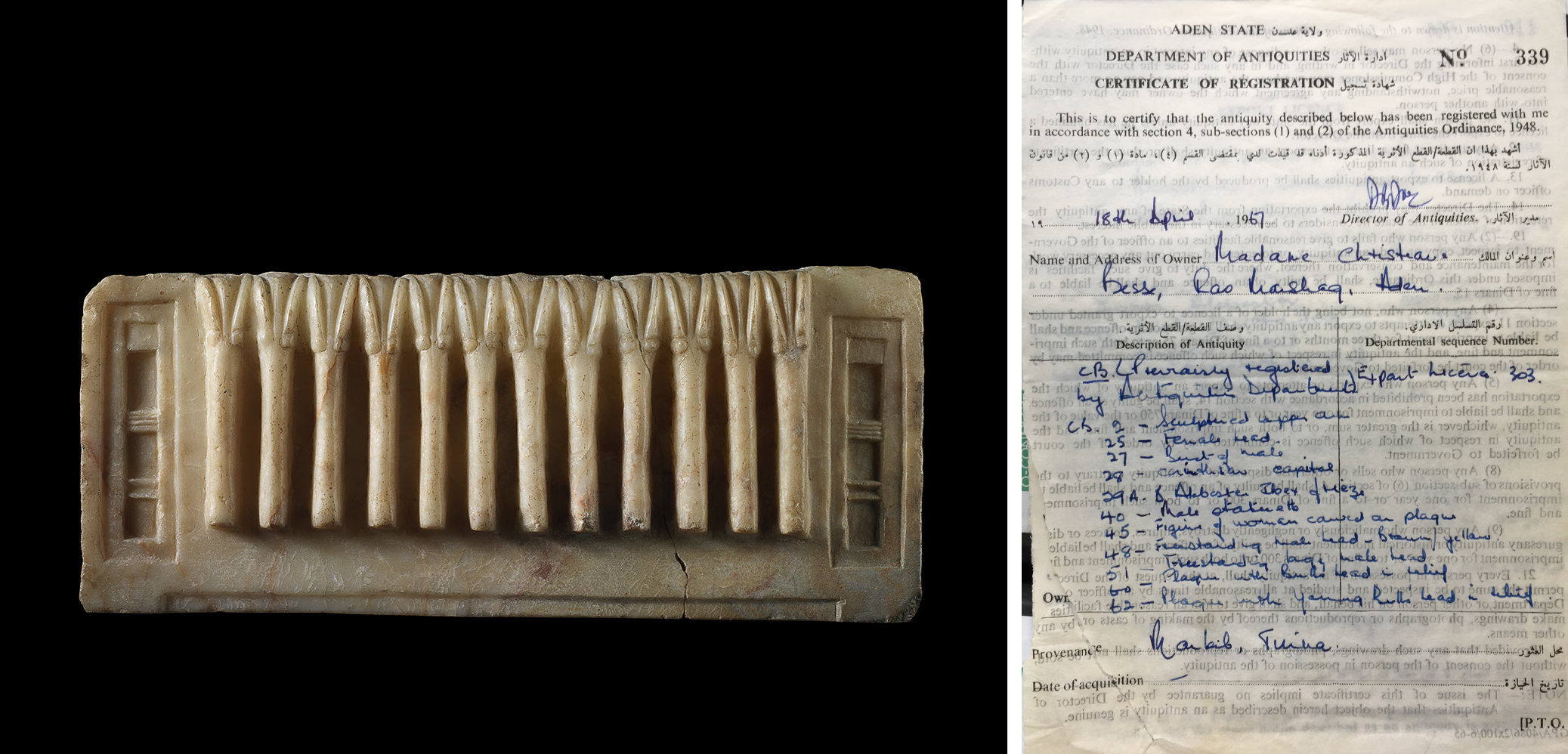 Ibex Frieze, 3rd Century B.C.-1st Century A.D., Qataban.Image: David Brunetti.18 April 1967 Aden State Department of Antiquities Certificate of Registration
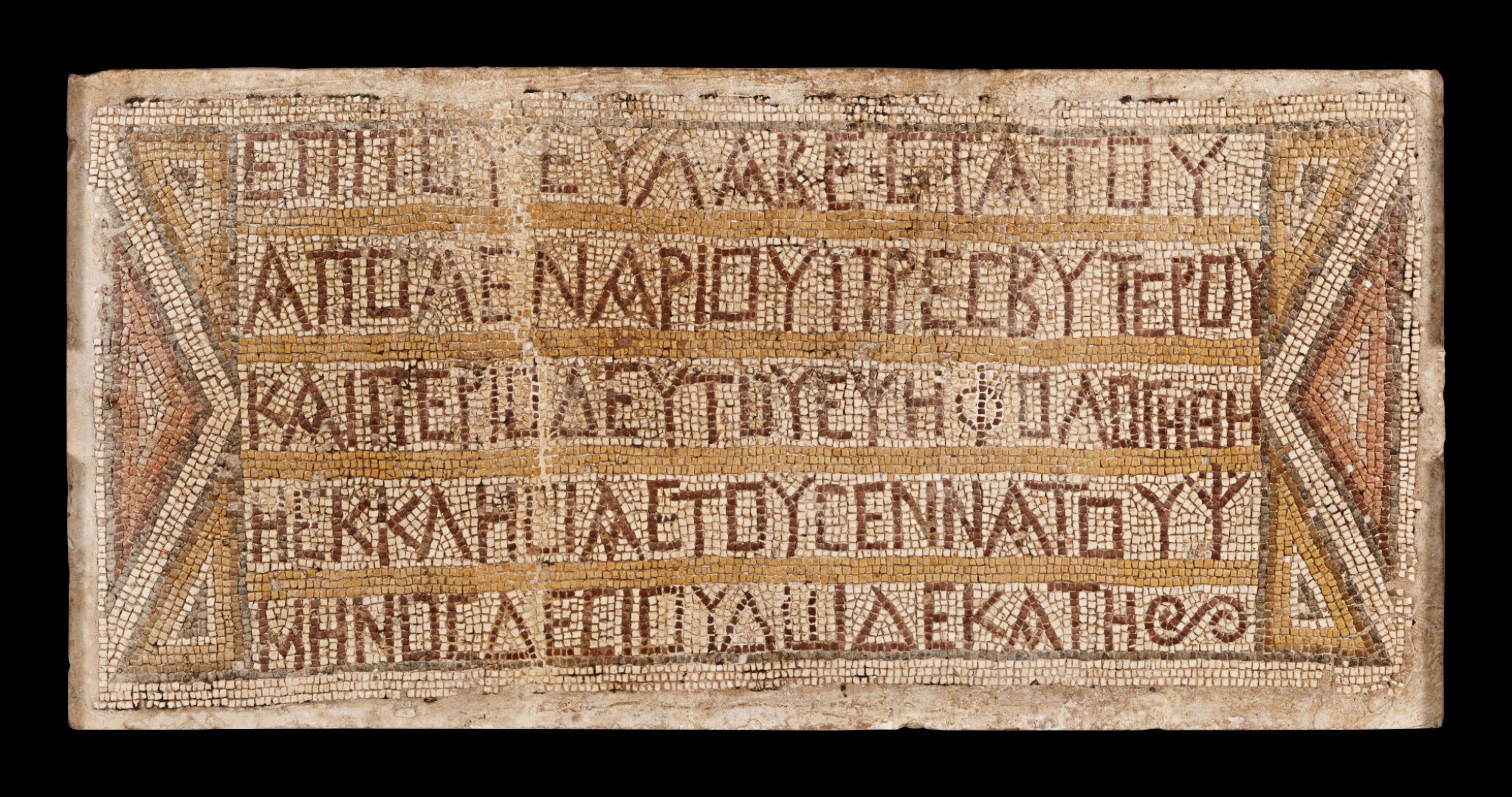 Byzantine Mosaic Panel . Circa late 4th Century A.D., possibly near Antioch. Image: David Brunetti
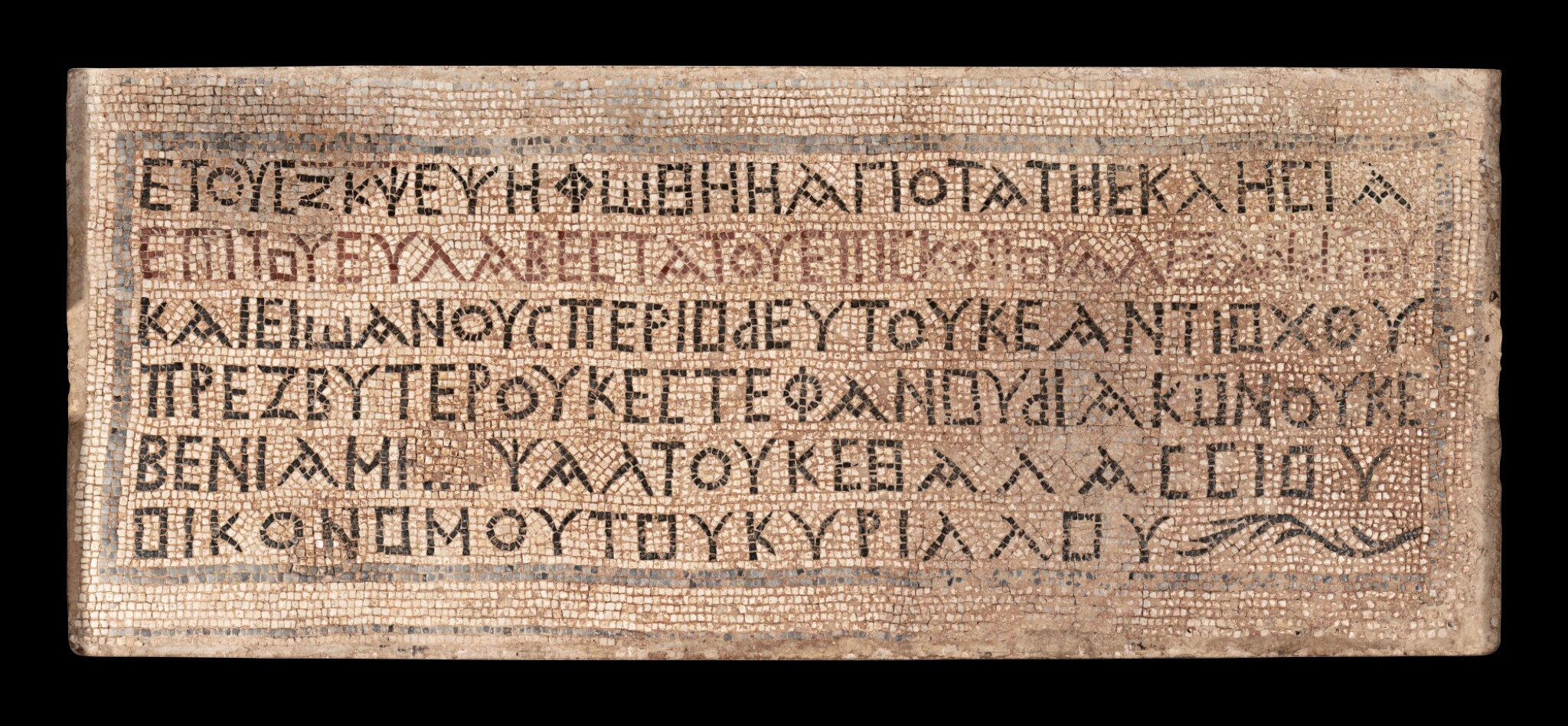 Byzantine Mosaic Panel. Circa Early 5th Century A.D., possibly Antioch or Apamene. Image: David Brunetti
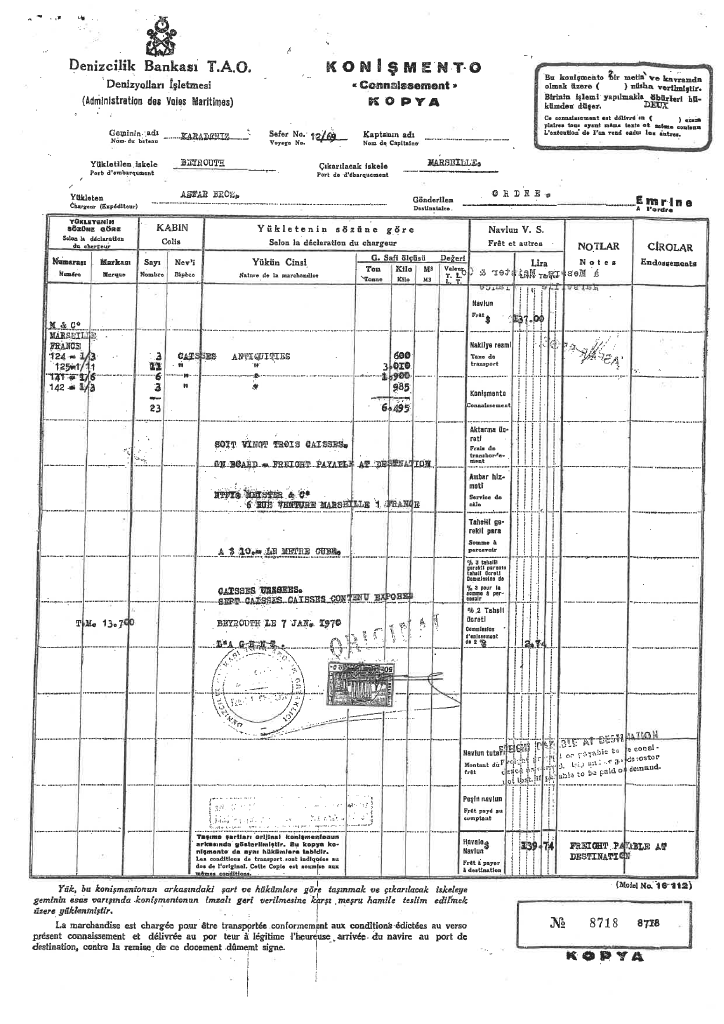
Shipping documents for transporting mosaics from Beirut to Marseille, dated January 1970
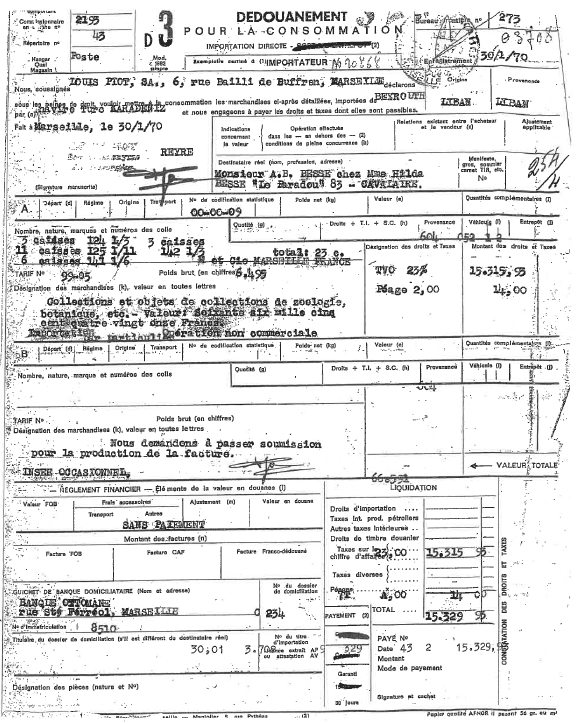
Shipping documents for transporting mosaics from Beirut to Marseille, dated January 1970



 Where to find us?
 Newsletter
 Instagram
 Linked in
 Email
Email