Journal
Published 5/8/2025
Published 5/6/2025
Published 5/7/2025
Published 5/8/2025
Published 5/16/2025
Published 5/27/2025
Published 6/25/2025
Published 7/18/2025
Published 10/21/2025
Published 12/19/2025
Published 2/2/2026
Published 2/5/2026
Published 2/11/2026
Published 2/16/2026
Published 5/30/2025
Published 2/25/2026
Published 3/2/2026
Published 10/3/2022
Published 3/23/2026
Published 3/25/2026
Published 4/9/2026
Published 4/13/2026
Published 5/4/2020
Published 4/23/2026
Published 4/29/2026
Published 5/7/2026
Published 5/13/2026
Published 5/19/2026
Published 5/26/2026
Published 11/1/2024
Published 10/12/2022
Published 6/12/2026
Published 6/24/2026
Published 7/3/2026
Published 11/1/2023
Published 7/17/2026
Published 7/20/2026
Published 8/5/2025
Published 11/17/2022
Published 8/6/2026
Published 11/6/2025
Published 11/7/2024
Published 11/5/2024
Published 11/3/2024
Published 8/6/2020
Published 8/6/2020
Published 8/6/2026
Published 8/6/2026
Published 8/6/2026
Published 8/6/2026
Published 1/4/2026
Published 9/5/2024
Published 9/7/2021
Published 1/1/2025
Published 2/2/2025
Published 8/17/2026
Published 8/24/2026
Published 9/1/2026
Published 8/20/2026
Published 9/9/2026
Notable Sale: Illustrated Constantinople Costume Manuscript sold to major US museum
Published 01/10/2024

A cosmopolitan portrait of late 18th-Century Constantinople
Dating precisely to 1790 and produced in the imperial capital of Constantinople (now Istanbul), this manuscript provides a visual catalogue of the diverse societal fabric of the late Ottoman Empire. Comprising a manuscript title page and 67 original watercolour illustrations, the album opens with a formal half-length portrait of Sultan Abdul Hamid I, who reigned from 1774–1789, depicted in ceremonial dress and a bejewelled turban.
This representation is uniquely contextualised by two further portraits within the volume, one capturing the Sultan at a young age, and the other dated to 1789, the final year of his reign.
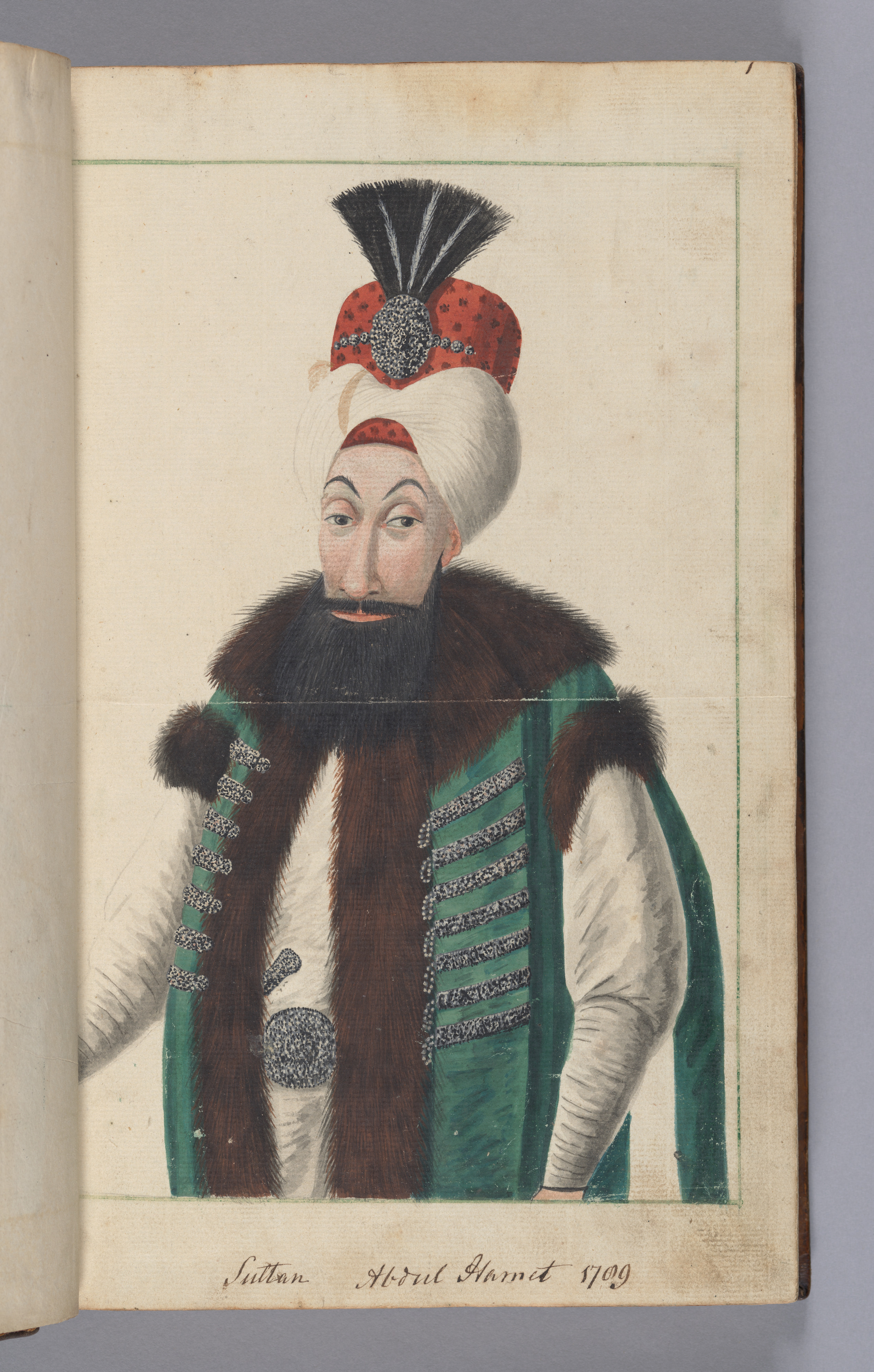
Illustrated Manuscript: ‘Costumi Turchi e Grechi fatti in Constantinopoli 1790’
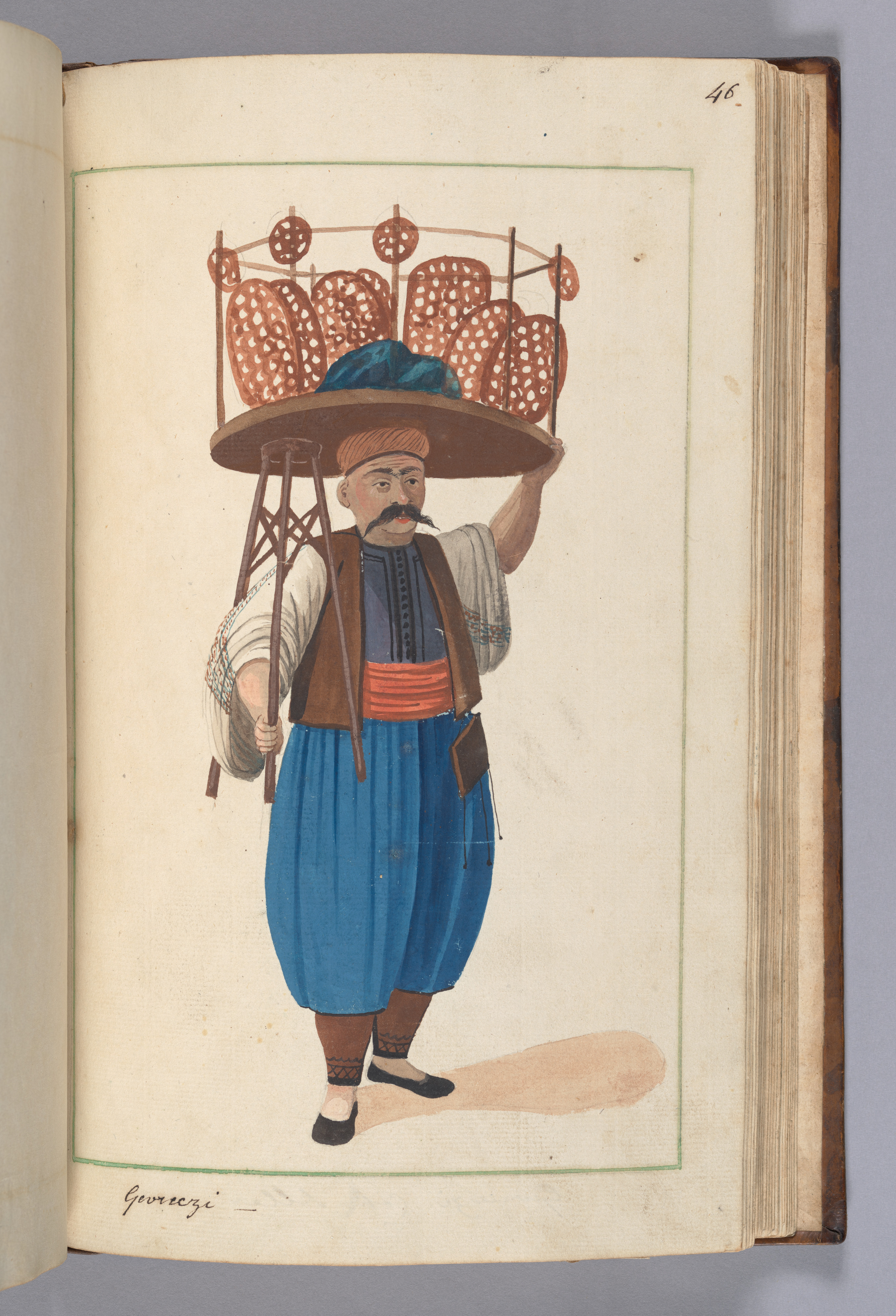
Illustrated Manuscript: ‘Costumi Turchi e Grechi fatti in Constantinopoli 1790’
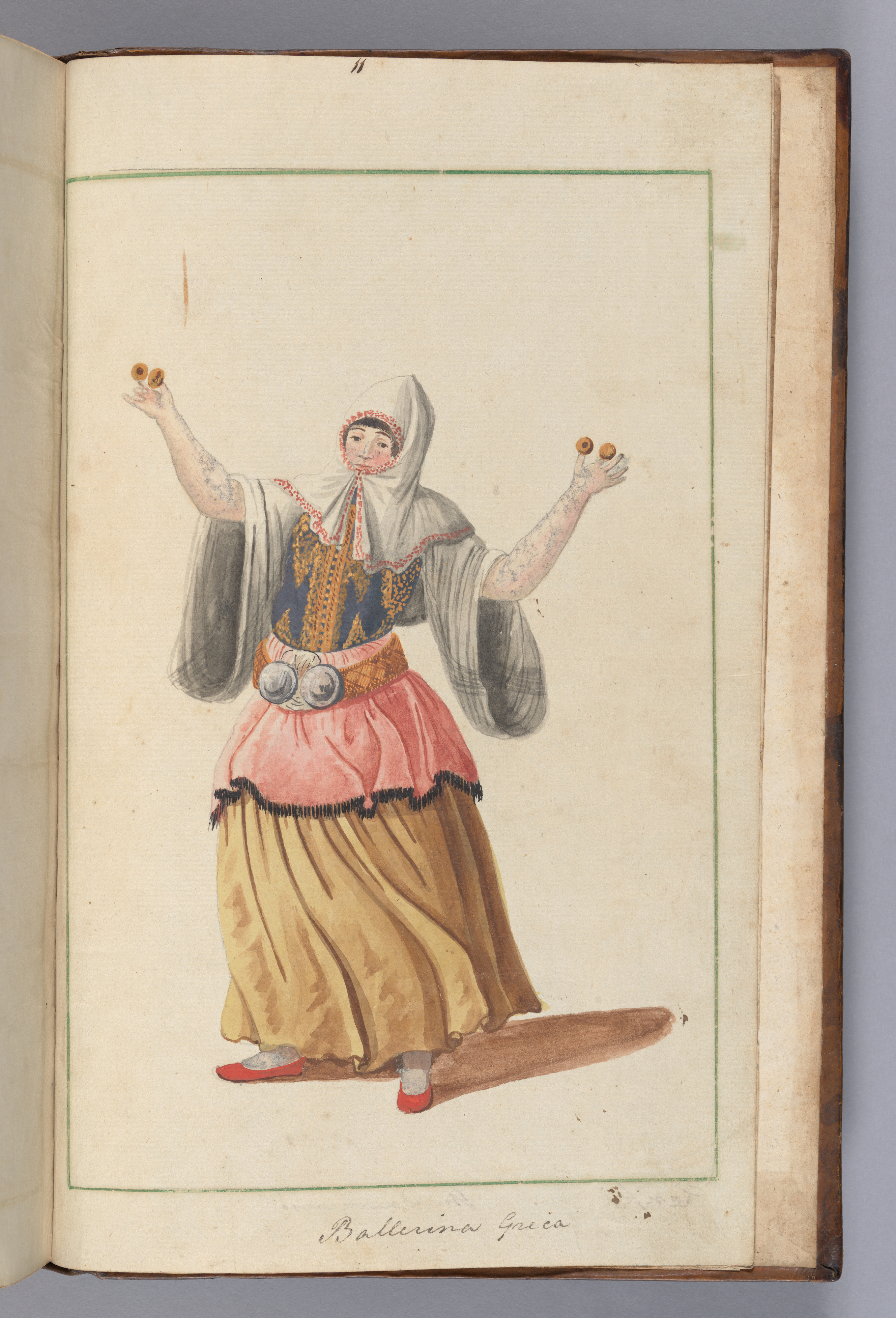
Illustrated Manuscript: ‘Costumi Turchi e Grechi fatti in Constantinopoli 1790’
Connoisseurship and attribution: The Studio of Konstantin Kapidagli
While the album’s creator is left formally anonymous, as is typical of the era's costume albums, a pivotal pencil inscription on the title page notes that the work was "Done by a Greek, self-taught". Stylistic analysis reveals an extraordinary provenance of artistic execution. The technical approach, brushwork, distinctive colour palettes and artistic style exhibit parallels with the famed Ottoman costume album preserved in the Victoria and Albert Museum (inv. no. D.92-1895), which is similarly attributed to an unnamed Greek artist, believed to have been part of the studio or circle of Ottoman Greek court painter Konstantin Kapidagli.
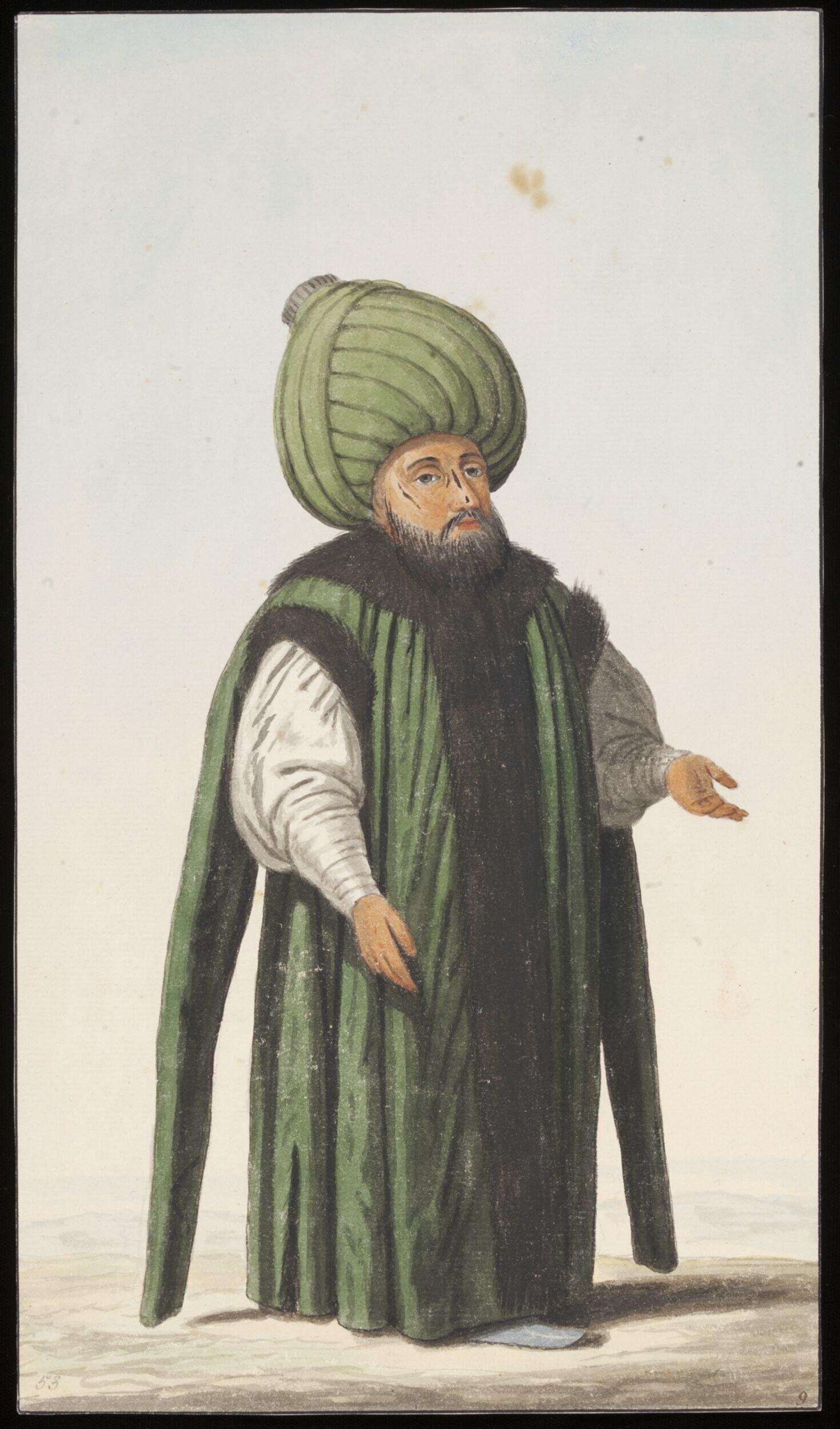
A senior Ottoman official, about 1809 (Painted), © Victoria and Albert Museum, London
As in Ottoman painted books, the images of this album are rendered in brightly coloured opaque watercolour with ample touches of gold and silver on thick paper. The slightly more restrained hand seen in this manuscript, which was executed ten years prior to the V&A album, indicates a more mature and confident hand, which however, maintains the same technique.
Diplomatic networks and provenance
The genesis of costume albums is tied to the history of early modern diplomacy and the trans-imperial networks traversing the eastern Mediterranean. Foreign emissaries and diplomatic visitors frequently commissioned local studios to document the visual realities of the places they visited, serving either as personal keepsakes or as formal diplomatic gifts. This specific manuscript aligns closely with other diplomatic volumes of the era, such as the Costumes Turcs in the British Museum (inv. no. 1974 0617 0120), commissioned by the Prussian ambassador Heinrich Friedrich von Diez during his posting in Istanbul between 1784 and 1790.
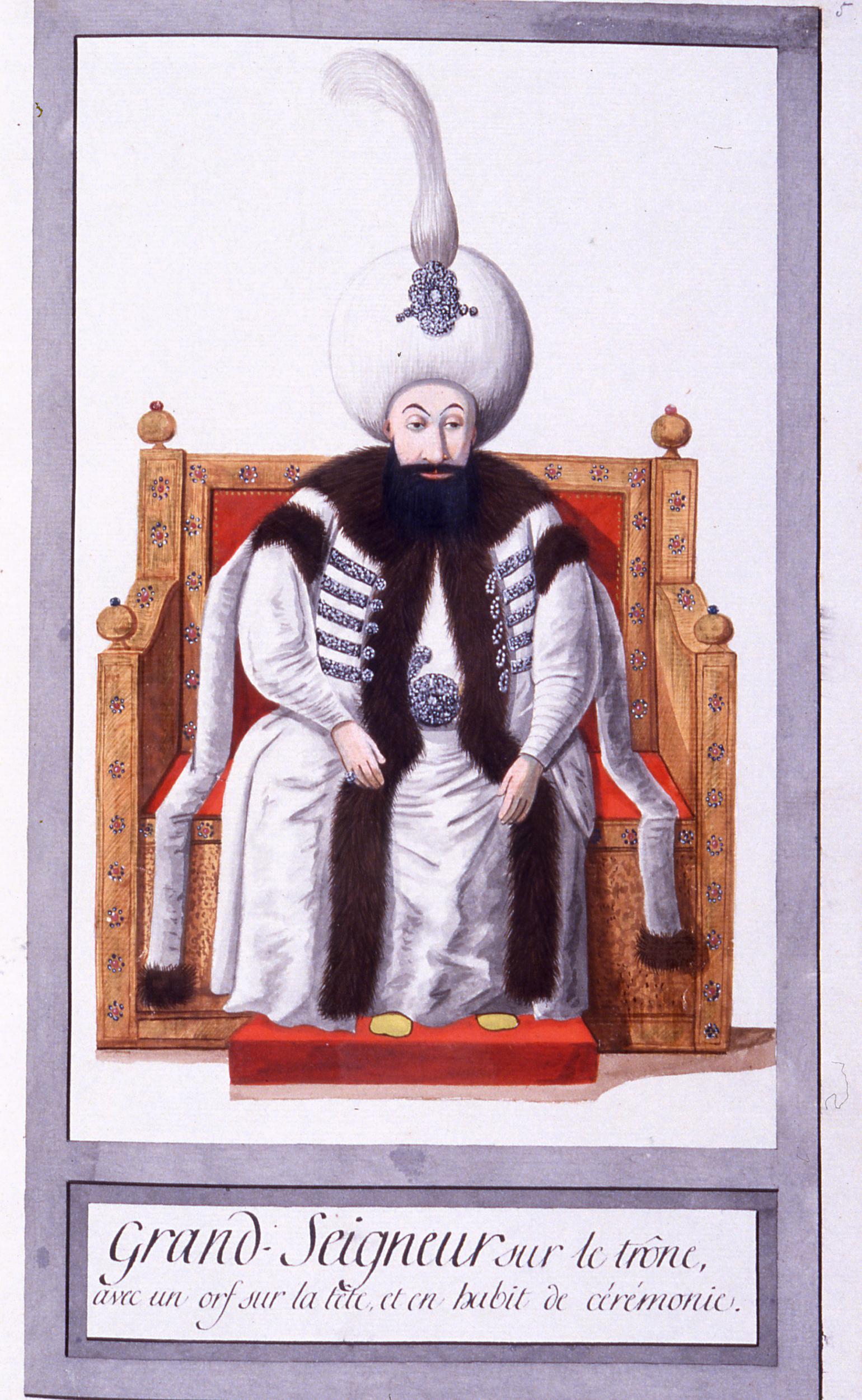
Costumes Turcs c 1790, © The Trustees of the British Museum
Distinguished provenance
In the modern era, Costumi Turchi e Grechi fatti in Constantinopoli 1790 formed a distinguished part of the celebrated library of Henry Rogers Broughton, 2nd Baron Fairhaven. The Fairhaven collection, built upon a spectacular family legacy tracing back to the American Standard Oil fortune and anchored at the historic Anglesey Abbey estate, was internationally renowned for its peerless standard of botanical art, illustrated manuscripts, and rare bindings. Bound in contemporary tree calf, the physical book remains a masterpiece of late 18th-century bookbinding craftsmanship.
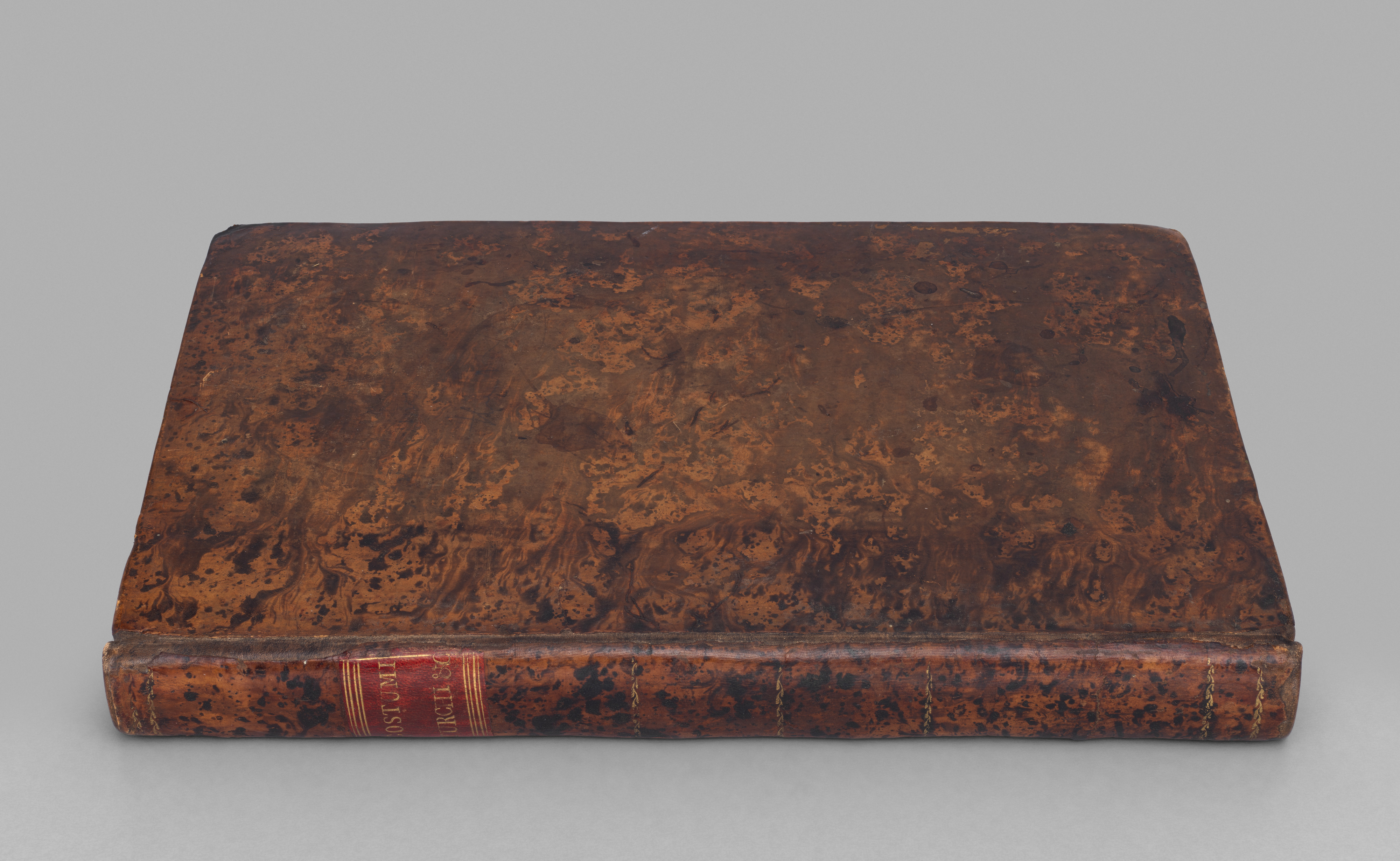
Institutional Legacy
The placement of this manuscript with a premier global institution ensures its preservation and guarantees that its synthesis of Ottoman courtly culture, European artistic conventions, and craftsmanship will continue to instruct and inspire scholars for generations to come.



 Where to find us?
 Newsletter
 Instagram
 Linked in
 Email
Email