Journal
Published 5/8/2025
Published 5/6/2025
Published 5/7/2025
Published 5/8/2025
Published 5/16/2025
Published 5/27/2025
Published 6/25/2025
Published 7/18/2025
Published 10/21/2025
Published 12/19/2025
Published 2/2/2026
Published 2/5/2026
Published 2/11/2026
Published 2/16/2026
Published 5/30/2025
Published 2/25/2026
Published 3/2/2026
Published 10/3/2022
Published 3/23/2026
Published 3/25/2026
Published 4/9/2026
Published 4/13/2026
Published 5/4/2020
Published 4/23/2026
Published 4/29/2026
Published 5/7/2026
Published 5/19/2026
Published 5/26/2026
Published 11/1/2024
Published 10/12/2022
Published 6/12/2026
Published 10/1/2024
Published 6/24/2026
Published 7/3/2026
Published 11/1/2023
Published 7/17/2026
Published 7/20/2026
Published 8/5/2025
Published 11/17/2022
Published 8/6/2026
Published 11/6/2025
Published 11/7/2024
Published 11/5/2024
Published 11/3/2024
Published 8/6/2020
Published 8/6/2020
Published 8/6/2026
Published 8/6/2026
Published 8/6/2026
Published 8/6/2026
Published 1/4/2026
Published 9/5/2024
Published 9/7/2021
Published 1/1/2025
Published 2/2/2025
Published 8/17/2026
Published 8/24/2026
Published 9/1/2026
Published 8/20/2026
Published 9/9/2026
Prehistoric titans: ‘Juliasaurus’ in dialogue with market giants
Published 13/05/2026

These prehistoric wonders now command prices that rival some of the world’s most celebrated works of art, evolving into a blue-chip collecting category.
While names such as Sue and Stan have dominated discourse over recent decades, a new specimen from David Aaron has entered the conversation - ‘Juliasaurus’, a spectacular Late Jurassic predator comparable to these market marvels in both rarity and scientific significance.
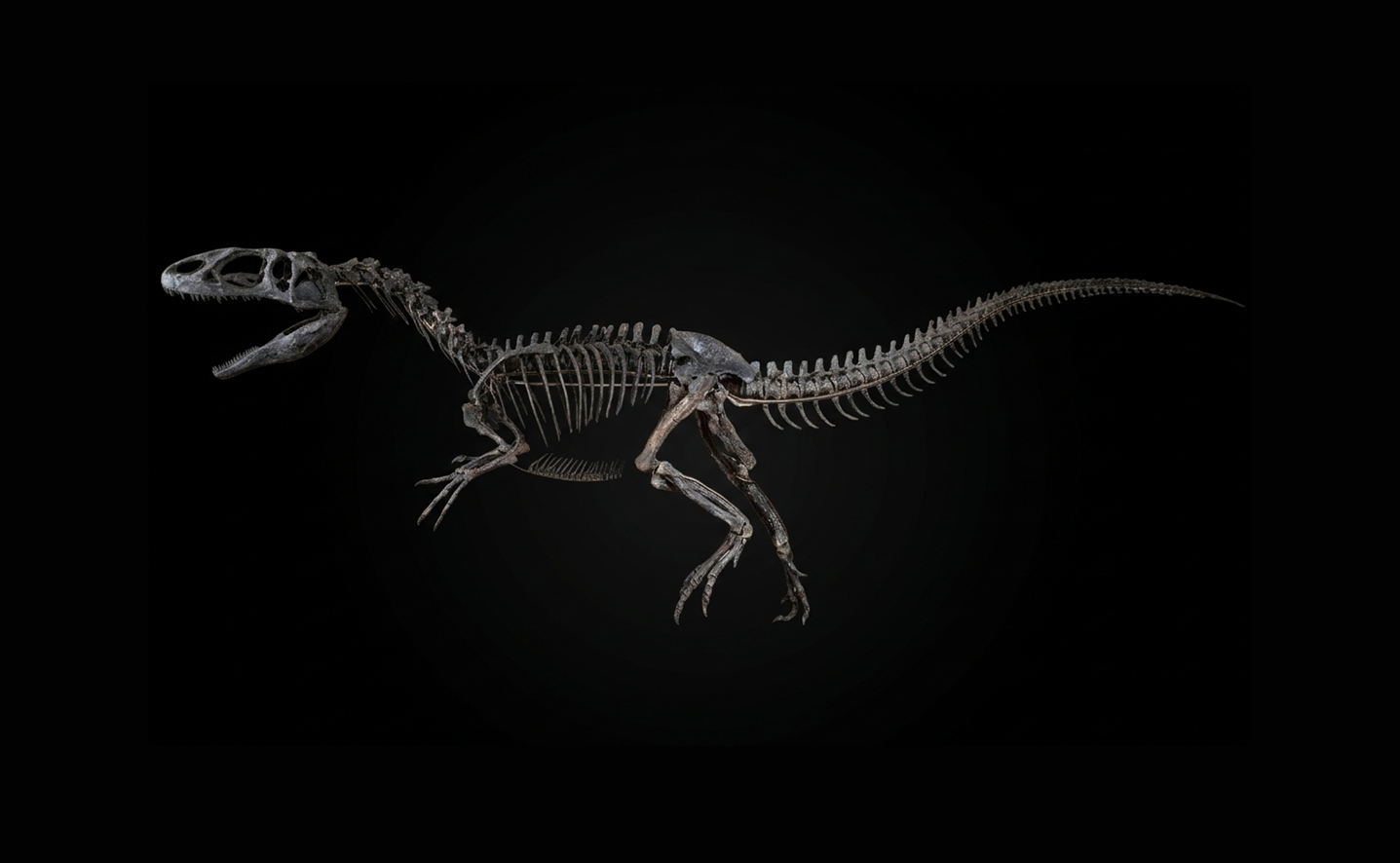 ‘Juliasaurus’, Late Jurassic Period (154-142 million years ago). Image courtesy David Aaron gallery
The Evolution of the market
What was once considered an area of interest reserved for experts in the field of palaeontology and dinosaur enthusiasts, dinosaur fossils burst onto the auction scene in 1997 with a landmark sale that would go on to change the fossil landscape forevermore.
Milestone moments that have shaped the dinosaur fossil landscape in recent decades include:
‘Sue’ the Tyrannosaurus Rex: Sold in 1997 for US$8.3 million, ‘Sue’ was the catalyst for the fossil market stamping its mark on the global auction and collecting industry. This specimen proved that fossils with high degrees of completeness and credible provenance could command seven-figure prices, establishing natural history as a premier asset class. 'Sue' was purchased by the Field Museum in Chicago, along with a consortium of supporters, and remains on permanent display at the museum to this day.
Auctioned just four years after the hit film Jurassic popularised dinosaurs in mass media, ‘Sue’ was the starting point for the booming fossil market witnessed today.
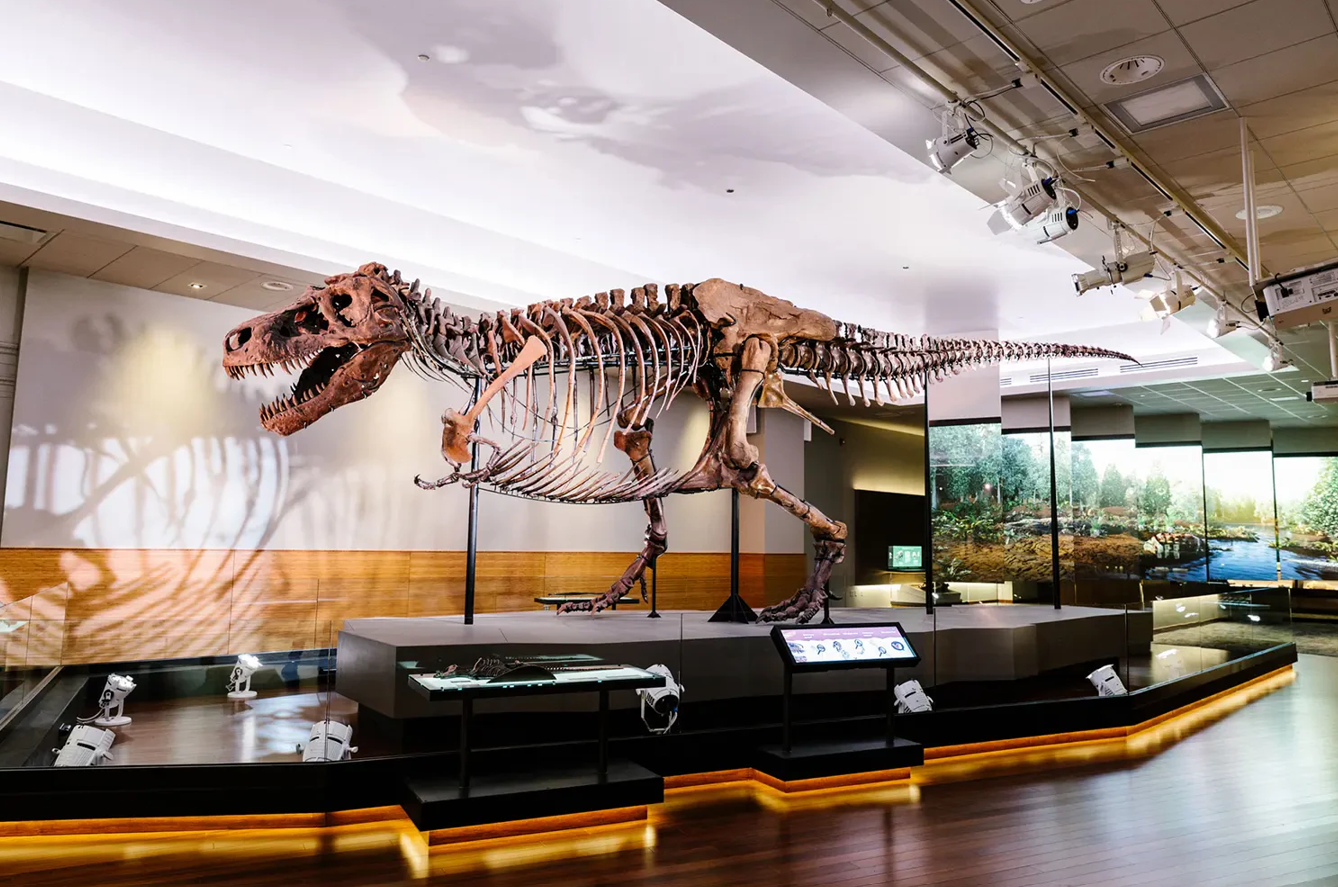 ‘Sue’ the Tyrannosaurus Rex. Image credit: © Field Museum
 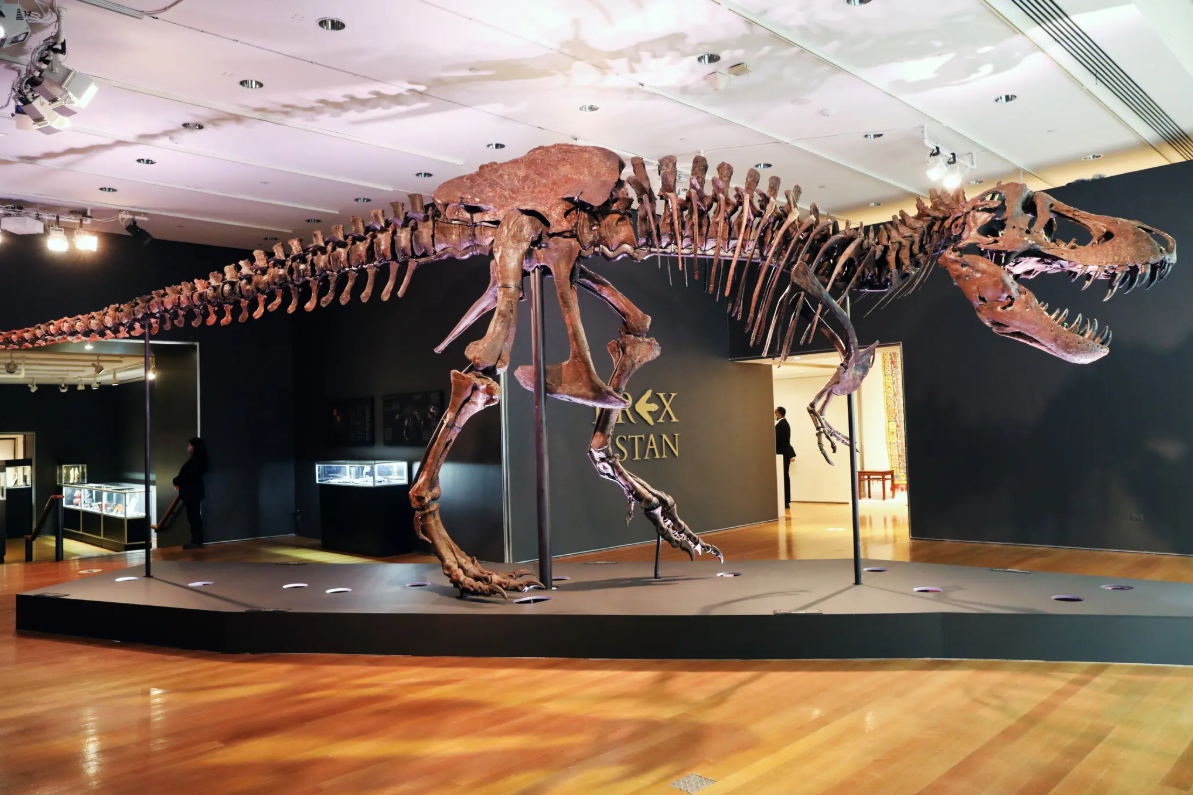 ‘Stan’ the Tyrannosaurus Rex. Image credit: Spencer Platt/Getty Images
 Following the sale Griffin arranged for ‘Apex’ to go on display at the American Museum of Natural History on a multi-year loan. Griffin provided support for the display and research of the fossil, setting an example for how the philanthropic community can engage with the natural history sector.
The sale of ‘Apex’ redefined the pinnacle of the market, cementing the "blue-chip" status of dinosaur fossil collecting.
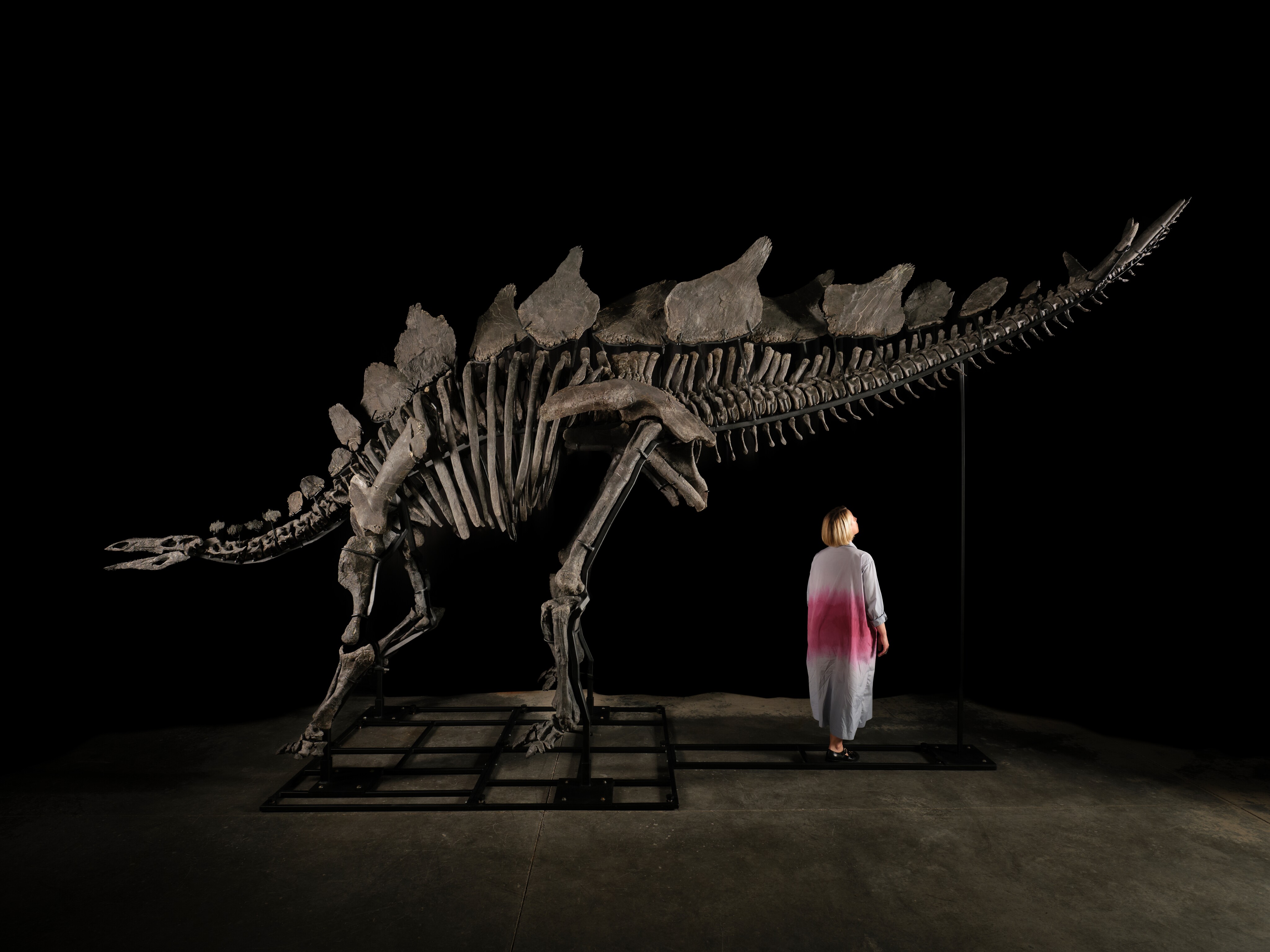 ‘Apex’ the Stegosaurus. Image credit: © Sotheby’s
 ‘Juliasaurus’: Rarity, completeness, and discovery
Unearthed in the renowned Morrison Formation of Wyoming in 2020, ‘Juliasaurus’ is a 154-million-year-old carnivorous theropod that holds the potential for scientific breakthrough. Standing at 6.2 meters long and weighing approximately 600 kilograms, this theropod predates its distant relative, the Tyrannosaurus Rex, by roughly 90 million years.
What places ‘Juliasaurus’ on par with specimens like Sue and Apex? A combination of factors:
Exceptional completeness - ‘Juliasaurus’ is a remarkably complete specimen, which is one of the primary drivers of value and scientific importance in the fossil market.
Potential for scientific discovery - Initial palaeontological analysis noted similarities to the Allosaurus or Marshosaurus species, however the unique anatomy of 'Juliasaurus’ suggests it may represent an entirely new dinosaur species or new genus of an existing species. Research to be undertaken during the presentation of ‘Juliasaurus’ at Hollytrees Museum aims to determine its exact place in the evolutionary tree of carnivorous dinosaurs.
Rigorous provenance - ‘Juliasaurus’ is accompanied by impeccable provenance documentation verifying the discovery location, preparation of the fossil and palaeontologist reports.
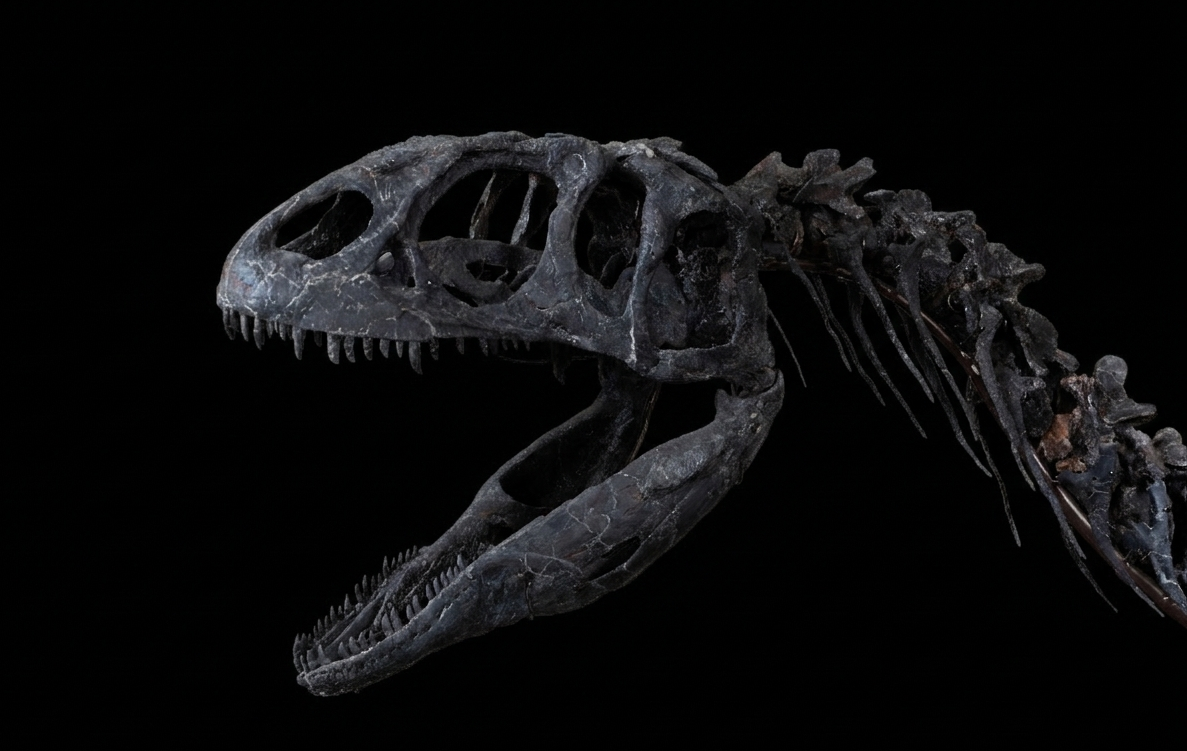 ‘Juliasaurus’, Late Jurassic Period (154-142 million years ago). Image courtesy David Aaron gallery
 Private collectors supporting public science
Through the sale and subsequent public display of ‘Juliasaurus’, among other specimens, David Aaron has championed a model where private acquisition supports public collections, display and discovery. Upon acquiring ‘Juliasaurus’ the owner made it clear that they would like the fossil to be displayed and made available for research purposes.
‘Juliasaurus’ is now on display at the Hollytrees Museum in Colchester, UK, where it will remain through November 2027.
The partnership allows for the first-ever scientific research to be undertaken on the fossil. As ‘Juliasaurus’ undergoes further study over the coming years we await to see if the specimen will mark the next breakthrough in our understanding of the prehistoric world.
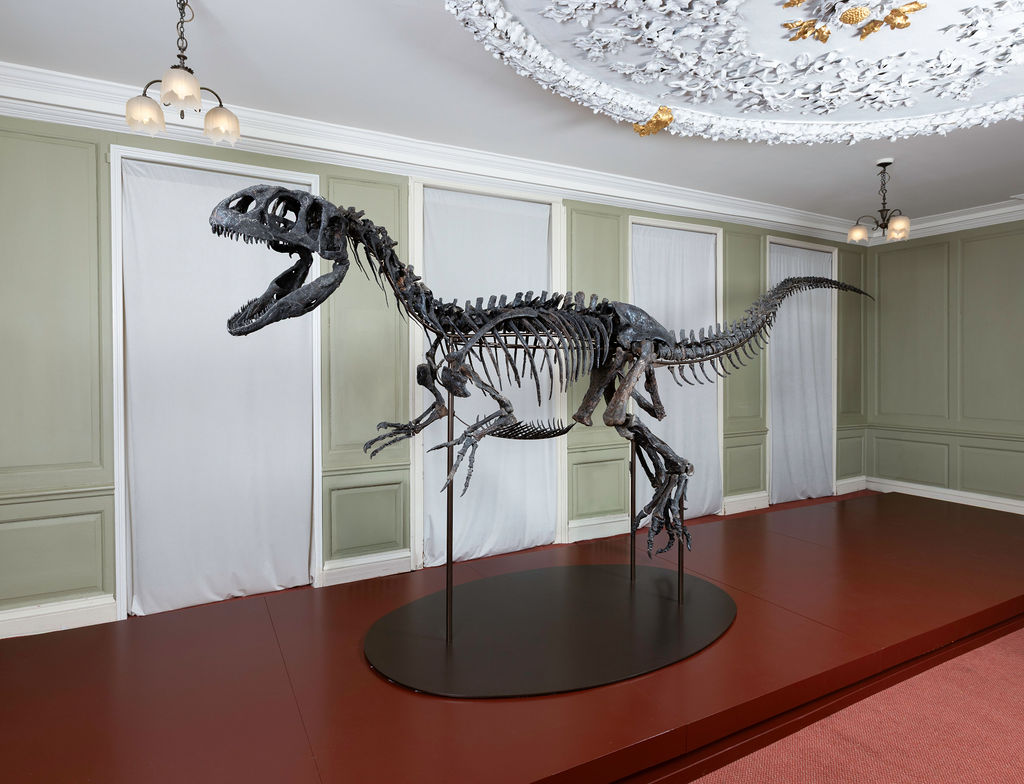 ‘Juliasaurus’, Late Jurassic Period (154-142 million years ago). Image: David Owens, courtesy David Aaron gallery


 Where to find us?
 Newsletter
 Instagram
 Linked in
 Email
Email