Journal
Published 5/8/2025
Published 5/6/2025
Published 5/7/2025
Published 5/8/2025
Published 5/16/2025
Published 5/27/2025
Published 6/25/2025
Published 7/18/2025
Published 10/21/2025
Published 12/19/2025
Published 2/2/2026
Published 2/5/2026
Published 2/11/2026
Published 2/16/2026
Published 5/30/2025
Published 2/25/2026
Published 3/2/2026
Published 10/3/2022
Published 3/23/2026
Published 3/25/2026
Published 4/9/2026
Published 4/13/2026
Published 5/4/2020
Published 4/29/2026
Published 5/7/2026
Published 5/13/2026
Published 5/19/2026
Published 5/26/2026
Published 11/1/2024
Published 10/12/2022
Published 6/12/2026
Published 10/1/2024
Published 6/24/2026
Published 7/3/2026
Published 11/1/2023
Published 7/17/2026
Published 7/20/2026
Published 8/5/2025
Published 11/17/2022
Published 8/6/2026
Published 11/6/2025
Published 11/7/2024
Published 11/5/2024
Published 11/3/2024
Published 8/6/2020
Published 8/6/2020
Published 8/6/2026
Published 8/6/2026
Published 8/6/2026
Published 8/6/2026
Published 1/4/2026
Published 9/5/2024
Published 9/7/2021
Published 1/1/2025
Published 2/2/2025
Published 8/17/2026
Published 8/24/2026
Published 9/1/2026
Published 8/20/2026
Published 9/9/2026
TEFAF New York highlight: Power, Prophecy, and the Legacy of Thutmose IV
Published 23/04/2026

A King in stone
The finely carved limestone stele depicts the pharaoh with arms extended bearing offerings of plants and sporting the uraeus serpent, symbol of sovereignty, on his brow. Receiving the offerings is the god Atum, wearing the double crown of Upper and Lower Egypt, or pschent, while holding an ankh and the was sceptre - symbols of life and divine authority. Atum's name is inscribed in hieroglyphs above him.
Above the scene, hieroglyphs assert identity and legitimacy, displaying the king’s prenomen (throne name), Menkkheperure, in a cartouche. Crowning the scene, a winged sun disc stretches protectively over the composition.
The remarkably well-preserved stele is rich in royal iconography and religious meaning, acting as a devotional monument to assert the pharaoh’s legitimacy and close relationship with the gods.
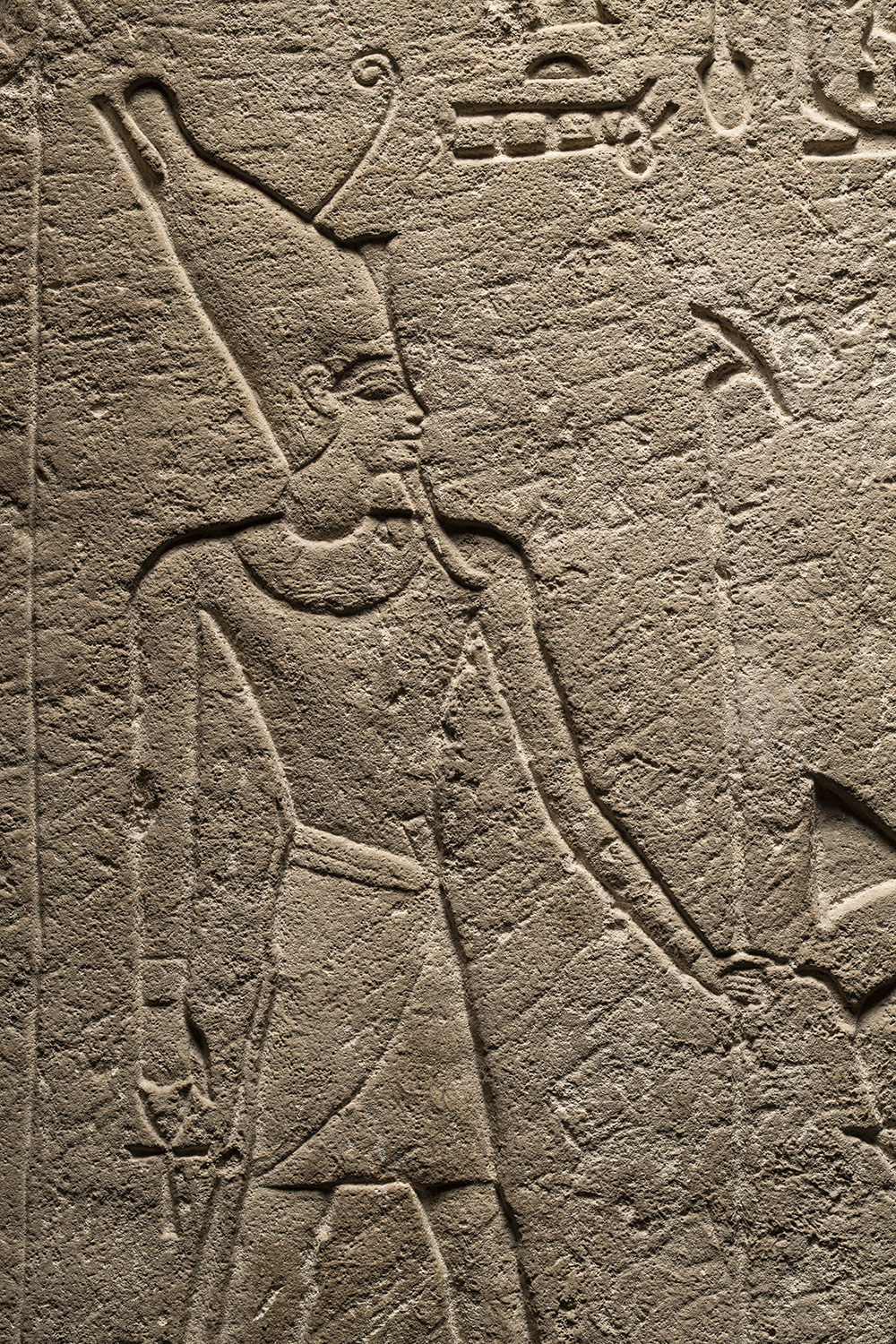
Stele of Thutmose IV, C. 1401-1391 B.C., Image: David Brunetti
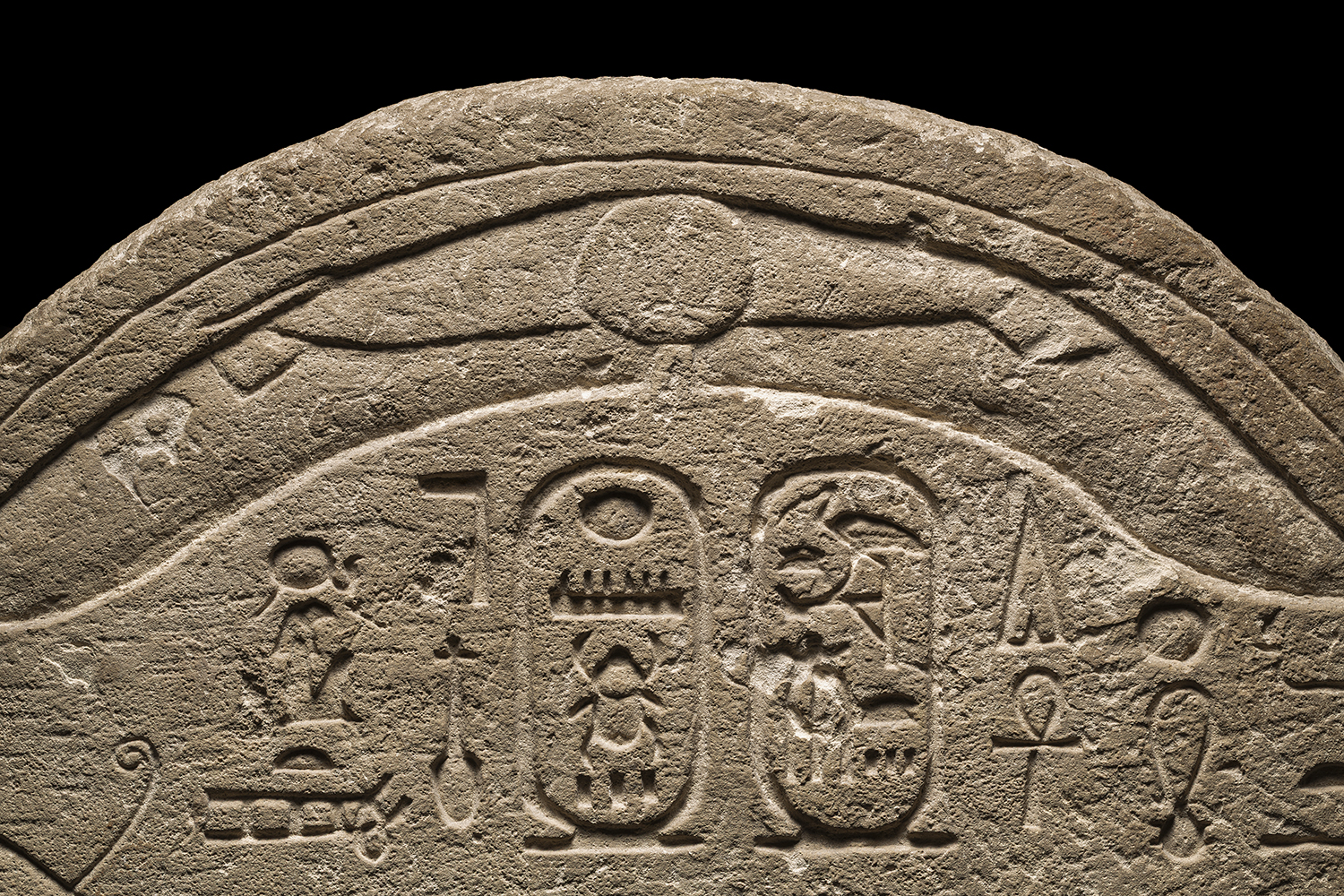 Stele of Thutmose IV, C. 1401-1391 B.C., Image: David Brunetti
 The dream that made a pharaoh
Thutmose IV was not the chosen successor of his father, Amenhotep II. His solution? A narrative of divine destiny.
Thutmose IV is most famous for restoring the Great Sphinx of Giza and creating the Dream Stele, a substantial stele that was placed between the paws of the Great Sphinx, where it remains to this day. The story told by the Dream Stele explains that while hunting as a young prince, Thutmose fell asleep in the monument’s shadow. The Sphinx then appeared in his dream, promising him the crown if he cleared the desert sands that were burying the monument. Thutmose IV proceeded to clear the Sphinx of sand and subsequently ascended the throne.
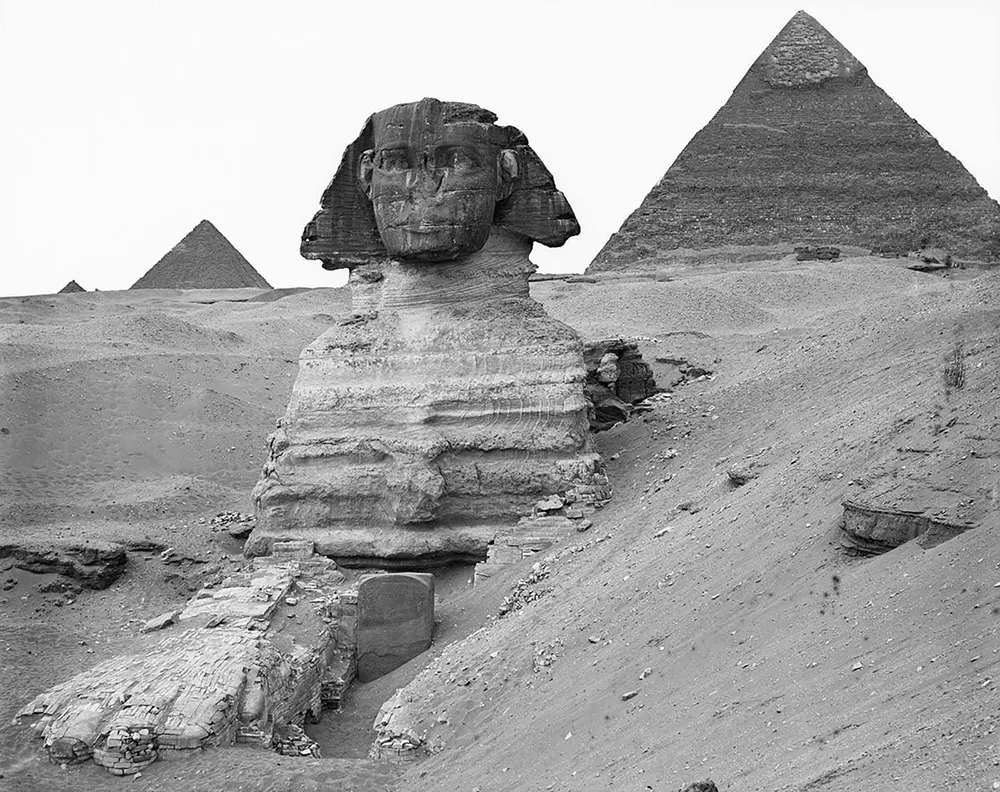
Late 19th century photograph - Pyramid and Sphinx, Egypt.
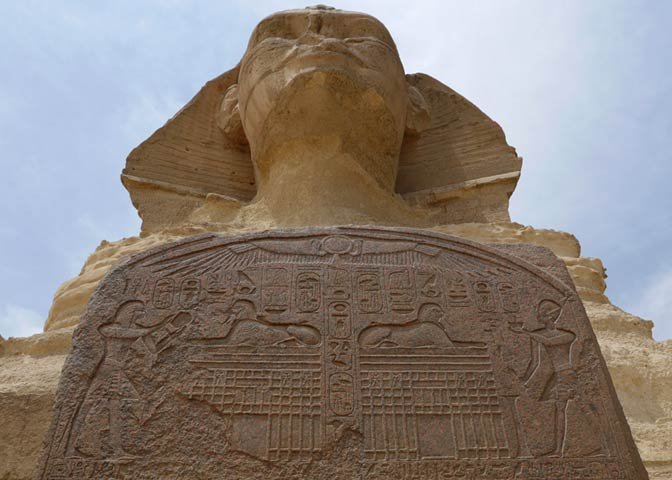
Dream Stele, © Mark Bussell/Providence Pictures
Building peace and monuments
Despite his dramatic rise to power, Thutmose IV’s reign was defined by stability. He was a master diplomat, securing a historic peace treaty with the Mitanni empire by marrying a Mitannian princess.
He also left his mark architecturally. At the vast temple complex of Temple of Karnak, Thutmose completed a towering obelisk—the largest ever erected in Egypt. He also constructed a unique chapel and peristyle building on the eastern walls of the main Karnak temple building as a space for the public to pray to the god Amun.
From Cairo to Canada: An unusual journey
The stele to be presented at TEFAF has a provenance as colourful as its subject. In 1964, it was presented to Ben Weider - the co-founder of the International Federation of BodyBuilders and a pioneering figure of the sport - by the United Arab Republic of Bodybuilding Federation in recognition of his ‘work in popularising bodybuilding in the Middle East’.
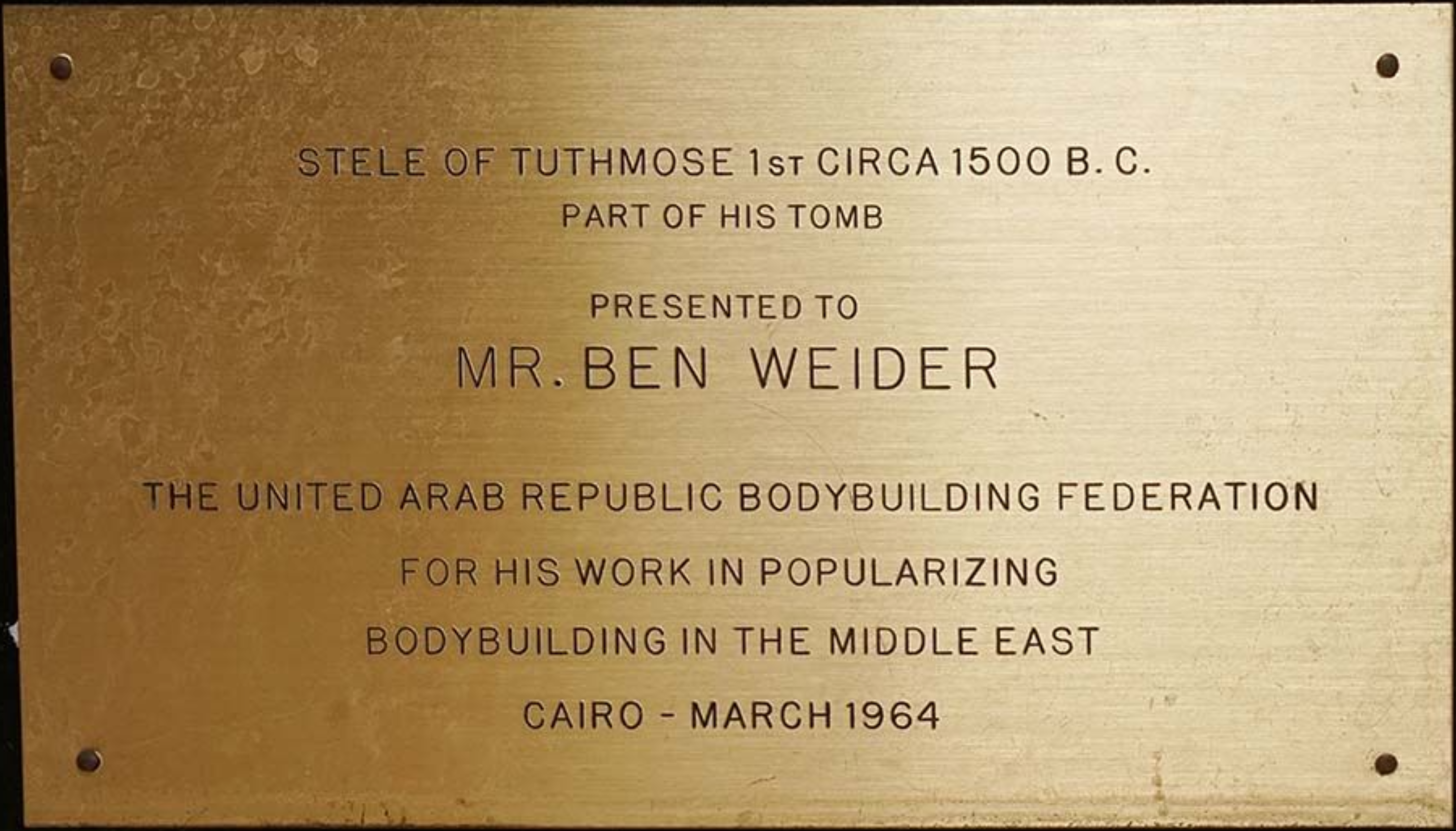
Plaque presented to Ben Weider by the United Arab Republic of Bodybuilding Federation
Driven by a passion for sport and history
Weider rose to prominence alongside his brother Joe, building a fitness and publishing empire which led to the establishment of the Mr Olympia bodybuilding competition, and lobbying for the sport to be recognised as professional.
Bodybuilding was propelled further into the spotlight in 1968, when Weider brought the then-unknown Austrian bodybuilder Arnold Schwarzenegger to the United States to compete in Mr Olympia, casting both Schwarzenegger and the competition into the limelight.
Weider was passionate about history and culture and was well known as a Napoleonic historian, publishing books on the subject. He was also an admirer of Egyptian culture, visiting the country on his first international trip in 1948.
The achievements of Weider and his brother were the subject of a 2018 biopic, Bigger, which dramatised the brother’s story.
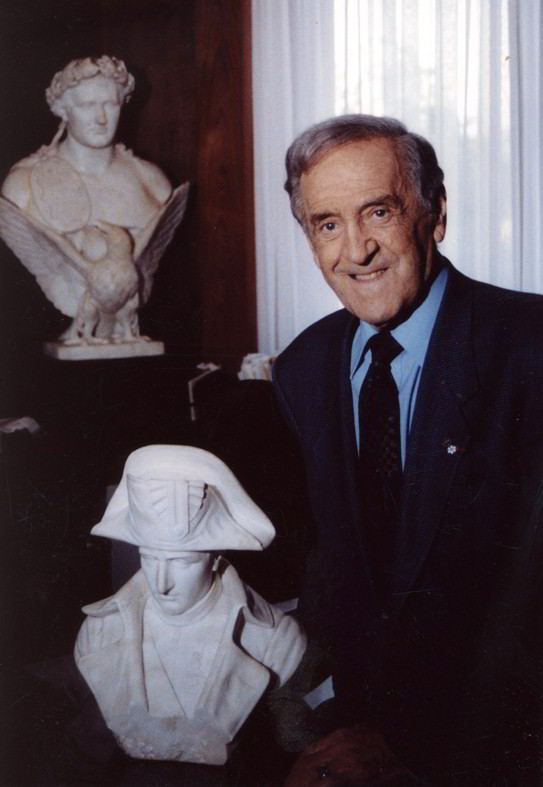
Ben Weider
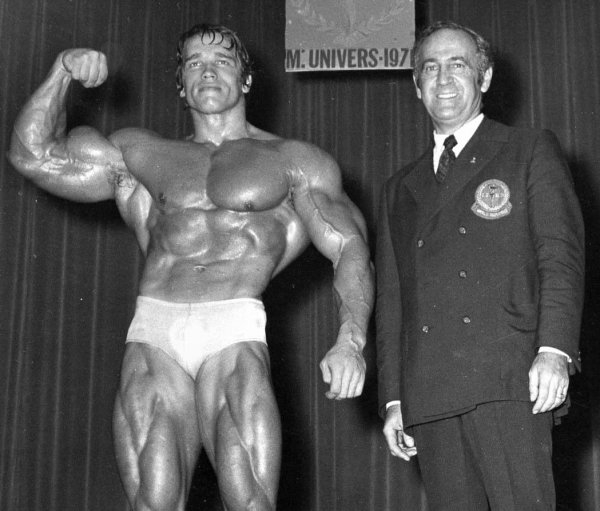
Arnold Schwarzenegger and Ben Weider
The stele endures as a symbol of divine kingship that survived thousands of years of history.
The Stele of Thutmose IV will be presented alongside pieces spanning Bronze Age British, Classical Greek and Roman history at David Aaron’s TEFAF New York stand, number 212, from 15-19 May.
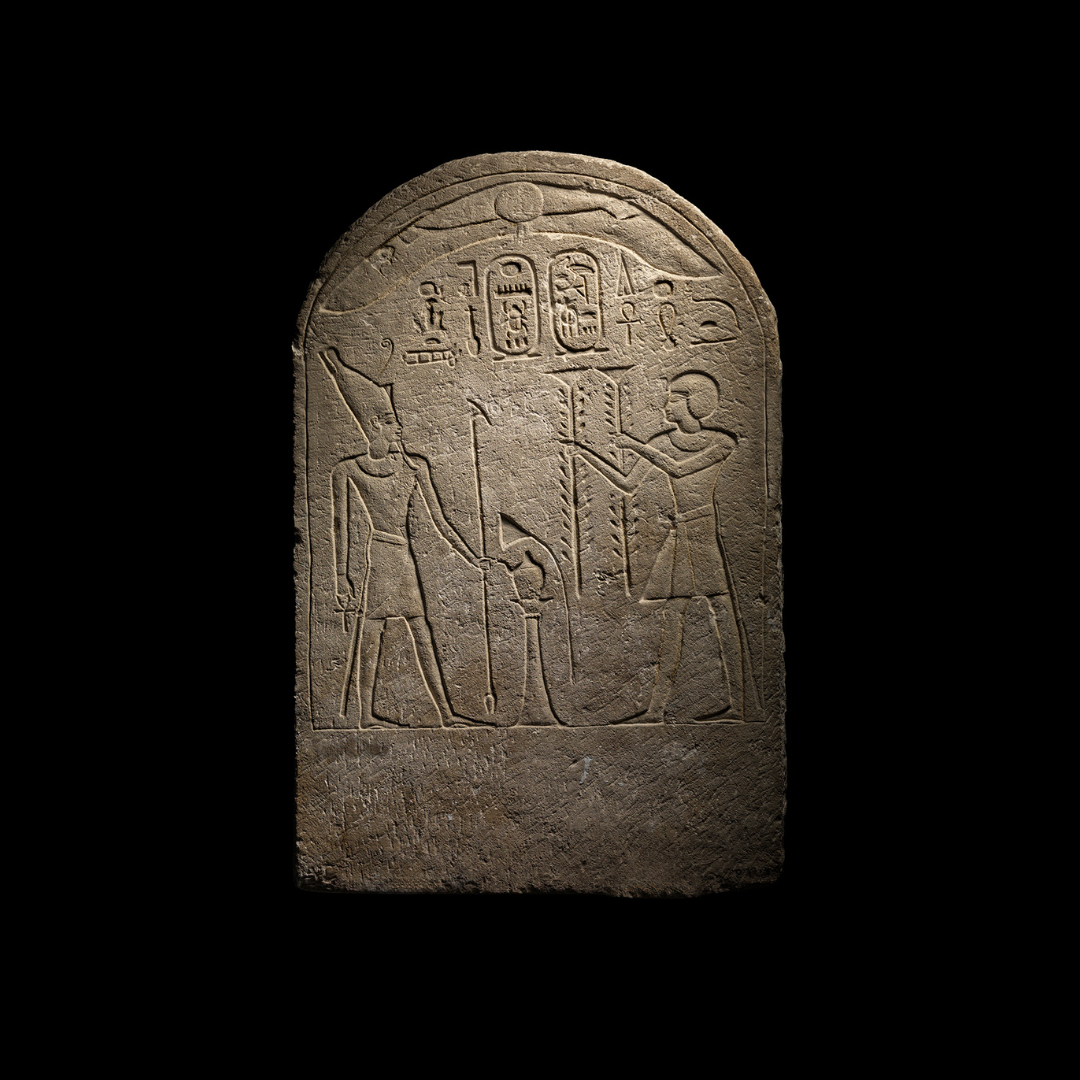
Stele of Thutmose IV , C. 1401-1391 B.C., Image: David Brunetti



 Where to find us?
 Newsletter
 Instagram
 Linked in
 Email
Email