Journal
Published 5/8/2025
Published 5/6/2025
Published 5/7/2025
Published 5/8/2025
Published 5/16/2025
Published 5/27/2025
Published 6/25/2025
Published 7/18/2025
Published 10/21/2025
Published 12/19/2025
Published 2/2/2026
Published 2/5/2026
Published 2/11/2026
Published 2/16/2026
Published 5/30/2025
Published 2/25/2026
Published 3/2/2026
Published 10/3/2022
Published 3/23/2026
Published 3/25/2026
Published 4/9/2026
Published 4/13/2026
Published 5/4/2020
Published 4/23/2026
Published 4/29/2026
Published 5/7/2026
Published 5/13/2026
Published 5/19/2026
Published 5/26/2026
Published 11/1/2024
Published 10/12/2022
Published 6/12/2026
Published 10/1/2024
Published 6/24/2026
Published 7/3/2026
Published 11/1/2023
Published 7/17/2026
Published 7/20/2026
Published 8/5/2025
Published 11/17/2022
Published 8/6/2026
Published 11/6/2025
Published 11/7/2024
Published 11/5/2024
Published 11/3/2024
Published 8/6/2020
Published 8/6/2020
Published 8/6/2026
Published 8/6/2026
Published 8/6/2026
Published 8/6/2026
Published 1/4/2026
Published 9/5/2024
Published 9/7/2021
Published 1/1/2025
Published 2/2/2025
Published 8/24/2026
Published 9/1/2026
Published 8/20/2026
Published 9/9/2026
The Sculptural Wonders of Fontainebleau: What is a Gogotte?
Published 17/08/2026

However, these extraordinary creations were not carved by human hands. They are sandstone sculptures, naturally formed over millions of years by subterranean geological forces, occupying a unique space where natural history and fine art aesthetics meet.
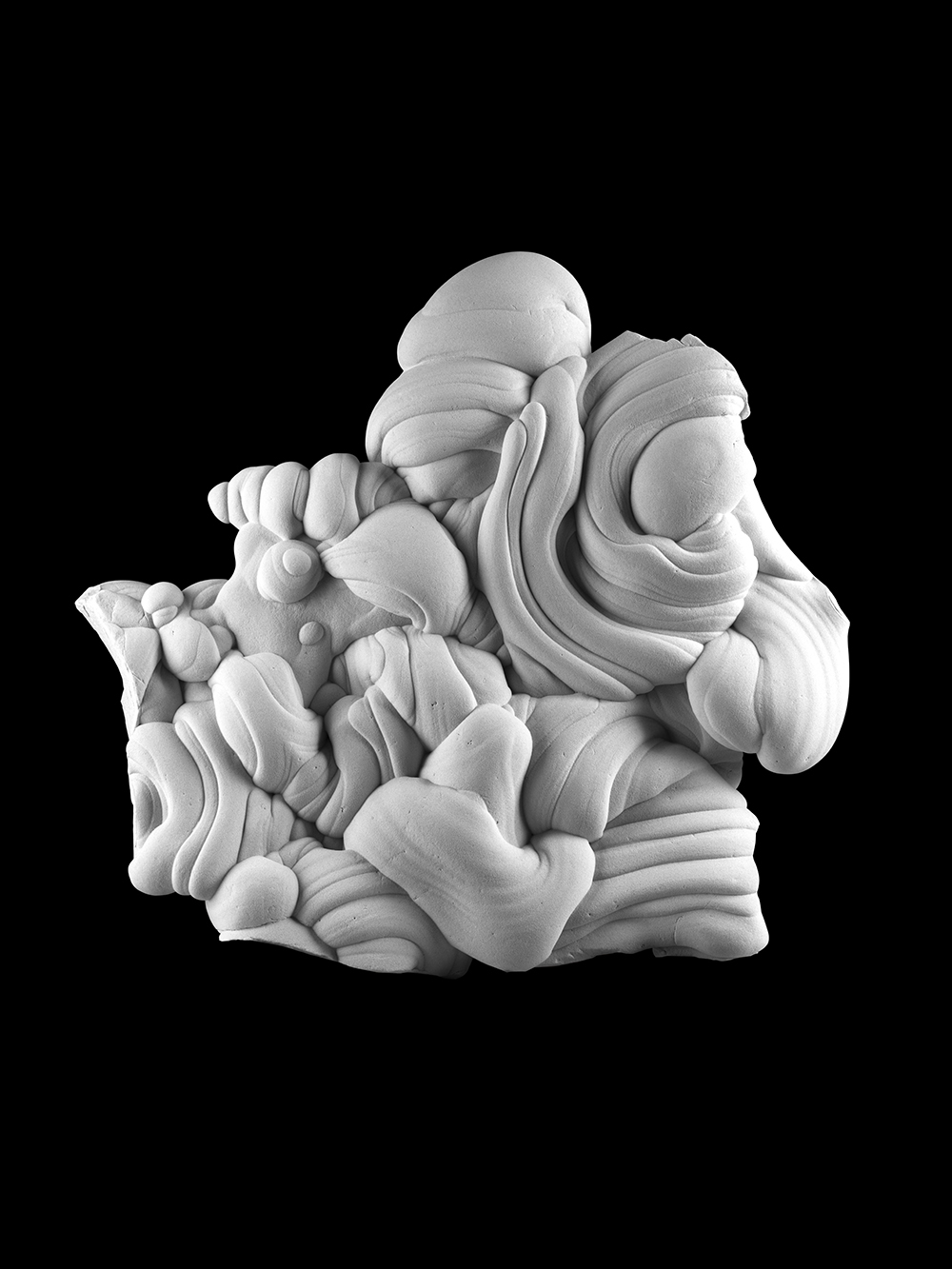
Image: Gogotte, Oligocene, 30 million years ago, Fontainebleau, France
Geological Formation
A gogotte, pronounced goh-GOTT, is a rare, naturally occurring sandstone concretion formed during the Oligocene epoch, approximately 30 million years ago, in the quartz-rich basin of Fontainebleau, south of Paris, France. While sandstone forms are discovered in other parts of the world, the swirling forms of a gogotte is exclusively found in Fontainebleau making them particularly rare and special to the region.
The process began as super-saturated geothermal water rich in silica percolated through dense layers of exceptionally pure, ultra-fine quartz sand. As the mineral-laden fluid circulated under precise temperature and pressure conditions, silica bound calcium carbonate sand grains together, forming smooth, rounded, rock-solid masses around tiny central nuclei. The surrounding unbonded sand remained loose and eventually washed away, revealing these swirling stone sculptures to be discovered year later.
An interesting element of the naturally forming gogottes is that they come in all shapes and sizes. Fom the very small forms that can be held in ones hands, to large-scale sculptures that meeasure many metres wide and tall and require custom made plinths and heavy duty equipment to manage the presentation of these unique pieces.
Gogottes and the French Royal Court
The allure of gogottes is far from a modern phenomenon. Long before they were recognised by modern geology, their surreal aesthetic caught the attention of the French aristocracy.
In the 17th century, King Louis XIV, also known as 'The Sun King', became captivated by their organic beauty. Under the direction of royal landscape architect André Le Nôtre, magnificent gogottes were excavated from the sands of Fontainebleau to adorn the famous gardens and grottos of the Château de Versailles.
They were integrated into key garden features, such as the Grove of the Three Fountains, where their smooth contours provided a dramatic contrast to cascading water and gilded bronze statues.
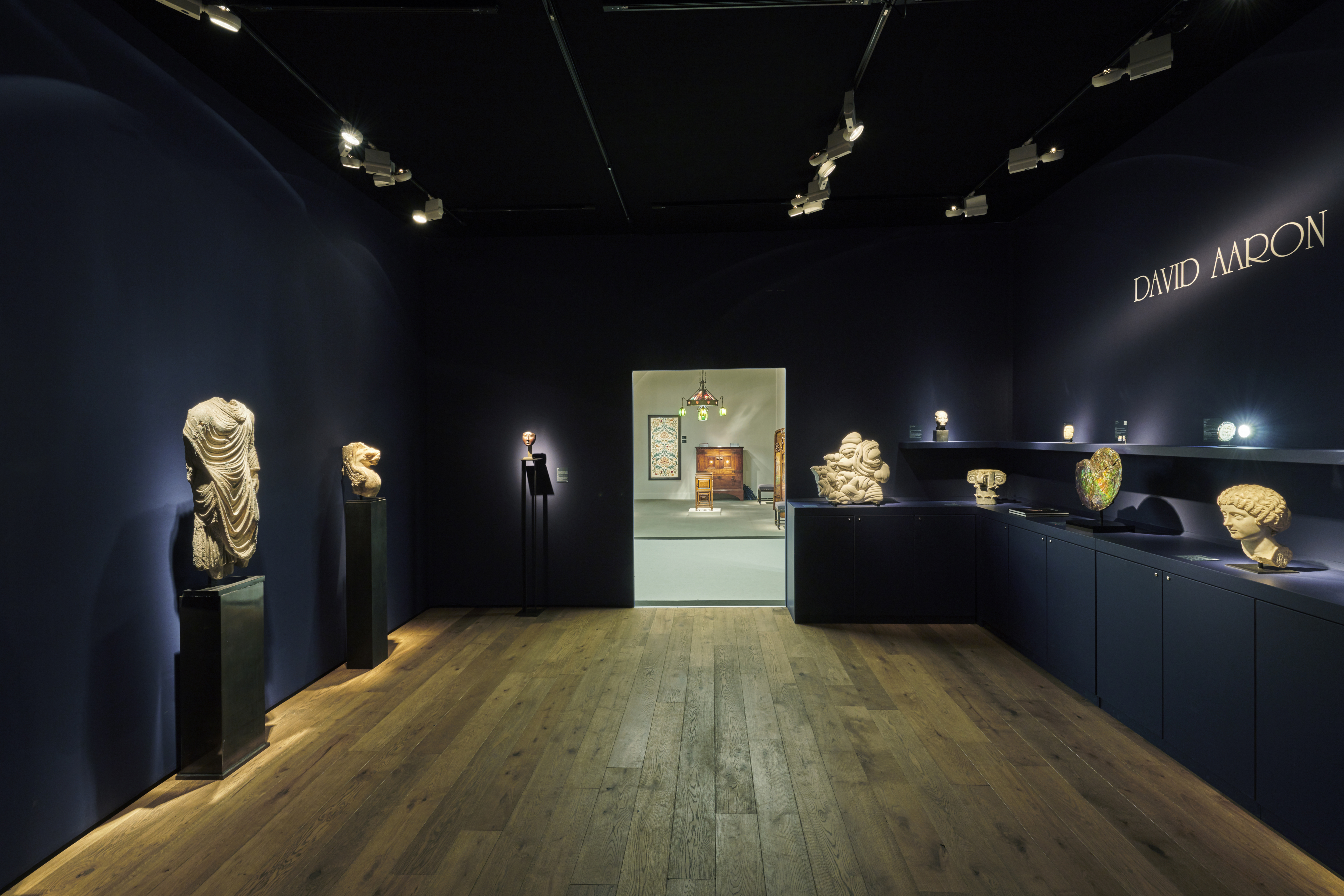 Image: Masterpiece art fair, 2022
 Gogottes in Fine Art
In the centuries since the displays at Versailles, gogottes have transitioned from cabinets of curiosity into premier collections of natural history and fine art. Because their formation relied on unpredictable fluid dynamics, no two gogottes are identical. Each specimen boasts its own distinct visual rhythm but is underpinned by two key elements – a porcelain-like texture derived from the silica sand of the Fontainebleau region and biomorphic forms made up of concentric swirls, arches, and smooth folds.
At major international art fairs such as TEFAF and Frieze Masters, exceptional examples of gogottes are routinely displayed alongside ancient antiquities, prehistoric fossils, and 20th-century paintings - a testament to their enduring artistic value.
Discover Gogottes at David Aaron
At David Aaron, we curate beautiful, provenance-backed gogotte specimens selected for their artistic quality and preservation. This October, David Aaron will exhibit a large-scale gogotte as part of the Frieze Masters 2026 presentation alongside antiquities and important pieces of natural history. Measuring over one meter wide, almost a metre tall and weighing in at around 200 kilograms, this striking gogotte will offer art anthusiastis and geology lovers alike the opportunity to view one of nature's true beauties during it's display at the fair.
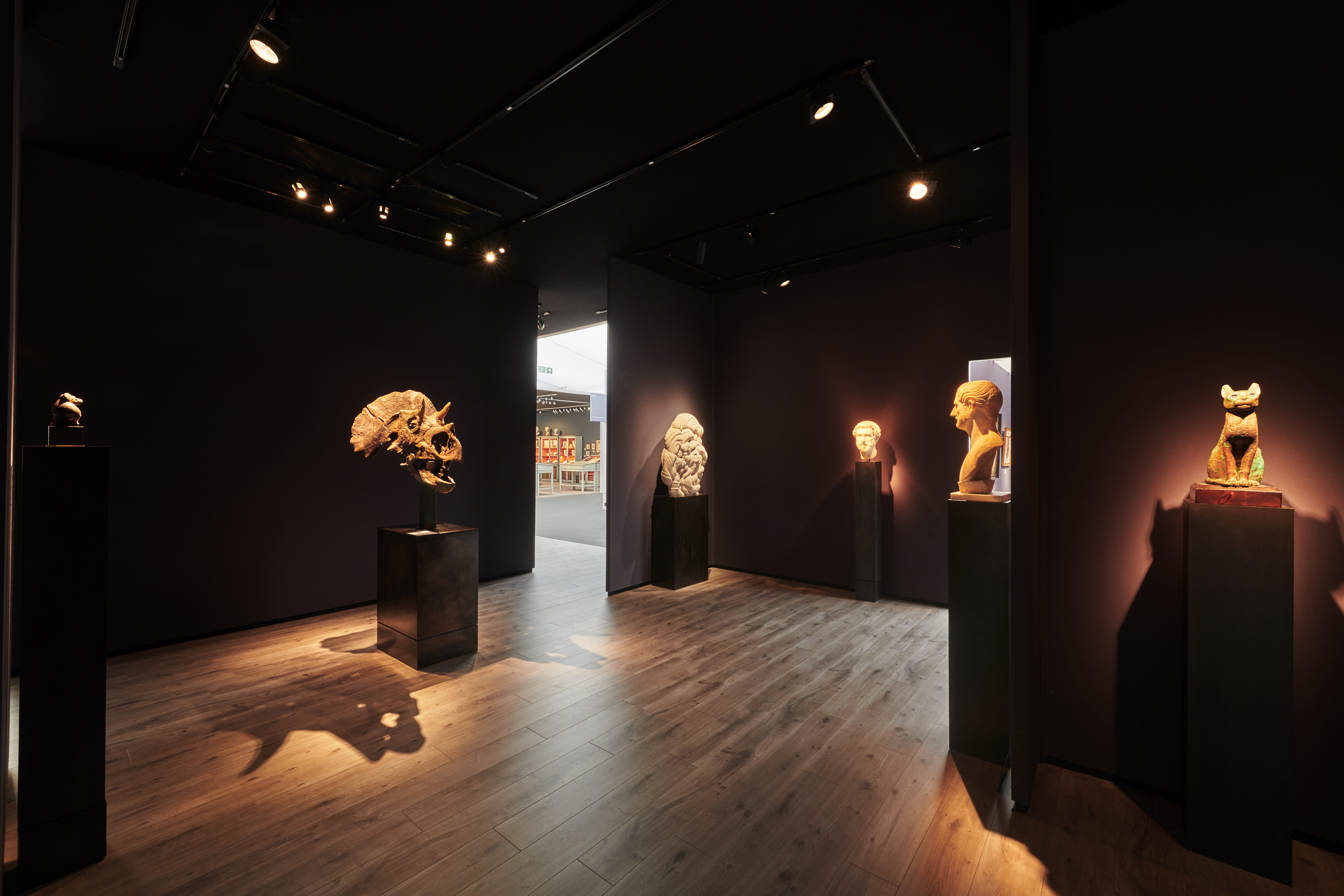 Image: Frieze Masters, 2022



 Where to find us?
 Newsletter
 Instagram
 Linked in
 Email
Email