Journal
Published 5/8/2025
Published 5/6/2025
Published 5/7/2025
Published 5/8/2025
Published 5/16/2025
Published 5/27/2025
Published 6/25/2025
Published 7/18/2025
Published 10/21/2025
Published 12/19/2025
Published 2/2/2026
Published 2/5/2026
Published 2/11/2026
Published 2/16/2026
Published 5/30/2025
Published 2/25/2026
Published 3/2/2026
Published 10/3/2022
Published 3/23/2026
Published 3/25/2026
Published 4/9/2026
Published 5/4/2020
Published 4/23/2026
Published 4/29/2026
Published 5/7/2026
Published 5/13/2026
Published 5/19/2026
Published 5/26/2026
Published 11/1/2024
Published 10/12/2022
Published 6/12/2026
Published 10/1/2024
Published 6/24/2026
Published 7/3/2026
Published 11/1/2023
Published 7/17/2026
Published 7/20/2026
Published 8/5/2025
Published 11/17/2022
Published 8/6/2026
Published 11/6/2025
Published 11/7/2024
Published 11/5/2024
Published 11/3/2024
Published 8/6/2020
Published 8/6/2020
Published 8/6/2026
Published 8/6/2026
Published 8/6/2026
Published 8/6/2026
Published 1/4/2026
Published 9/5/2024
Published 9/7/2021
Published 1/1/2025
Published 2/2/2025
Published 8/17/2026
Published 8/24/2026
Published 9/1/2026
Published 8/20/2026
Published 9/9/2026
Egyptian masterpieces to feature at TEFAF New York 2026 presentation
Published 13/04/2026

A 3,300-year-old royal stele dating to the reign of Pharaoh Thutmose IV (c. 1401–1391 BC), once owned by the co-founder of modern professional bodybuilding, will appear alongside a masterfully carved Egyptian bust of a goddess in greywacke stone.
The Stele of Thutmose IV, a finely carved limestone stele, depicts the pharaoh with arms extended bearing offerings of plants and sporting the uraeus serpent, symbol of sovereignty, on his brow. Receiving the offerings is the god Atum, wearing the double crown of Upper and Lower Egypt, or pschent, while holding an ankh and the was sceptre - symbols of life and divine authority. Atum's name is inscribed in hieroglyphs above him. Hieroglyphs record the king’s prenomen (throne name), Menkheperure, confirming the stele’s royal identity.
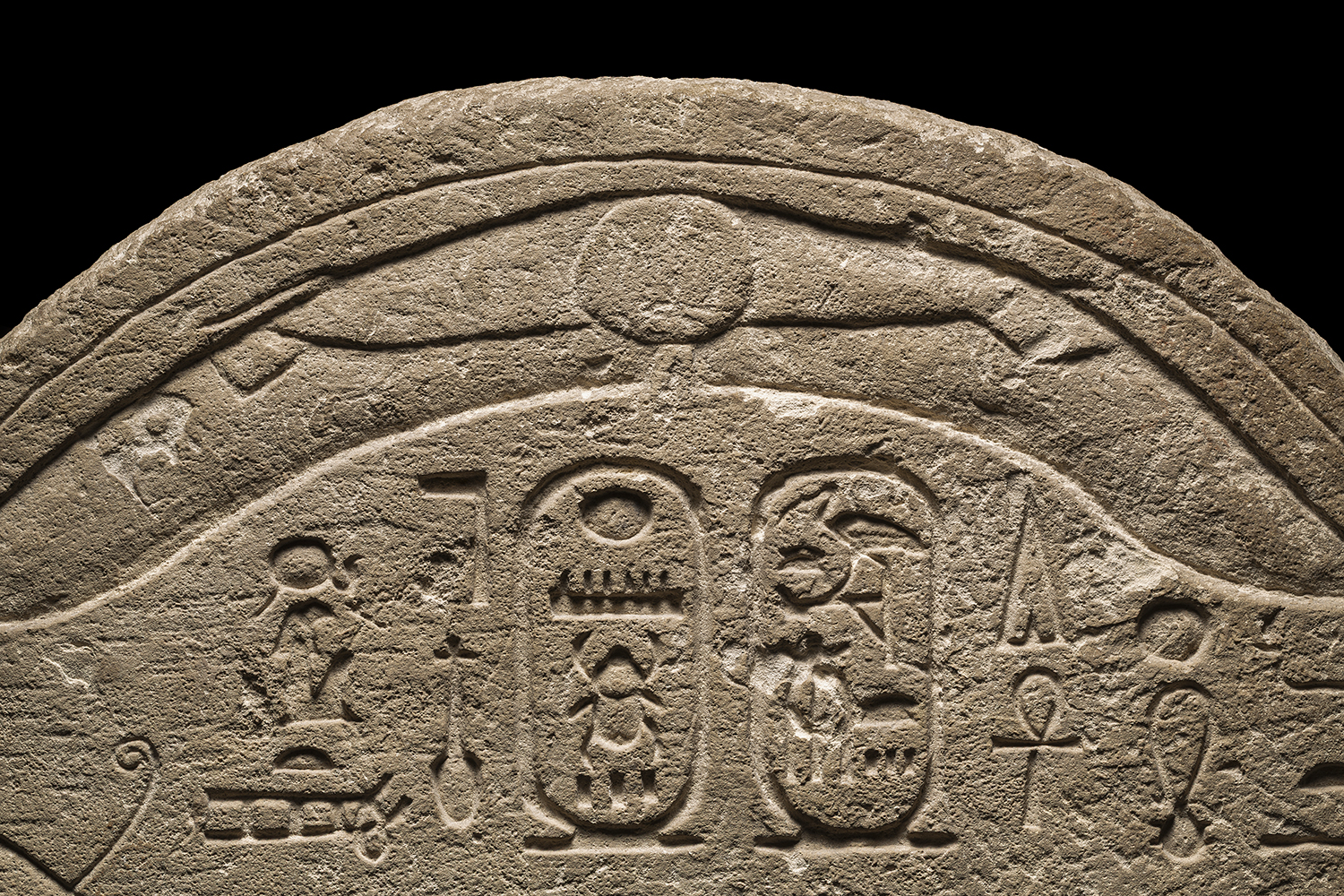
Stele of Thutmose IV, C. 1401-1391 B.C.. Image: David Brunetti courtesy David Aaron
The stele carries a unique modern history. It belonged to Ben Weider (1923–2008), the pioneering Canadian co-founder of the International Federation of BodyBuilders, and Napoleonic historian. The stele was presented to Weider in Cairo in 1964 by the United Arab Republic of Bodybuilding Federation in recognition of his ‘work in popularising bodybuilding in the Middle East’. The stele remained in Weider’s collection for decades and will be exhibited in New York with the original presentation plaque.
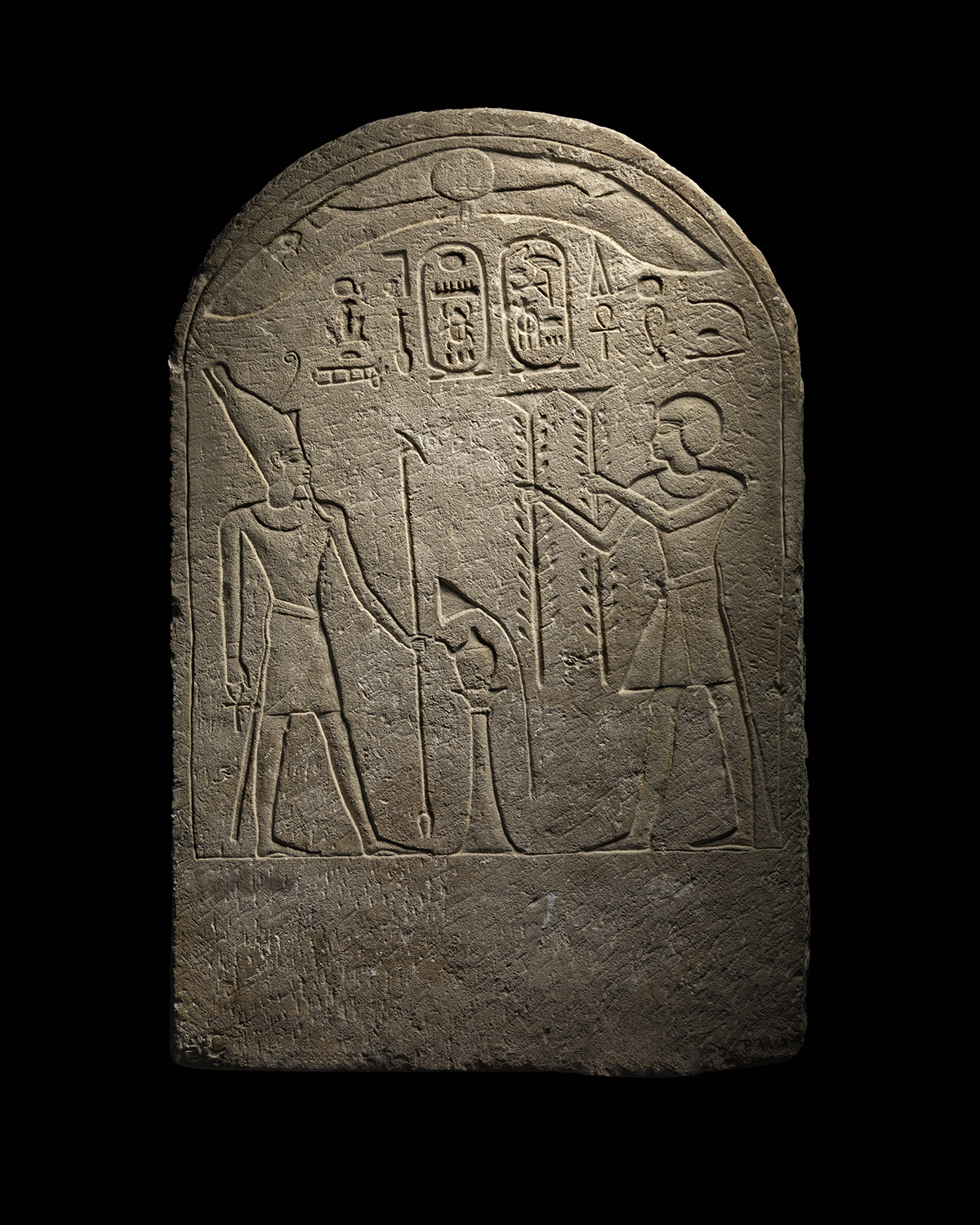
Stele of Thutmose IV, C. 1401-1391 B.C.. Image: David Brunetti courtesy David Aaron
An Egyptian Goddess in regal greywacke stone
David Aaron will also present a masterfully carved Egyptian bust of a goddess in greywacke stone, dated to the reign of Amasis II (570–526 B.C.), Dynasty XXVI. Long misattributed and overlooked, the piece was recently rediscovered and restored.
Following 40 years of obscurity in a private collection, the goddess appeared at a Gloucestershire auction in 2022, covered in a shiny layer of paint or wax and with an unusually preserved nose, casting doubt on its authenticity.
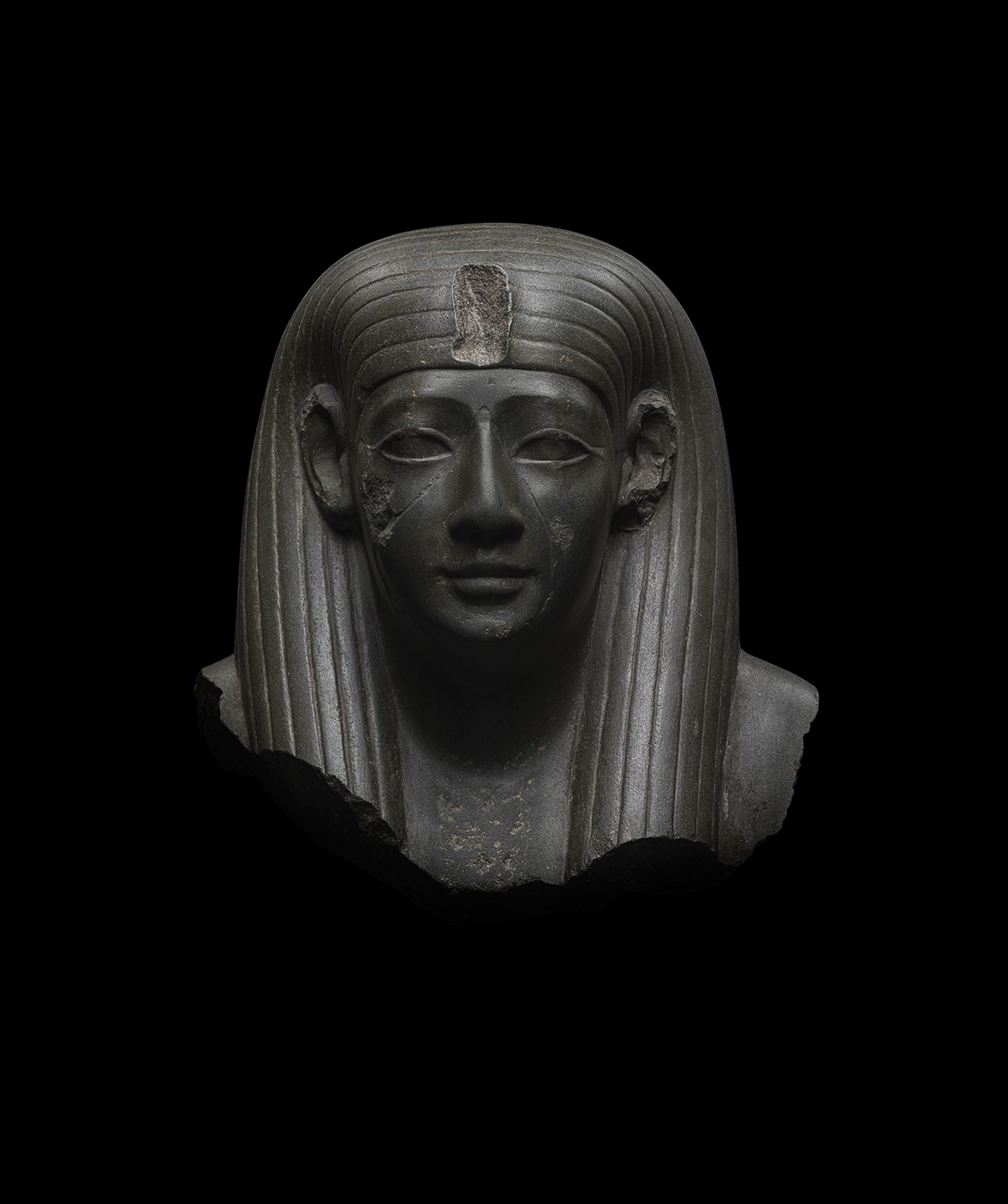
Greywacke Goddess, 570-526 B.C. Image: David Brunetti courtesy David Aaron
Research by David Aaron unearthed new provenance documentation placing the bust at a 1923 Hôtel Drouot sale in Paris. Material analysis revealed that the goddess was carved from a fine dark stone called greywacke, a material highly prized in the Late Period for sculptures of royal and divine figures.
Scientific and art historical study revealed a section of the sculpture had been reworked into a new nose during earlier restoration; while technically impressive for the period, the restoration style is now outdated and led to questions about the sculpture’s authenticity. David Aaron undertook de-restoration efforts, with the 18th-century nose sympathetically reattached, to return the goddess to her former glory.
The Stele of Thutmose IV and the Greywacke Goddess will be presented in an exhibition of exceptional pieces spanning Bronze Age British, Classical Greek and Roman, and ancient Egyptian history at TEFAF New York.
David Aaron Ltd will present at stand 212 at TEFAF New York from 15 - 19 May 2026.
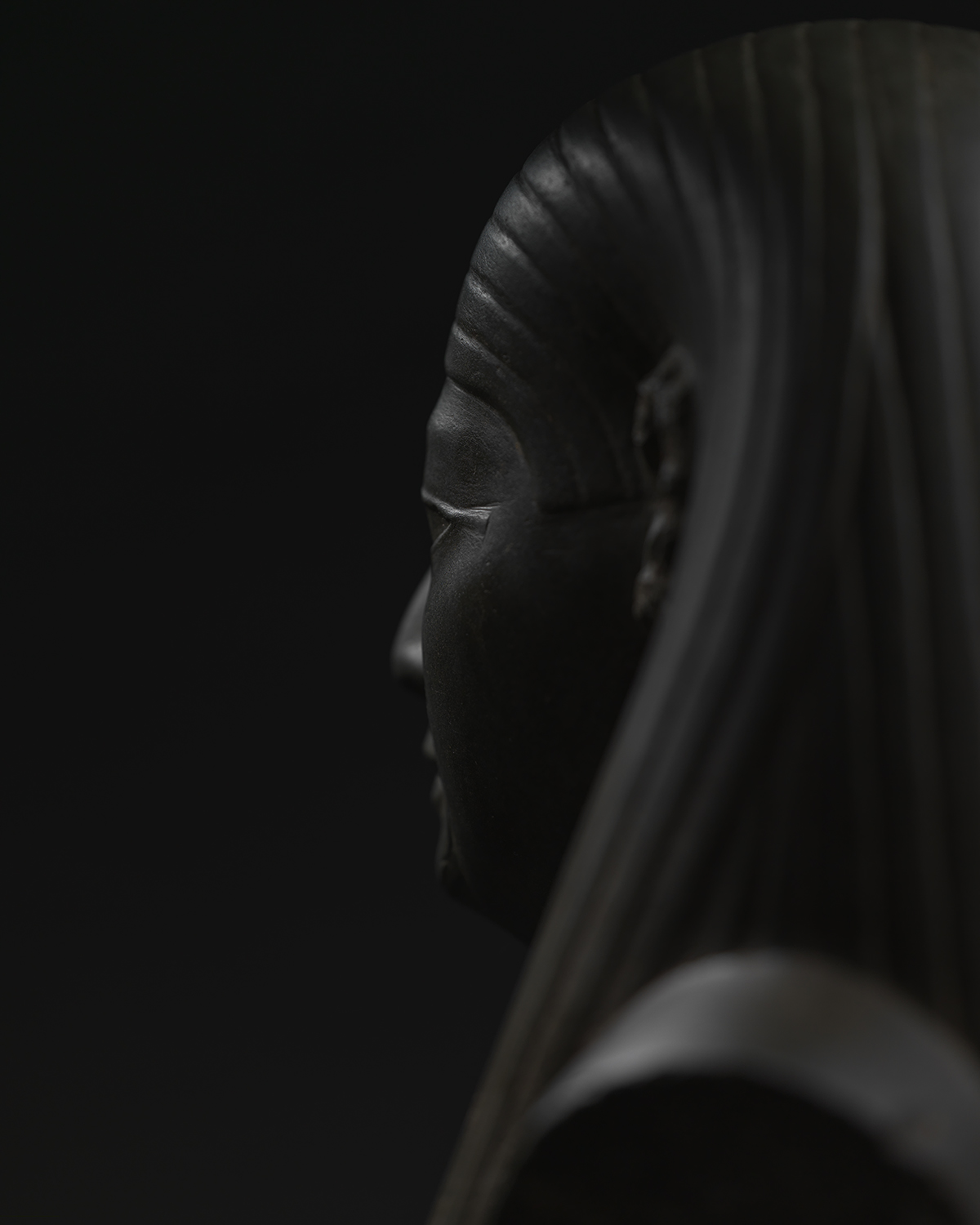
Greywacke Goddess, 570-526 B.C. Image: David Brunetti courtesy David Aaron



 Where to find us?
 Newsletter
 Instagram
 Linked in
 Email
Email