Journal
Published 5/8/2025
Published 5/6/2025
Published 5/7/2025
Published 5/8/2025
Published 5/16/2025
Published 5/27/2025
Published 6/25/2025
Published 7/18/2025
Published 10/21/2025
Published 12/19/2025
Published 2/2/2026
Published 2/5/2026
Published 2/11/2026
Published 2/16/2026
Published 5/30/2025
Published 2/25/2026
Published 3/2/2026
Published 10/3/2022
Published 3/23/2026
Published 3/25/2026
Published 4/9/2026
Published 4/13/2026
Published 5/4/2020
Published 4/23/2026
Published 4/29/2026
Published 5/7/2026
Published 5/13/2026
Published 5/19/2026
Published 5/26/2026
Published 11/1/2024
Published 10/12/2022
Published 10/1/2024
Published 6/24/2026
Published 7/3/2026
Published 11/1/2023
Published 7/17/2026
Published 7/20/2026
Published 8/5/2025
Published 11/17/2022
Published 8/6/2026
Published 11/6/2025
Published 11/7/2024
Published 11/5/2024
Published 11/3/2024
Published 8/6/2020
Published 8/6/2020
Published 8/6/2026
Published 8/6/2026
Published 8/6/2026
Published 8/6/2026
Published 1/4/2026
Published 9/5/2024
Published 9/7/2021
Published 1/1/2025
Published 2/2/2025
Published 8/17/2026
Published 8/24/2026
Published 9/1/2026
Published 8/20/2026
Published 9/9/2026
An introduction to Ancient Egyptian wooden statues at David Aaron
Published 12/06/2026

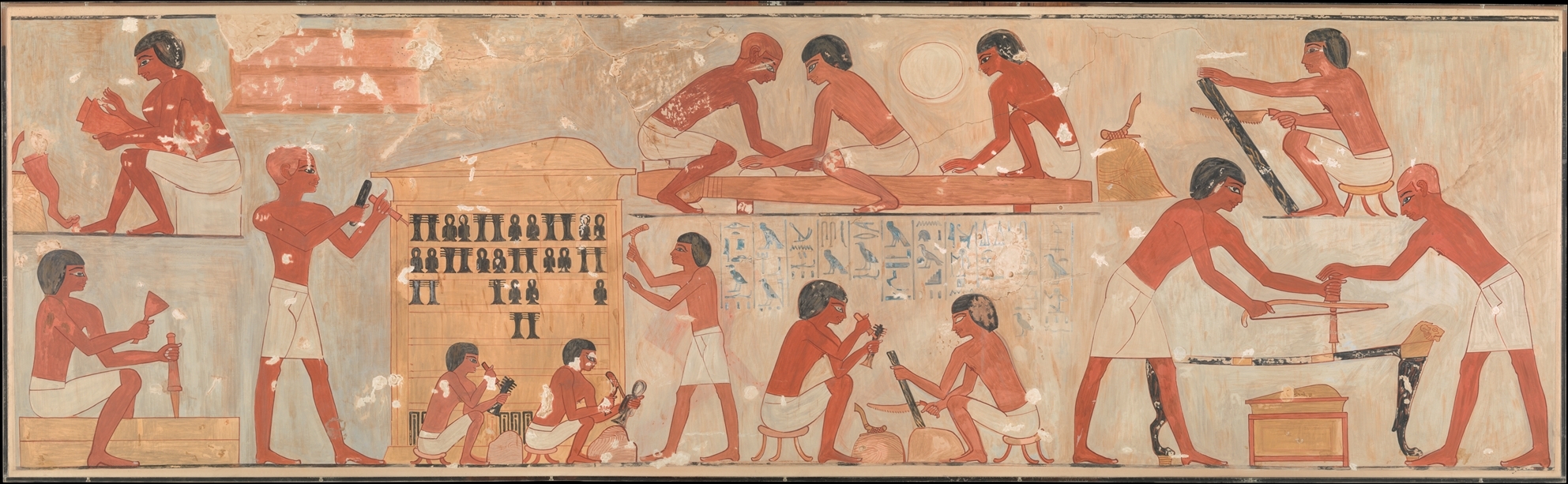 Carpenters at Work, Tomb of Rekhmire New Kingdom, ca. 1504–1425 B.C. Image: Courtesy Metropolitan Museum of Art
Working in Wood
The native trees of Egypt – acacia, tamarisk, date palm, plane tree, and sycamore fig – did not provide the best wood for carving. Instead, better-quality timber had to be imported from the surrounding countries at great cost: cedar, cypress, spruce, pine, yew, and birch were imported from Syria and Lebanon, and ebony from Sudan and Ethiopia. These imported woods, particularly yew and cedar, were the most expensive and, therefore, the most prestigious to work in. Despite the costs involved, wood was a popular material for statuary from the Predynastic and Early Dynastic periods into the Late Period.
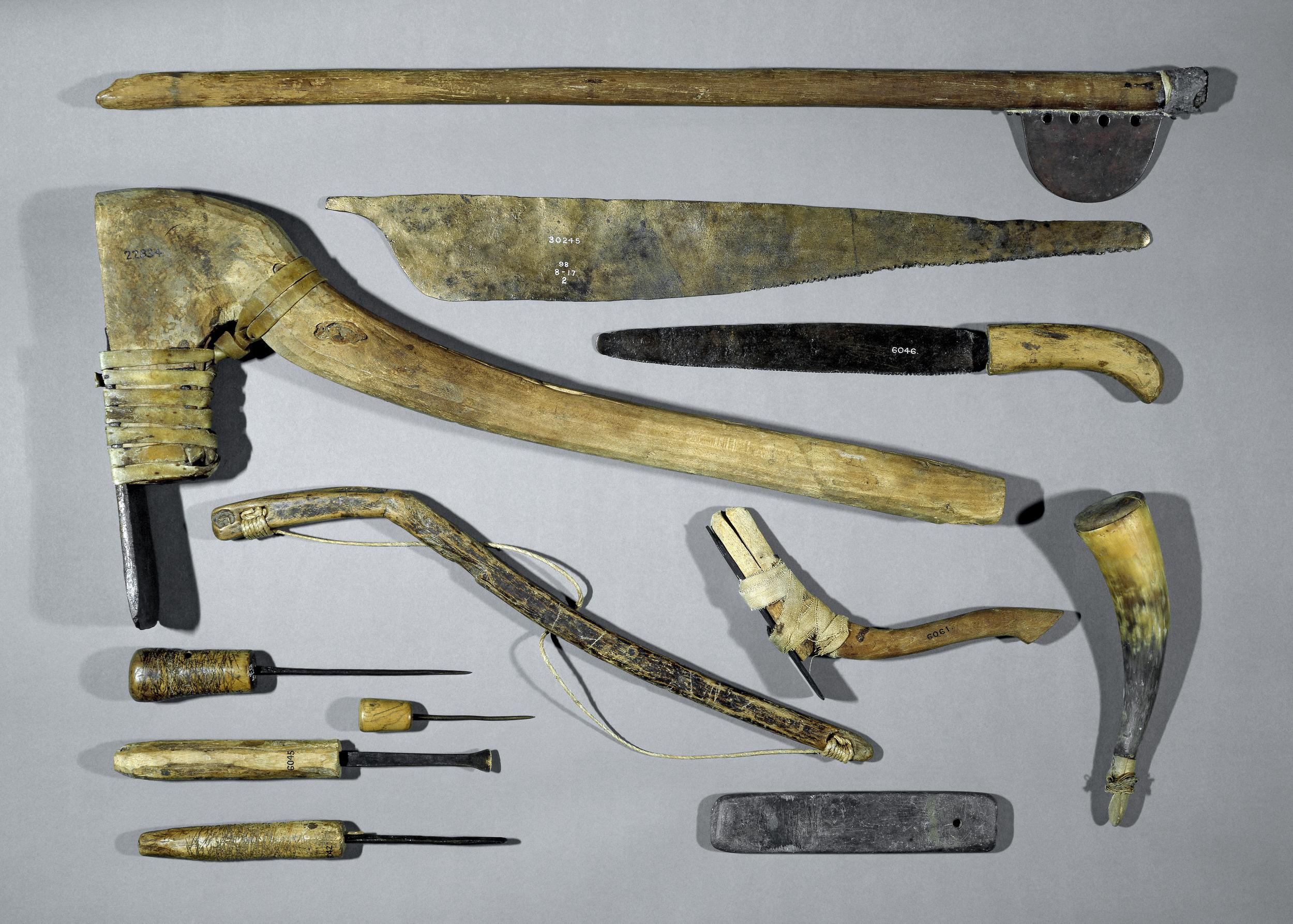
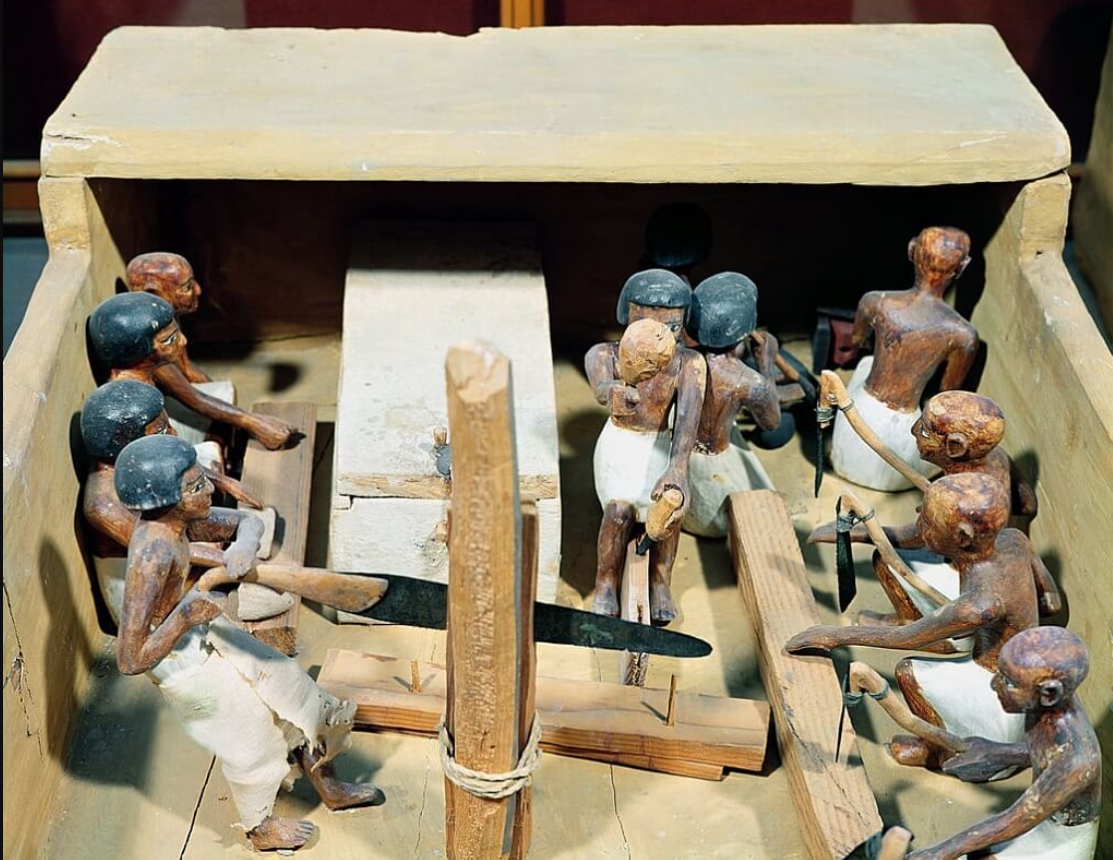
Alongside the finished wooden products themselves, there is ample evidence of ancient Egyptian carpentry, including groups of tools, paintings, and even wooden models of workshops. The earliest evidence of Egyptian woodworking dates to the early Badarian period (c. 5500-4000 BC), with many of the tools used during the dynastic periods based on pre-dynastic precedents. Adzes (flat chisels with a wide cutting edge on the end of a hooked handle), awls, drills, chisels, saws, mallets, and axes, were all used to smooth and shape wood. A full carpenter’s kit would also include measuring equipment, scribal palettes and knives for marking outlines, a slate for sharpening the metal tools, and a lathe for rotating wood smoothly while carving.
Old Kingdom
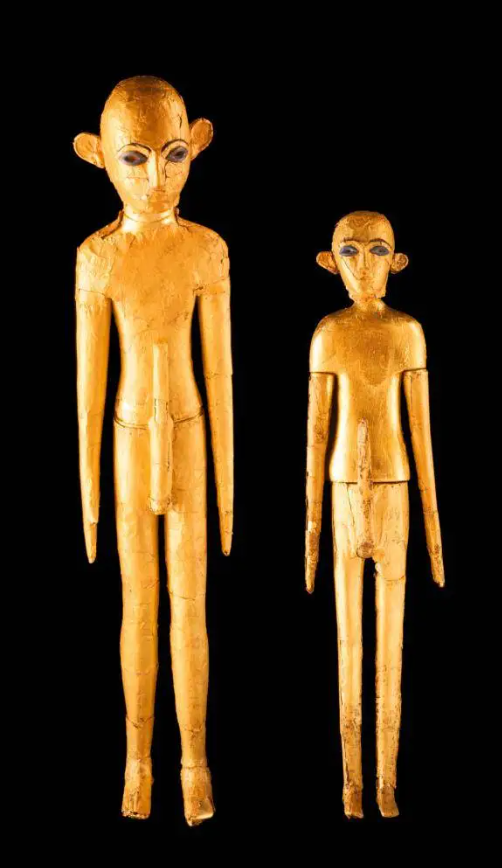
Gold figurines discovered at Tell el-Farkha’s Eastern Kom. Image: Courtesy Egypt Museum
Wooden models were produced from as early as the Pre-Dynastic Period (for example, the gilded figures from Eastern Kom, Tell el-Farkha). The first wooden models of single figures from the Dynastic Period are dated to the end of the 5th Dynasty, and they increasingly appeared in the tombs of elite figures following the reign of Pepi II Neferkare (r. c. 2278-c. 2214 B.C.). From the 6th Dynasty onwards, wooden statues and statuettes supplanted limestone as the primary material used for tomb models. A figure of a man from the 6th Dynasty, previously in the collection of Dikran Kelekian (1867-1951), demonstrates the high levels of skill already attained by Egyptian carpenters of this period: the partially pleated fabric of the kilt knotted below the abdomen is carefully articulated, the facial features are both carved and painted, and the nipples were inlaid and painted (only one remains intact).
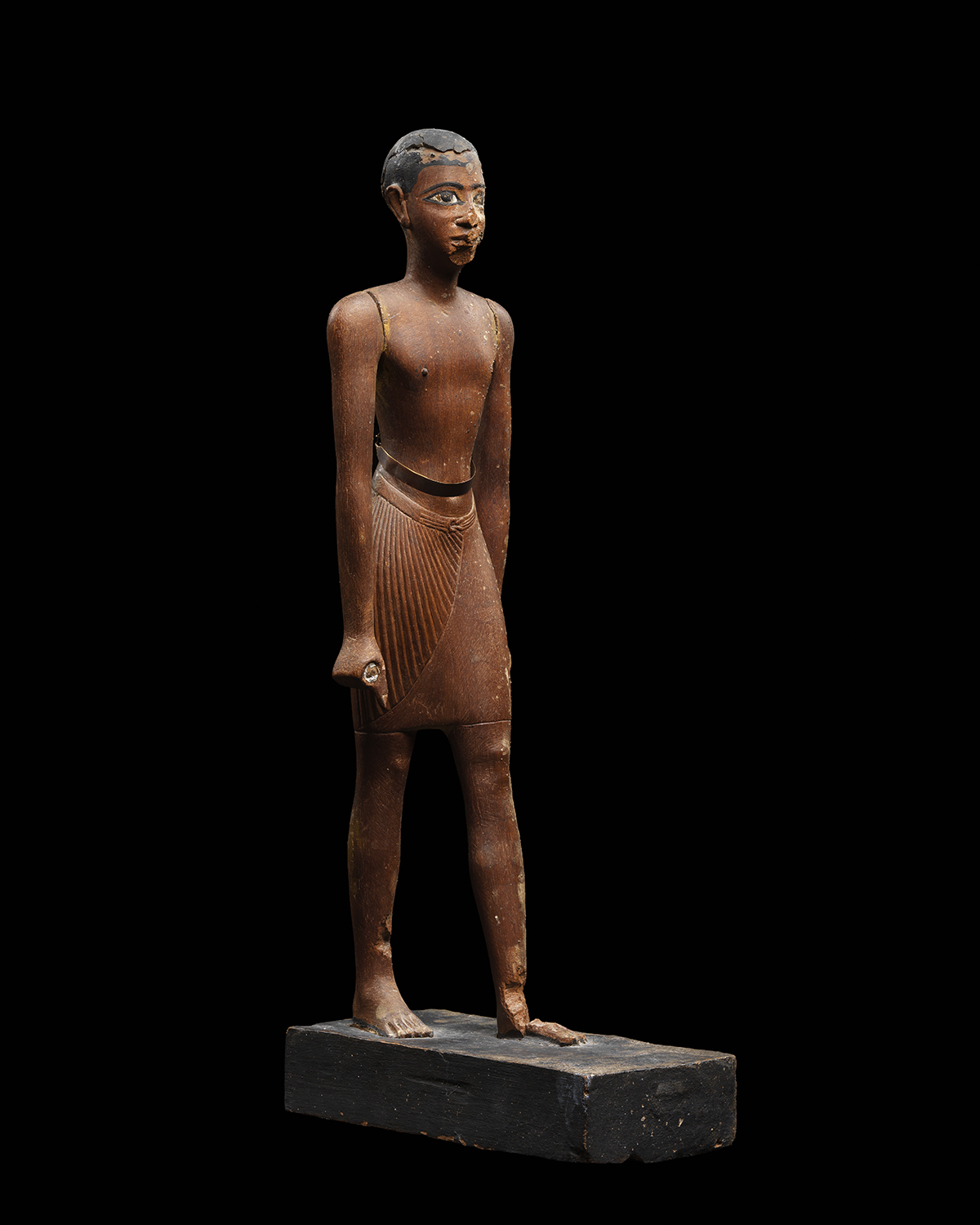
Figure of a Man, 2360-2195 B.C., 6th Dynasty, Old Kingdom, Asyut, Egypt. Image: David Brunetti
Middle Kingdom
The majority of wooden statues and statuettes that have been found from ancient Egypt were made during the Middle Kingdom. During this period, wooden figures were carved with increasing variety and personalisation. As well as the smaller scale statuettes, large-scale models of offering bearers were positioned in the inner tomb chambers. Generally, there would be a number of these figures per tomb, personifying the estates which would supply the tomb owner in their afterlife. One such pair of large, intricately painted female offering bearers were discovered in a hidden chamber within the tomb of the 12th Dynasty royal chief steward Meketre, during the 1920 excavations led by Herbert Winlock (now in the Metropolitan Museum of Art, New York, 20.3.7, and the Egyptian Museum, Cairo, JE 46725).
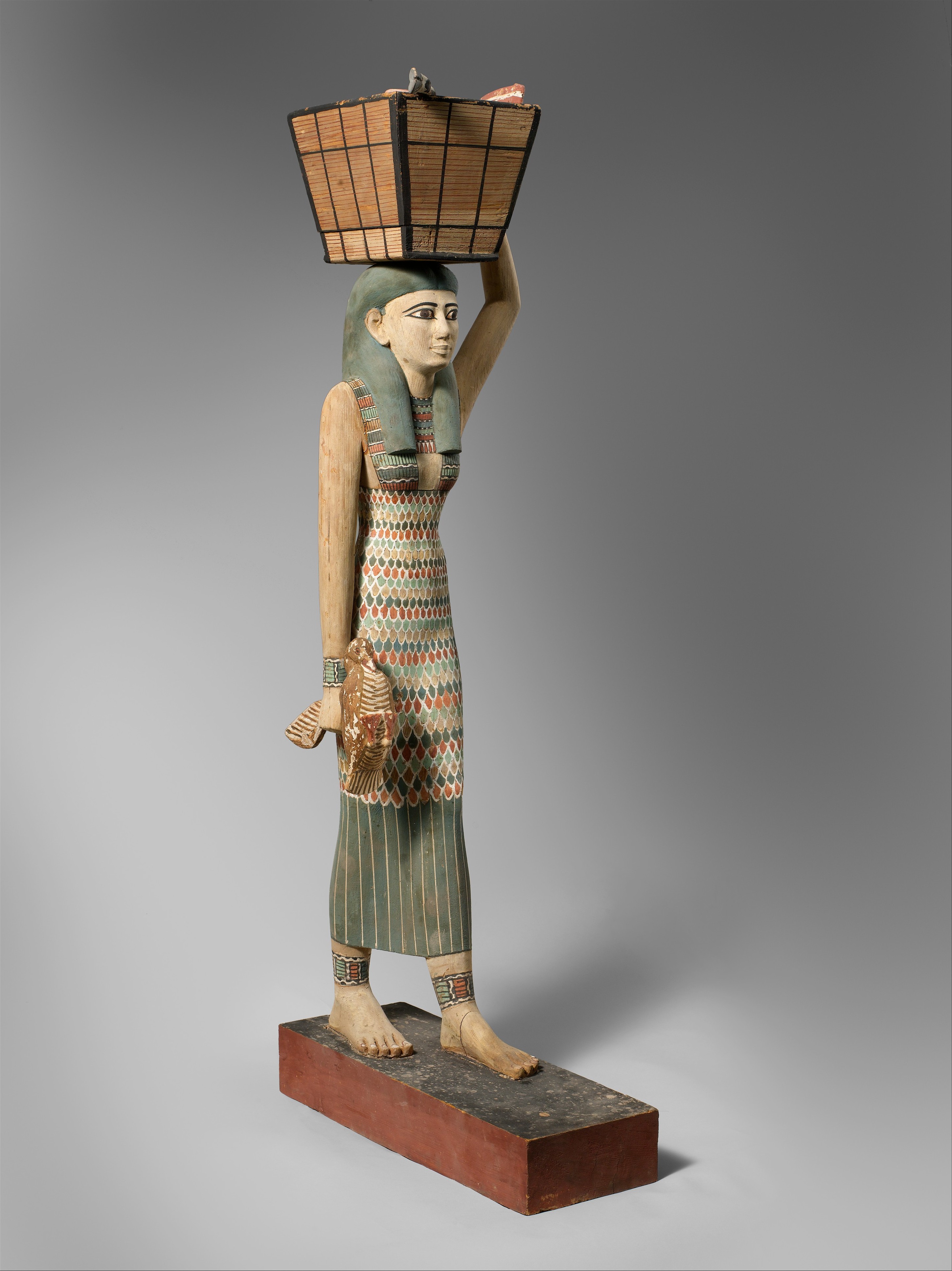
Estate Figure, Middle Kingdom, ca. 1981–1975 B.C. Image: Courtesy Metropolitan Museum of Art
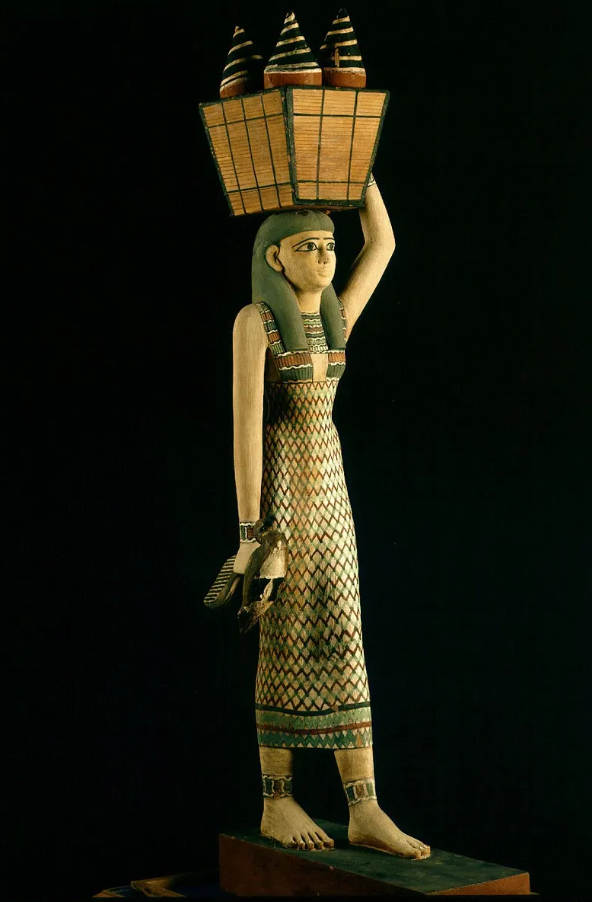
Statue of a woman carrying offerings. Egyptian Museum, Cairo. JE 46725
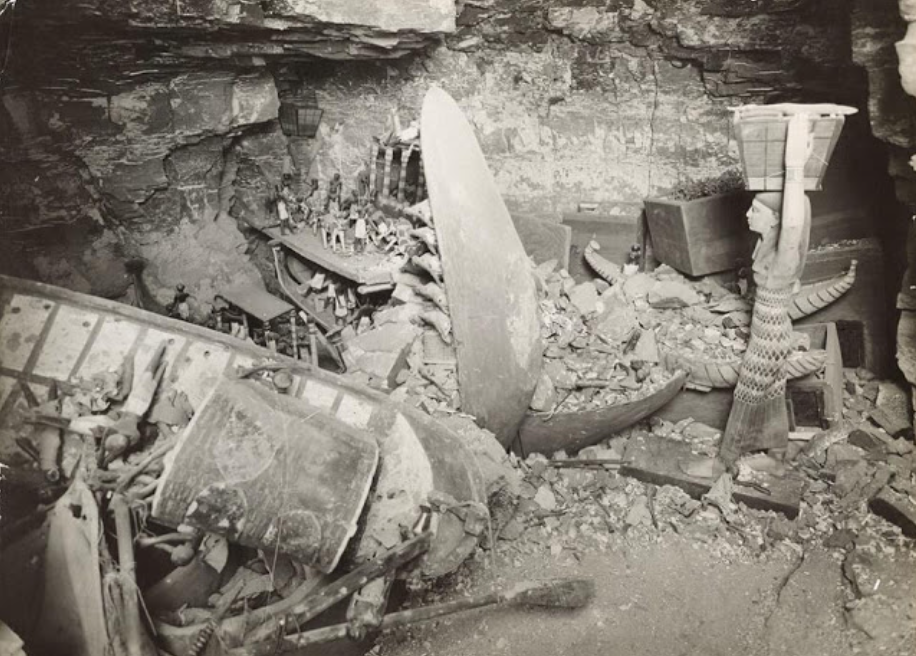 Tomb Meketre, discovered in February 1920 by the mission of the Metropolitan Museum of Art in New York led by Herbert Eustis Winlock. Image: Harry Burton
Another partial figure of an offering bearer from the Late 11th-Early 12th Dynasty was previously owned by art historian and advocate for African arts, Madeleine Rousseau (1895-1980), and mounted on a stand crafted by famous artisan Kichizô Inagaki (1876-1951).
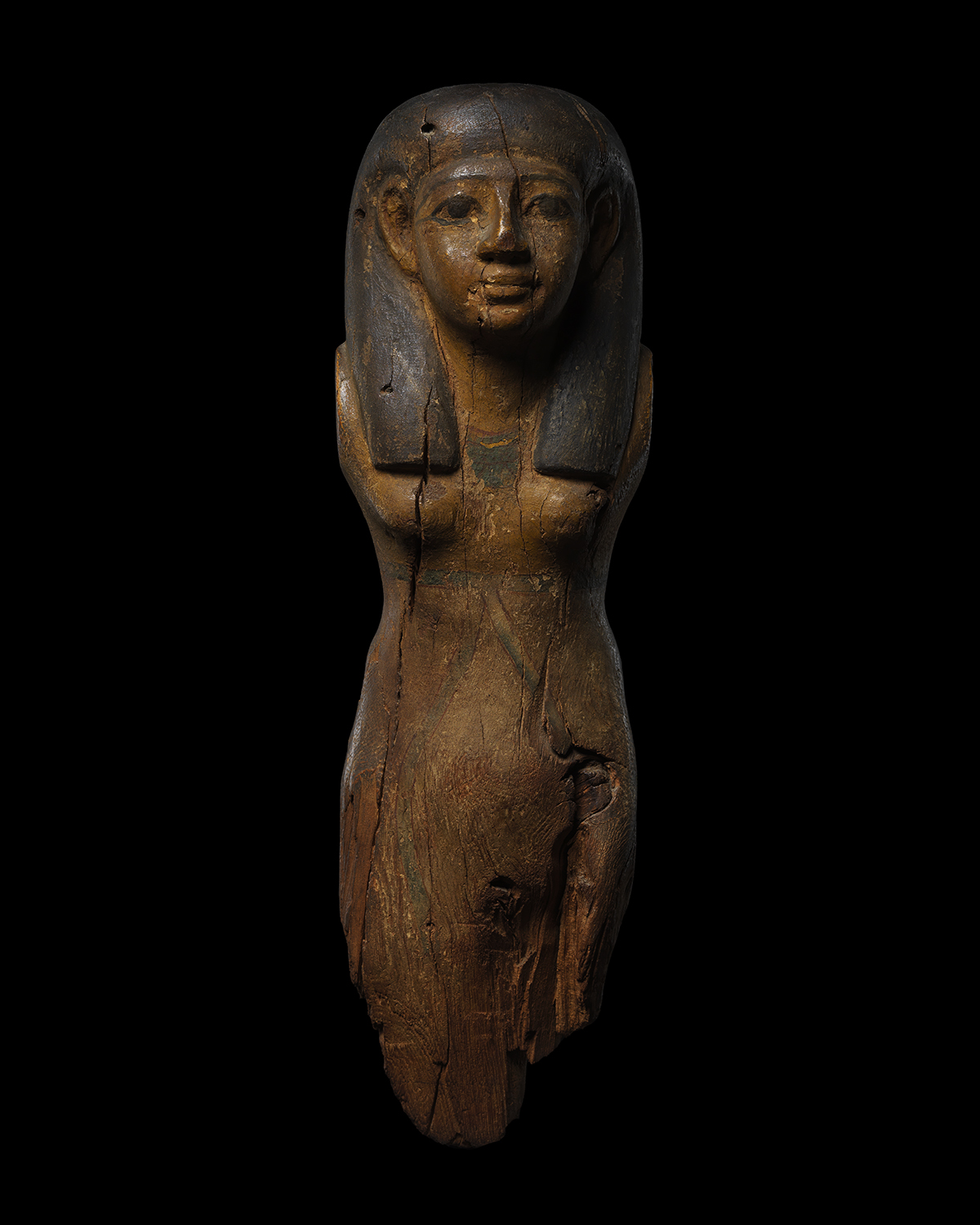
Statue of a Female Offering Bearer, Late 11th- Early 12th Dynasty, Middle Kingdom, Egypt . Image: David Brunetti
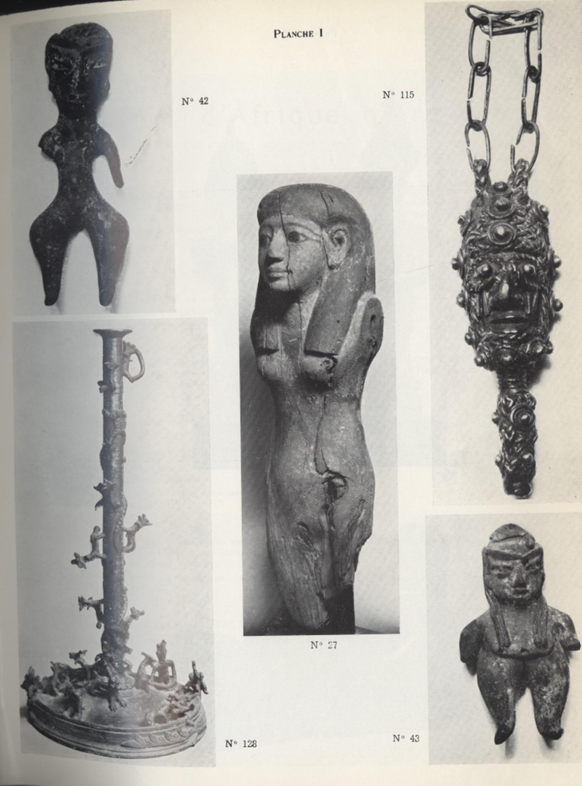
Collection Madeleine Rousseau, Hôtel Drouot, Paris, 23 May 1962, Lot 27, pl. 1.
The Middle Kingdom also saw the return of wooden boat models. First included in 1st-Dynasty tombs, they fell out of fashion until the 11th Dynasty, when they returned in great numbers, and have been found throughout the pyramid complexes of the 12th Dynasty. Boats were an essential part of life in ancient Egypt, for carrying supplies and transporting passengers down the Nile. They varied in design according to function, with reed boats for hunting in the marshes and lakes, papyrus boats for entertainment and religious events (such as carrying statues of gods in religious ceremonies and pilgrimages), and sturdier wooden boats for trading voyages across the Mediterranean, Red Sea, and beyond. Boats were also the vessel of choice for the soul’s journey to Abydos, resting place and cult centre of Osiris, where the deceased could share in the god’s death and resurrection. Boats were usually interred in pairs: one rigged with a sail and oars for sailing upriver (southward) with the prevailing wind from the Mediterranean; the other with oars alone, for the journey downstream against the prevailing north wind.
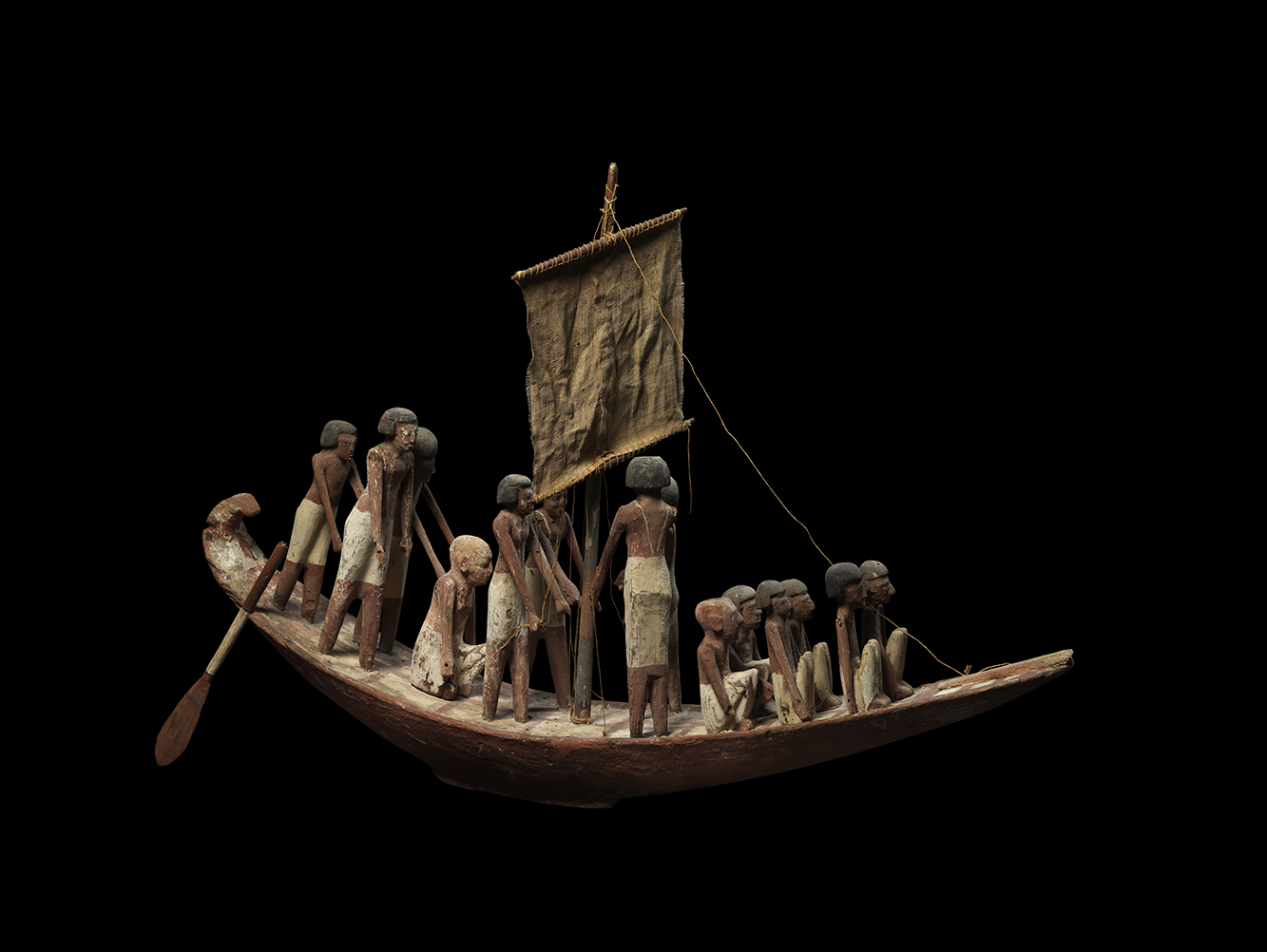 Funerary Model of a Boat, Middle Kingdom, Dynasty XI-XII, 2087-1759 B.C., Egypt . Image: David Brunetti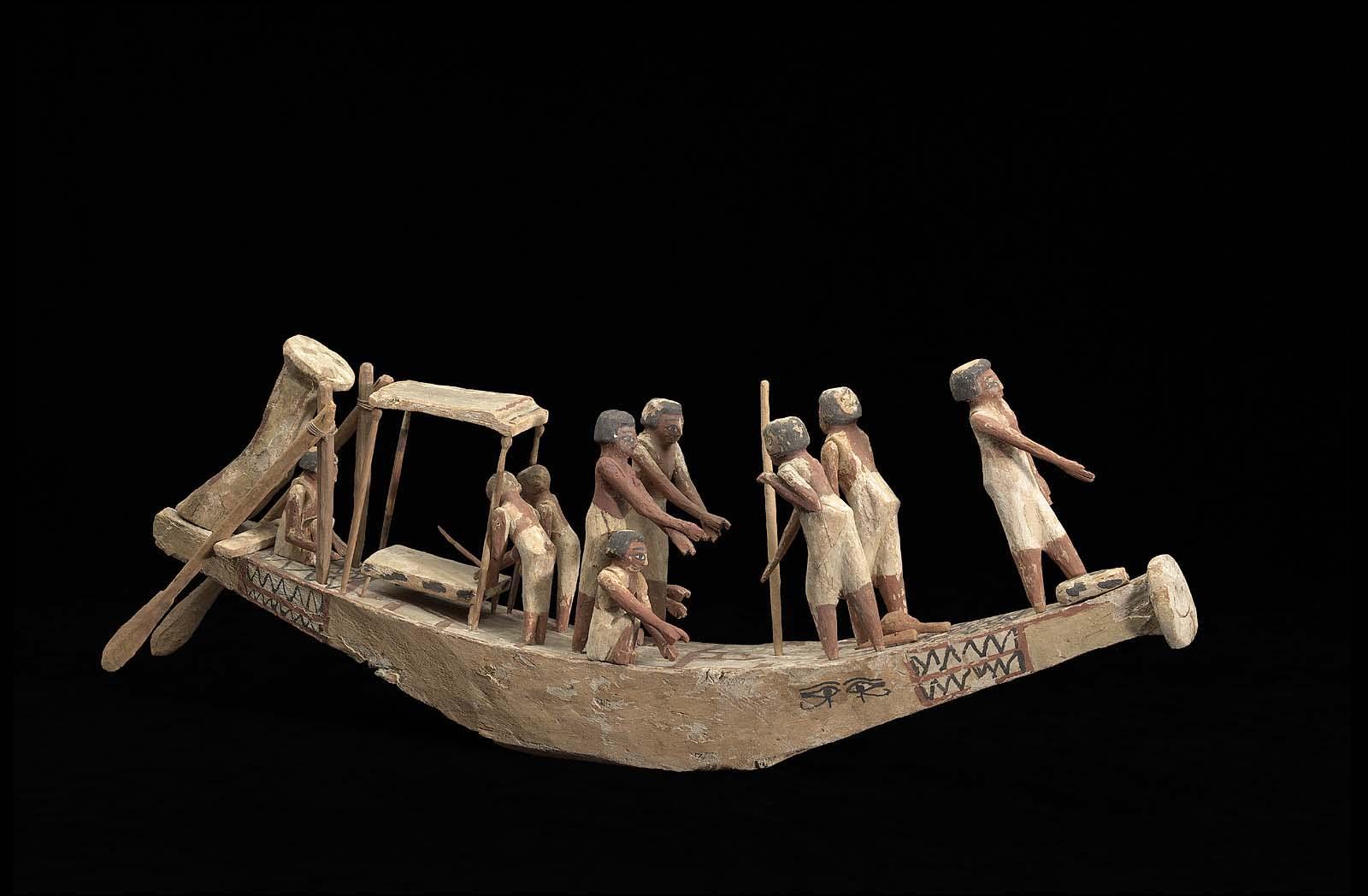
New Kingdom
Wooden models continued to be produced throughout the New Kingdom. Tutankhamun’s famous tomb held 35 wooden boats and associated figures, including life-sized painted and gilded wooden statues of the king – an indication that wood statuary may have been far more widespread than the surviving evidence suggests.
A small wooden figure from the 18th Dynasty was in the collection of Adolphe Raifé (1802-1867) and published in his posthumous 1867 sale at Hôtel Drouot. The figure stands on an unbaked clay base with a hieroglyphic inscription that identifies the figure as a personification of the North. This statuette would have been one of a set of the four cardinal directions which would have been positioned in the respective corners of the burial chamber, either surrounding or on top of the coffin, in a rare (but recorded) practice.
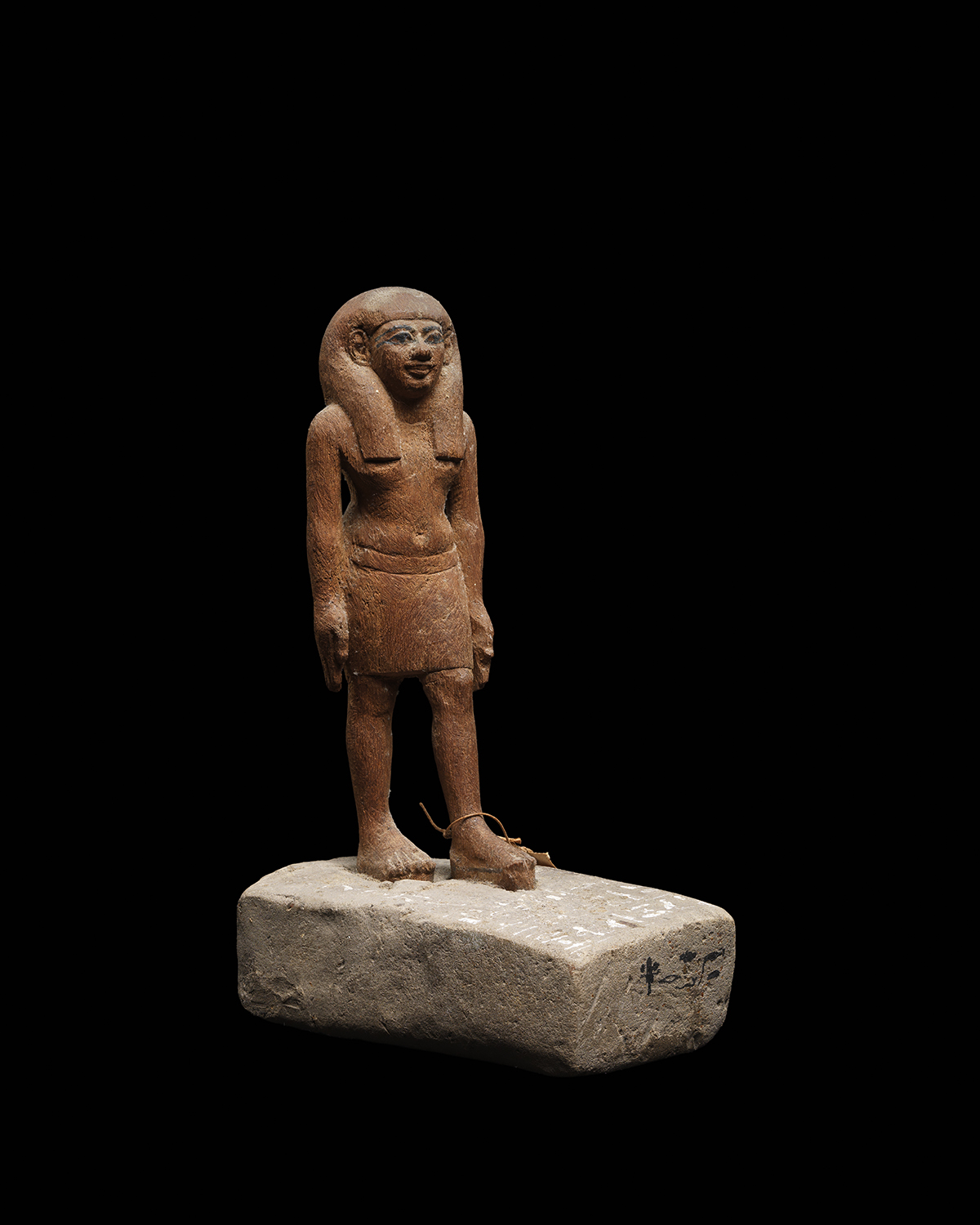
Northern Cardinal Figure, C. 1550-1292 B.C., 18th Dynasty, New Kingdom, Egypt . Image: David Brunetti
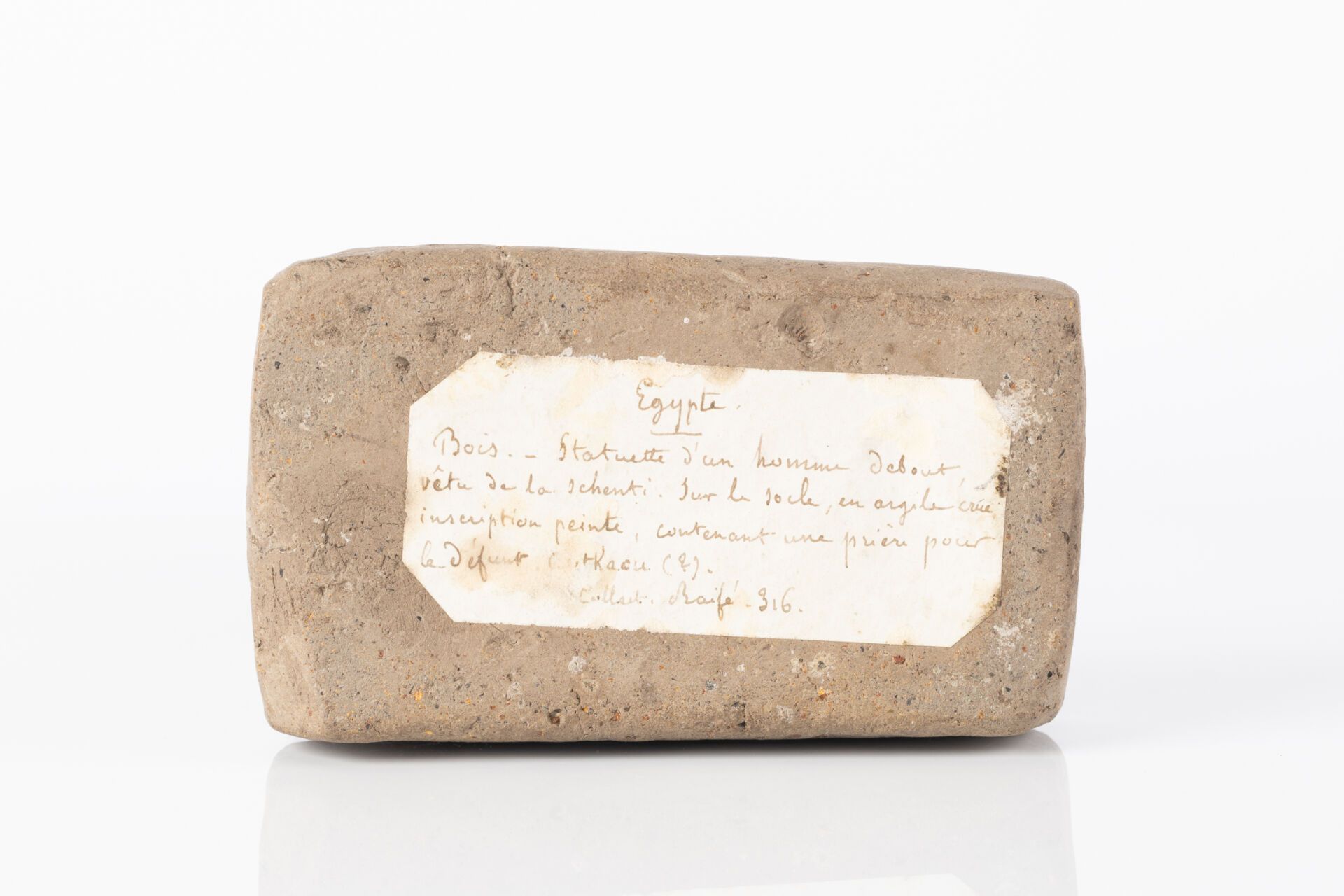 Handwritten note on underside of base recording the piece within the Raifé collection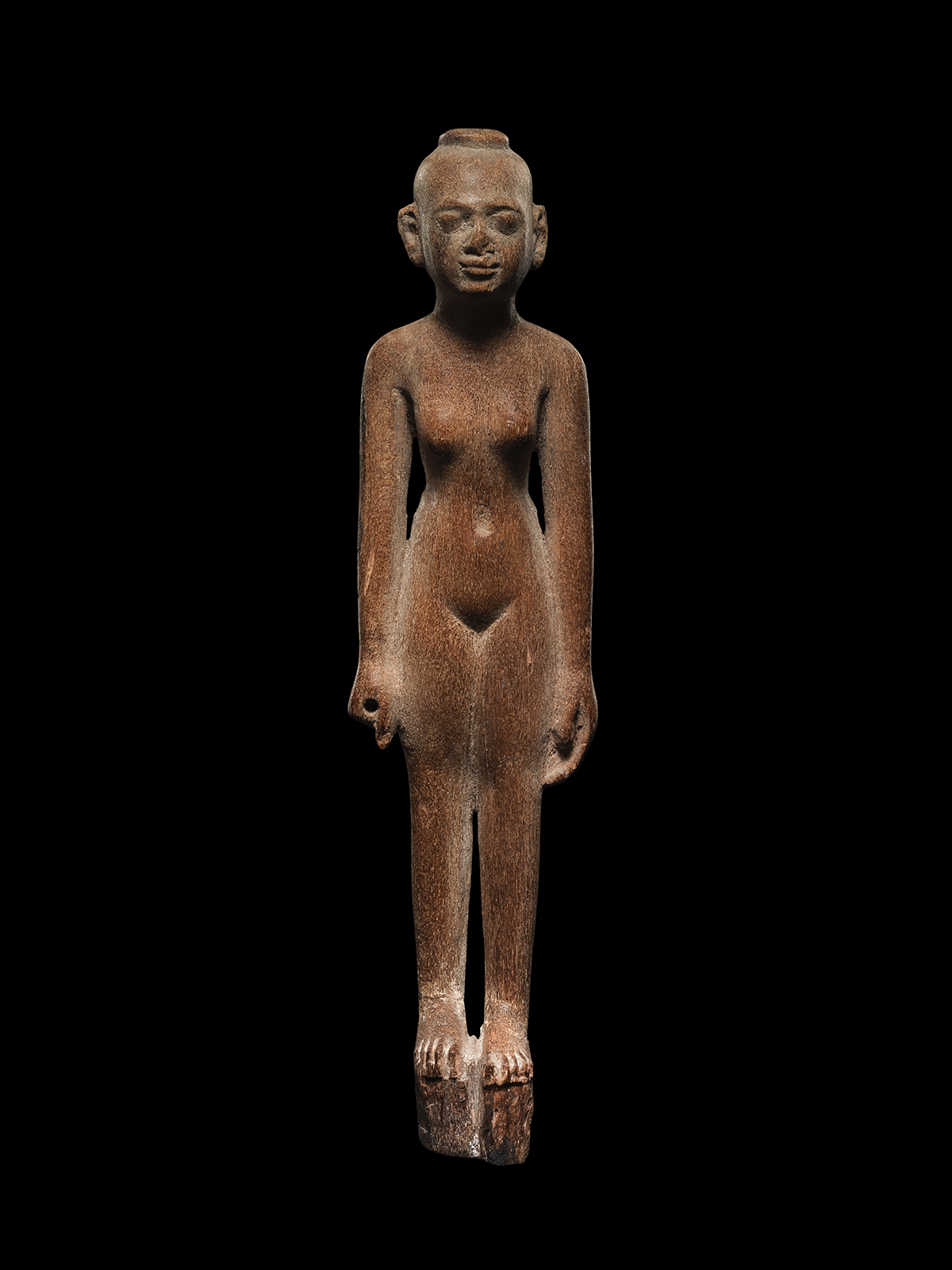
Young Nubian Woman, 18th Dynasty, New Kingdom, Egypt. Image: David Brunetti
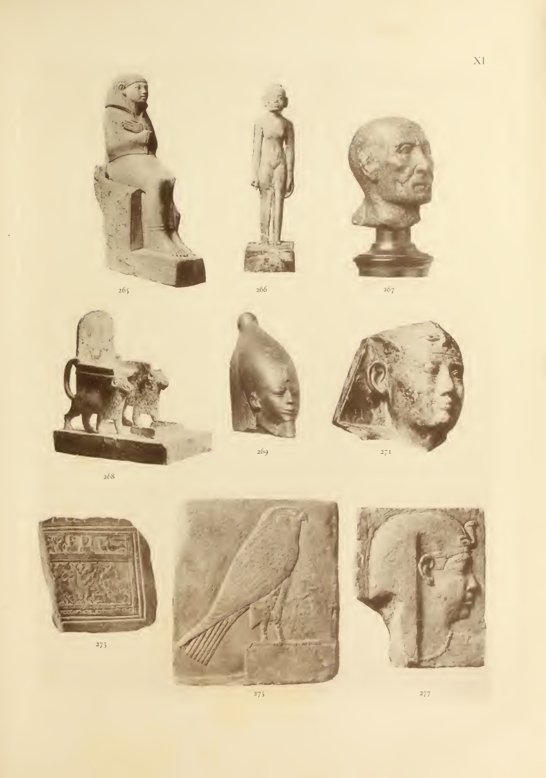
Dr. Ludwig Pollak, Joseph v. Kopf als Sammler (Rome, 1905), no. 266, pl. XI.
This style of wooden statuette was particularly popular during the reign of Amenhotep III (r. 1391-1353 BC or 1388-1351 BC), and this figure may well have served a similar purpose to the tomb statuettes of Amenemheb and Huwebenef now in the Metropolitan Museum of Art, New York (26.7.1413a, b). This pair of brothers were found in the coffin of a woman named Ahhotep Tanodjmu, dedicated to her by their father, Djehuty. It is likely that Ahhotep was the mother of the youths, united with her family in the afterlife through their wooden portraits.
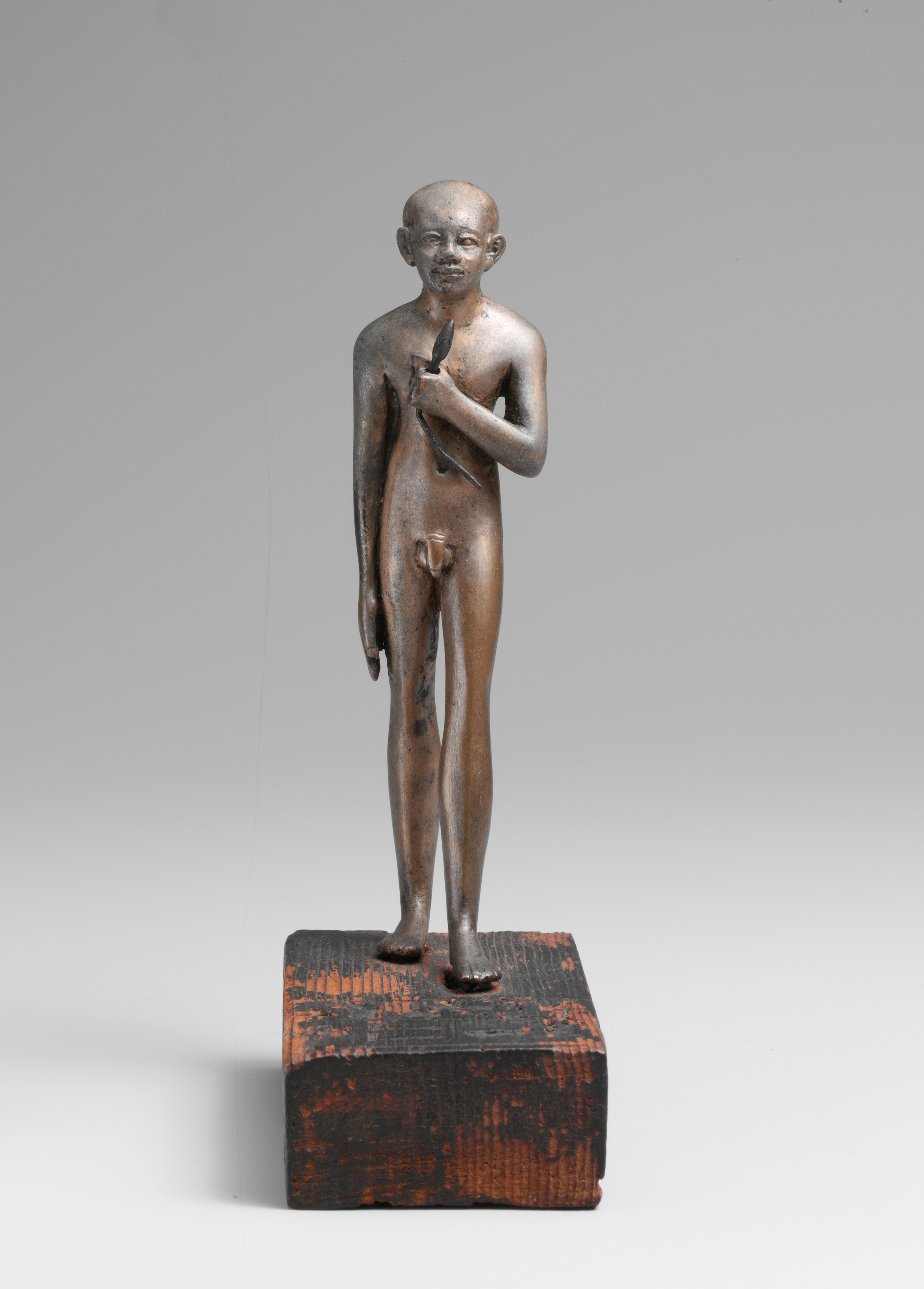
Statuette of the Child, Amenemhab New Kingdom ca. 1550–1479 B.C. Image: Courtesy of Metropolitan Museum of Art
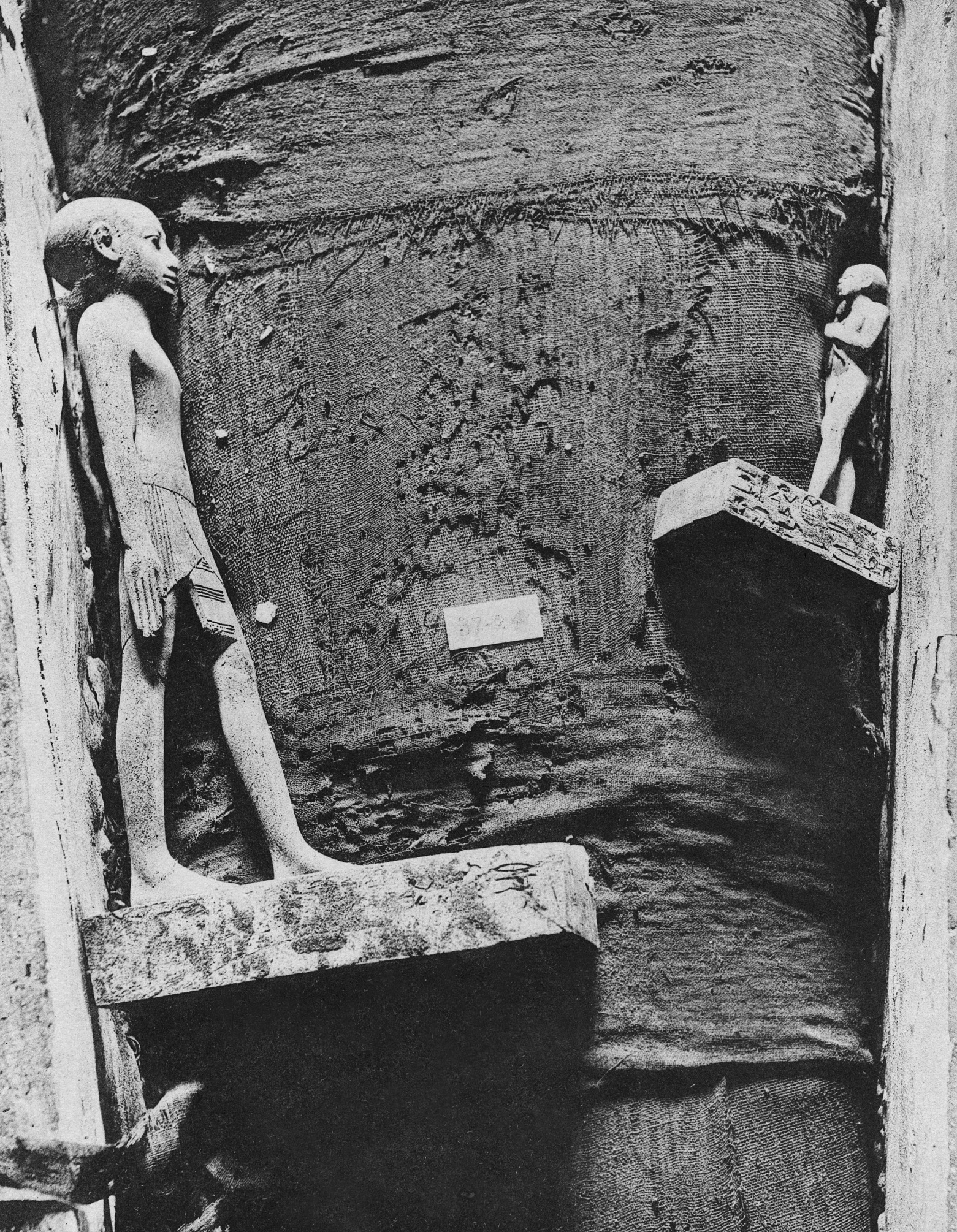
Excavation photo of statuettes of Amenemhab and Huwebenef. Image: Courtesy Metropolitan Museum of Art
The statues and statuettes discussed above demonstrate the versatility and quality of carving displayed by ancient Egyptian wooden sculptures. Wood remained the preferred material for tomb models for thousands of years, demonstrating an enduring appeal that transcended developments in artistic style and changes to funerary rites over time. The appearance of ancient Egyptian wood statuary in esteemed collections throughout the 19th and 20th centuries, and in museums today, reveals how they continue to inspire and connect with people many millennia after their creation.



 Where to find us?
 Newsletter
 Instagram
 Linked in
 Email
Email