Journal
Published 5/8/2025
Published 5/6/2025
Published 5/7/2025
Published 5/8/2025
Published 5/16/2025
Published 5/27/2025
Published 6/25/2025
Published 7/18/2025
Published 10/21/2025
Published 12/19/2025
Published 2/2/2026
Published 2/5/2026
Published 2/11/2026
Published 5/30/2025
Published 2/25/2026
Published 3/2/2026
Published 10/3/2022
Published 3/23/2026
Published 3/25/2026
Published 4/9/2026
Published 4/13/2026
Published 5/4/2020
Published 4/23/2026
Published 4/29/2026
Published 5/7/2026
Published 5/13/2026
Published 5/19/2026
Published 5/26/2026
Published 11/1/2024
Published 10/12/2022
Published 6/12/2026
Published 10/1/2024
Published 6/24/2026
Published 7/3/2026
Published 11/1/2023
Published 7/17/2026
Published 7/20/2026
Published 8/5/2025
Published 11/17/2022
Published 8/6/2026
Published 11/6/2025
Published 11/7/2024
Published 11/5/2024
Published 11/3/2024
Published 8/6/2020
Published 8/6/2020
Published 8/6/2026
Published 8/6/2026
Published 8/6/2026
Published 8/6/2026
Published 1/4/2026
Published 9/5/2024
Published 9/7/2021
Published 1/1/2025
Published 2/2/2025
Published 8/17/2026
Published 8/24/2026
Published 9/1/2026
Published 8/20/2026
Published 9/9/2026
TEFAF Maastricht highlight: A rare Greek stele of a parthenos sheds light on Athenian society and beliefs
Published 16/02/2026

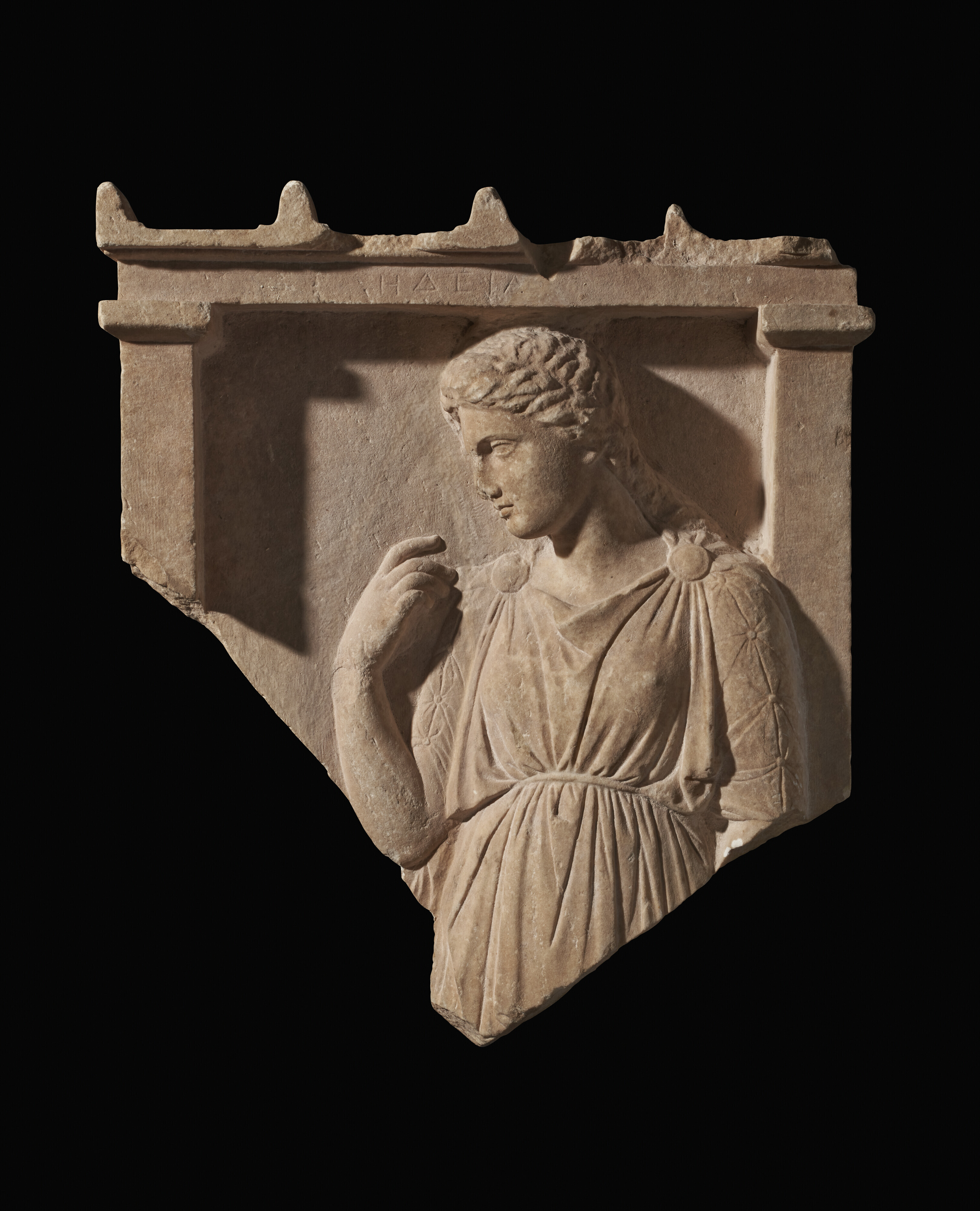
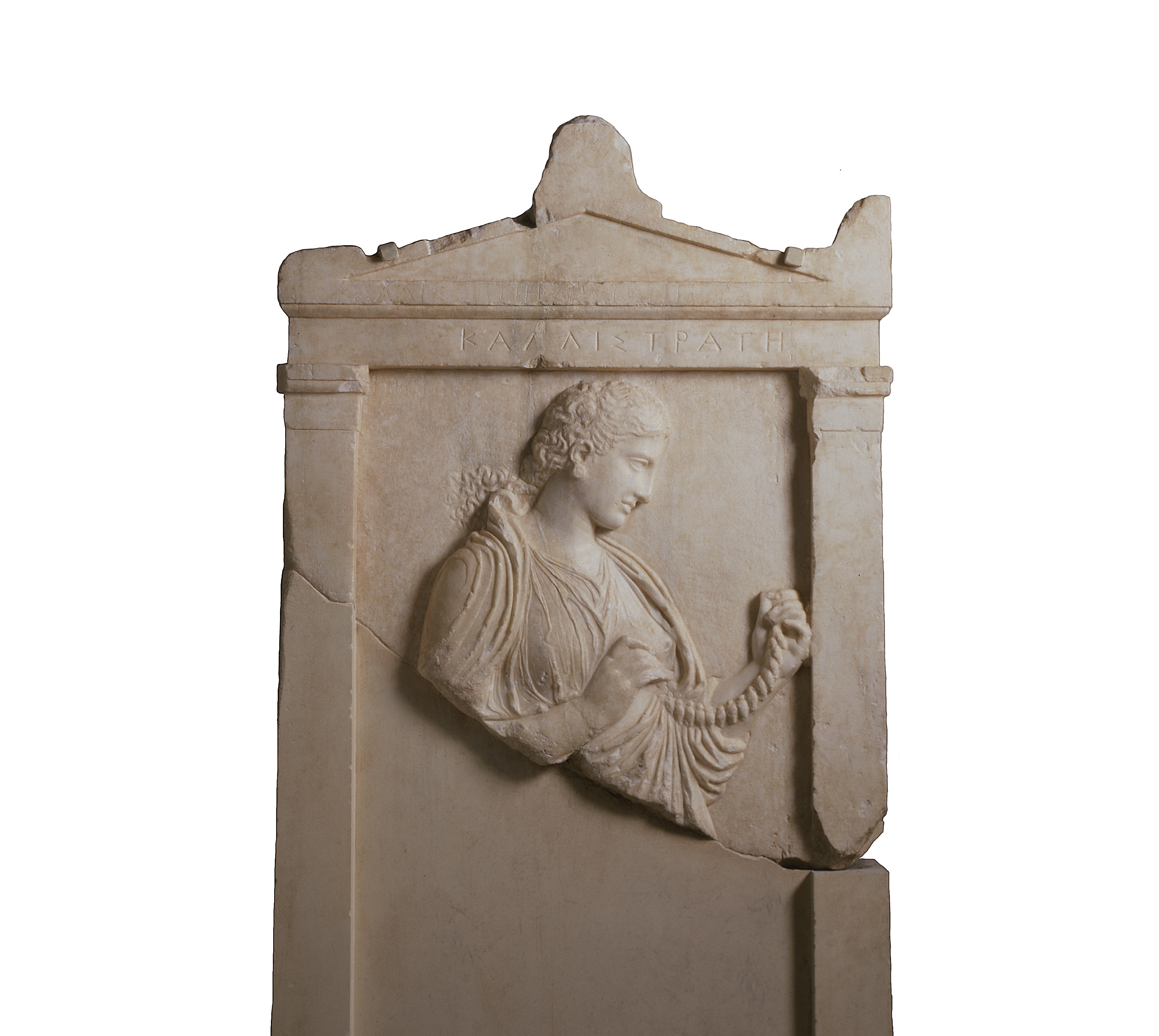
Dated to circa 375-350 B.C., the marble grave stele from the historic Attic region is exceptionally carved in high relief, depicting a young female figure with her right hand raised elegantly towards her shoulder as if holding an object.
Notably, a single line of inscription in the architrave identifies the subject of the piece as a young girl called Medeia.
The subject is depicted within an architectural frame composed of antae – rectangular pillars found in classical Greek and Roman architecture – supporting a horizontal architrave with staggered antefixes pointing upwards above the figure.
The rarity of a parthenos stele
The term ‘parthenoi’ was used to refer to Greek women in the brief transitional stage between childhood and entry into adulthood through marriage; this brevity means their depictions on Attic stelae are scarce. Swiss classical archaeologist Christoph W. Clairmont’s seminal research on Attic tombs further supports the rarity of parthenoi stelae, as they make up only 4% of the funerary reliefs examined across his eight-volume publication.The stele’s subject is recognisable due to her traditional chiton dress: a finely draped tunic, belted around the waist with a back mantle and fastened at the shoulders with large circular brooches. Her distinctive attire marks her as a parthenos, or unmarried young woman.
The importance of parthenoi is reflected in the fine funerary monuments dedicated to them; these monuments form the basis of art historian and archaeologist Linda Jones Roccos’ theory that the death of a parthenos was significant from both a personal and societal perspective, as it removed the possibility of future children being born to support the Athenian cause.
Attic Marble Stelae
Attic marble stelae, produced primarily during the Classical period of ancient Greece, often feature high-relief sculptures depicting the departed in scenes reflecting their societal roles and personal identities. Representations of parthenoi on stelae are particularly poignant and provide valuable insights into Athenian beliefs about life, death, and memory.
Parthenos stelae often portray the deceased in moments of quiet reflection or domestic activity, emphasising their roles within the household and society. At times, a parthenos will be depicted holding an object to reflect their personal interests, such as a book. In the Stele of Medeia, the fingers of the raised hand are curved, as if holding something – Clairmont suggests that she may originally have been holding a painted object that has since worn away.
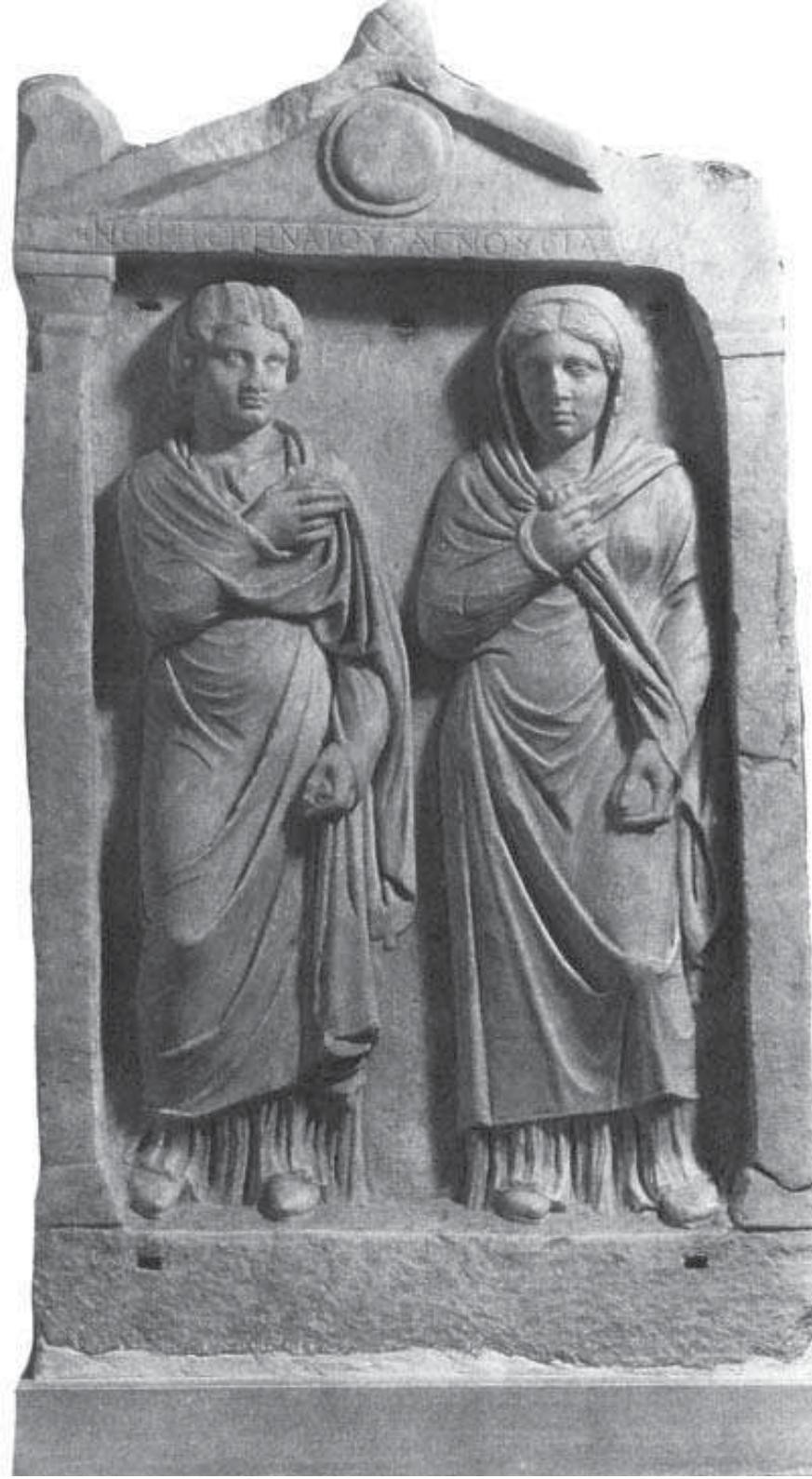
Several museums house exemplary Attic stelae representing or dedicated to parthenoi. The National Archaeological Museum in Athens features the stele of Neike, daughter of Eirenaios (pictured above), which presents the deceased in a dignified pose, reflecting her status and virtues. Similarly, The Metropolitan Museum of Art in New York holds a marble stele from the mid-4th century B.C., depicting a seated woman with a standing attendant, capturing the intimacy and solemnity characteristic of such memorials.
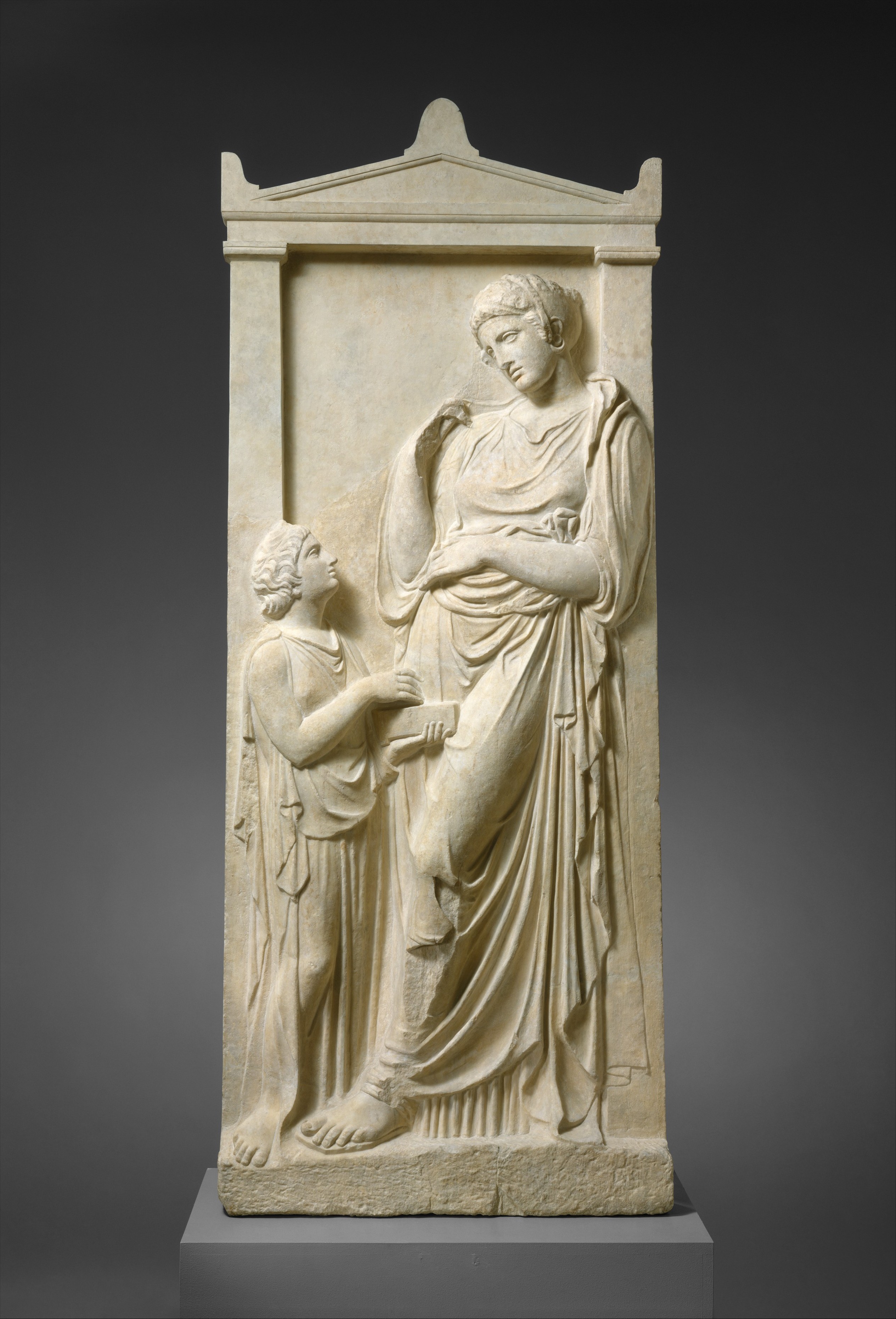
Example of a Marble stele of a young woman and servant, c. 400–390 B.C., The Metropolitan Museum of Art, New York
A story of distinguished provenance
The Stele of Medeia was first recorded in the collection of noted Athenian art dealer Theodoros A. Zoumpoulakis, before being acquired in 1923 by renowned gallerist Joseph Brummer, and remaining with the Brummer family for more than half a century.The Brummers acquired more than 550 pieces from Zoumpoulakis between 1924 and 1946. Many pieces that passed through Zoumpoulakis’s hands are now in major museums around the world, including the Walters Art Museum; Museum of Fine Arts, Boston; The Metropolitan Museum of Art; J. Paul Getty Museum; and the British Museum. A grave stele of a woman much like this example, which was with Zoumpoulakis in 1933, is now in the Saint Louis Art Museum, Missouri (pictured below).
Joseph Brummer established the gallery business in Paris in 1910, with his brothers joining shortly afterwards. In 1914, Joseph and Imre emigrated to New York and established a gallery on 57th Street, rapidly joining the pre-eminent dealers of their time. Meanwhile, Ernest continued the business in Paris and expanded to two locations. From 1924 onwards, the brothers engaged in a transatlantic partnership operating the businesses between New York and Paris.

Joseph Brummer
In a rare administrative quirk, Zoumpoulakis is often referred to as Edward Zoumpoulakis in the Brummer records, and in some of the museums they traded pieces to. This was due to an error in the Brummer’s inventory cards (pictured below), likely based on Zoumpoulakis’s gallery's location on Edward Law Street.
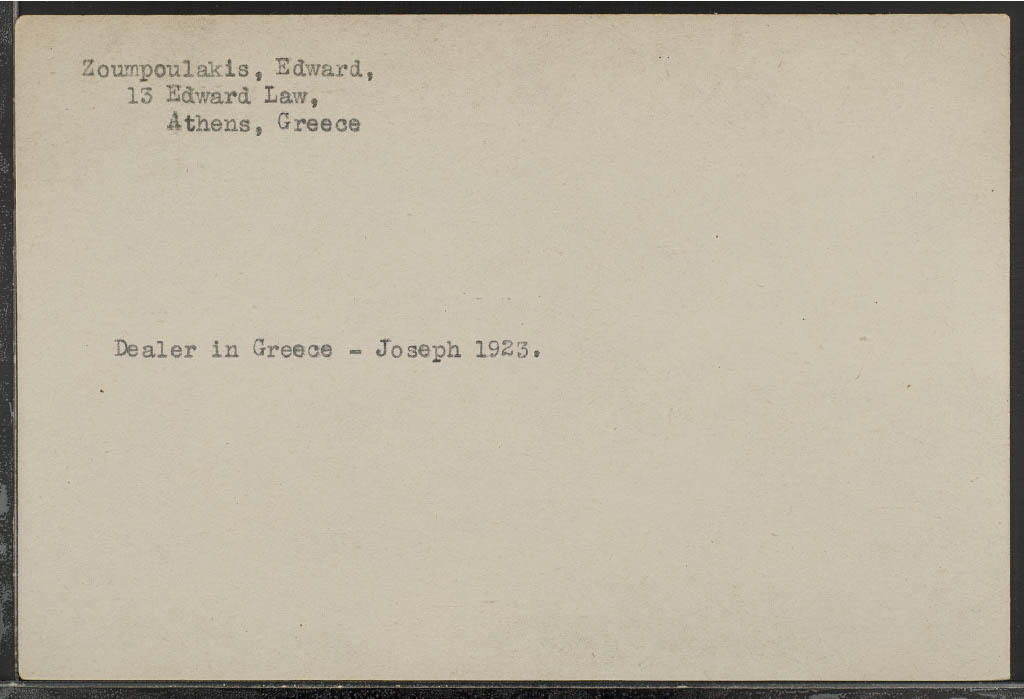 Brummer Gallery dealer card for Zoumpoulakis
 The Metropolitan Museum of Art acquired a significant amount of Joseph's private collection after his passing.
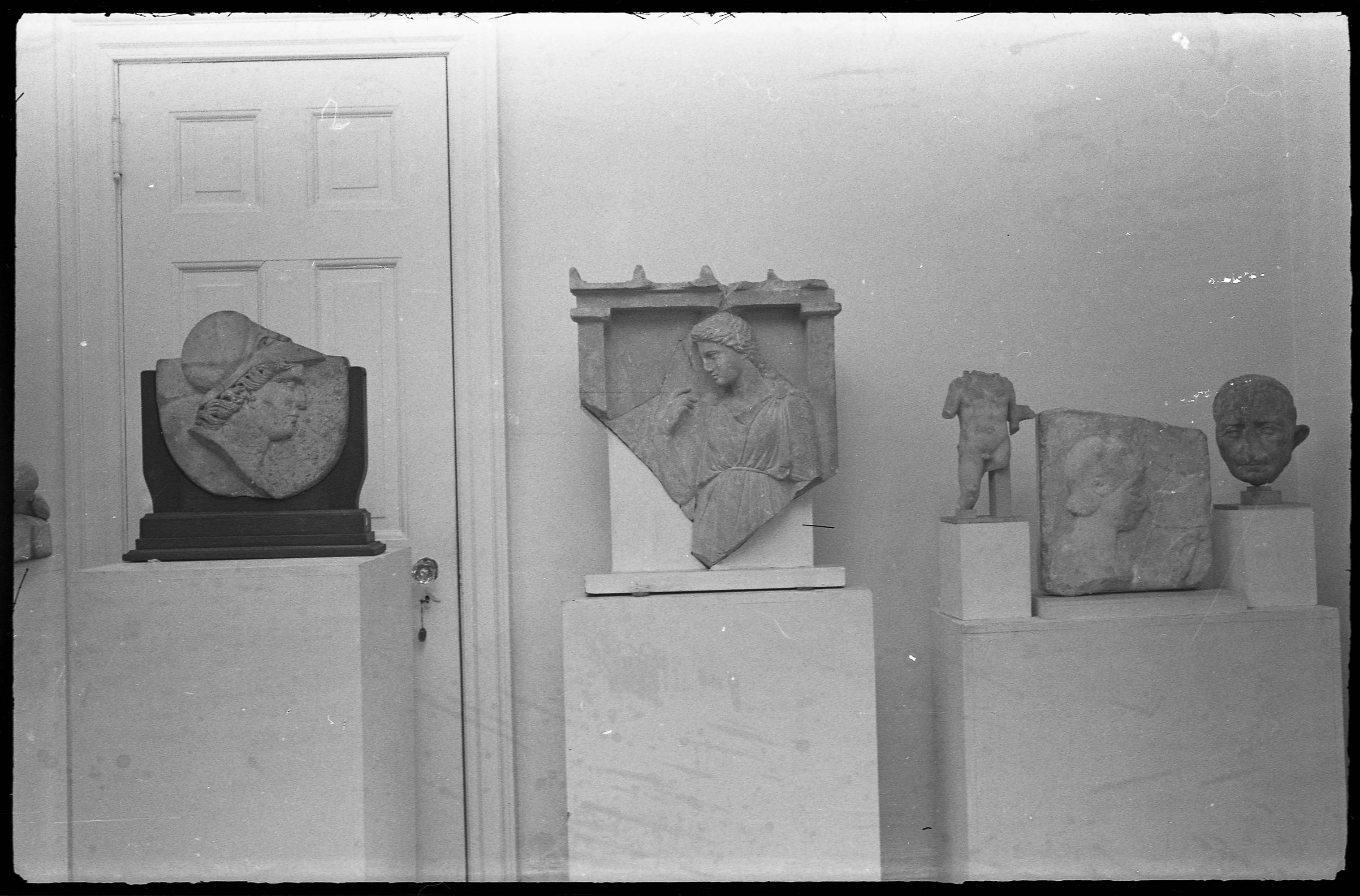
Extensive publication history
The Stele for Medeia has been featured in a number of notable publications and sales catalogues over the course of the 20th and 21st centuries. Scholarly interest in the piece has been sustained across decades. Christoph W. Clairmont discussed the stele in his seminal work, Classical Attic Tombstones, vol. 1. It is further referenced by Johannes Bergemann in Demos und Thanatos and by Linda Jones Roccos in her article ‘Back-Mantle and Peplos. The Special Costume of Greek Maidens in 4th-Century Funerary and Votive Reliefs’.
More recently, the stele has been revisited by Katia Margariti in her monograph The Death of the Maiden in Classical Athens and in her article ‘Lament and Death instead of Marriage. The Iconography of Deceased Maidens on Attic Grave Reliefs of the Classical Period’.
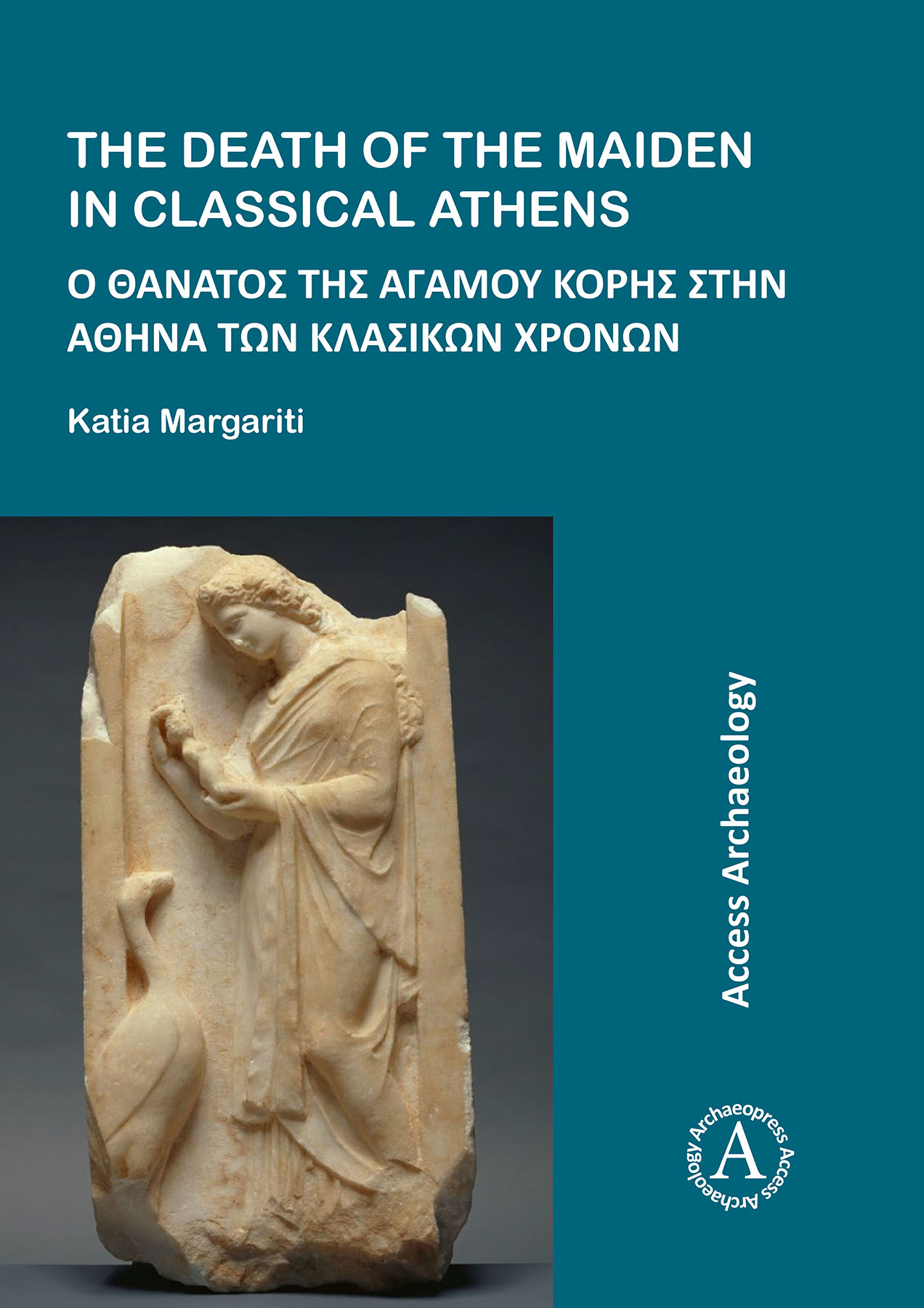
The Death of the Maiden in Classical Athens by Katia Margariti
This rare Greek grave stele is an exceptional museum-quality monument whose beauty is matched only by its cultural significance. The Stele will be on display in David Aaron’s TEFAF Maastricht stand, number 804, from 14 – 19 March 2026



 Where to find us?
 Newsletter
 Instagram
 Linked in
 Email
Email