Journal
Published 5/8/2025
Published 5/6/2025
Published 5/7/2025
Published 5/8/2025
Published 5/16/2025
Published 5/27/2025
Published 6/25/2025
Published 7/18/2025
Published 10/21/2025
Published 12/19/2025
Published 2/2/2026
Published 2/5/2026
Published 2/11/2026
Published 2/16/2026
Published 5/30/2025
Published 3/2/2026
Published 10/3/2022
Published 3/23/2026
Published 3/25/2026
Published 4/9/2026
Published 4/13/2026
Published 5/4/2020
Published 4/23/2026
Published 4/29/2026
Published 5/7/2026
Published 5/13/2026
Published 5/19/2026
Published 5/26/2026
Published 11/1/2024
Published 10/12/2022
Published 6/12/2026
Published 10/1/2024
Published 6/24/2026
Published 7/3/2026
Published 11/1/2023
Published 7/17/2026
Published 7/20/2026
Published 8/5/2025
Published 11/17/2022
Published 8/6/2026
Published 11/6/2025
Published 11/7/2024
Published 11/5/2024
Published 11/3/2024
Published 8/6/2020
Published 8/6/2020
Published 8/6/2026
Published 8/6/2026
Published 8/6/2026
Published 8/6/2026
Published 1/4/2026
Published 9/5/2024
Published 9/7/2021
Published 1/1/2025
Published 2/2/2025
Published 8/17/2026
Published 8/24/2026
Published 9/1/2026
Published 8/20/2026
Published 9/9/2026
Cross-Cultural Connections: Humanity in Abstracted Form
Published 25/02/2026

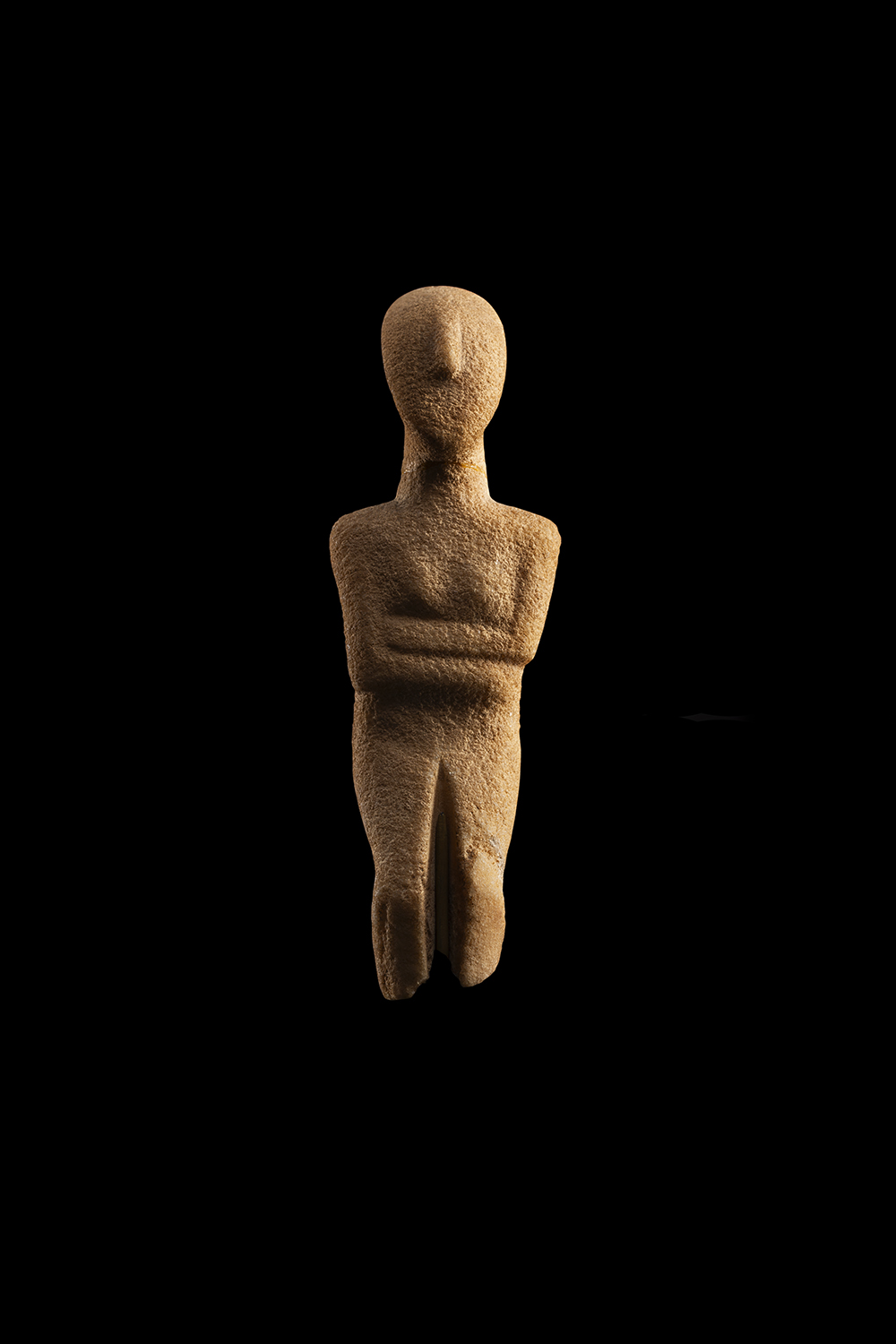
Cycladic idols
In the sculptures of the Neolithic Cycladic period, the human body is rendered in the simplest of outlines. The majority of Cycladic idols are depicted in standing pose, with legs together and arms by their sides. The limbs are separated from the body with incised lines, sometimes with additional details of an incised line for a spine, or a triangular outline of the pubic region. The heads sit atop slender necks, generally with only a triangular nose sculpted (although research has shown the other facial features were often painted on). The meaning and use of these figures remains uncertain, and is likely to have changed over the five centuries in which they were produced.Although some scholars have suggested the idols were linked to fertility and a ‘Great Mother’ goddess – certain figures have modelled breasts and even a rounded stomach, suggesting pregnancy (image reference above) – many Cycladic sculptures present an androgyny, or a clear masculinity, that defies this. Other scholars have theorised that the idols may have been produced for funerary or apotropaic purposes.
Fertility Figures
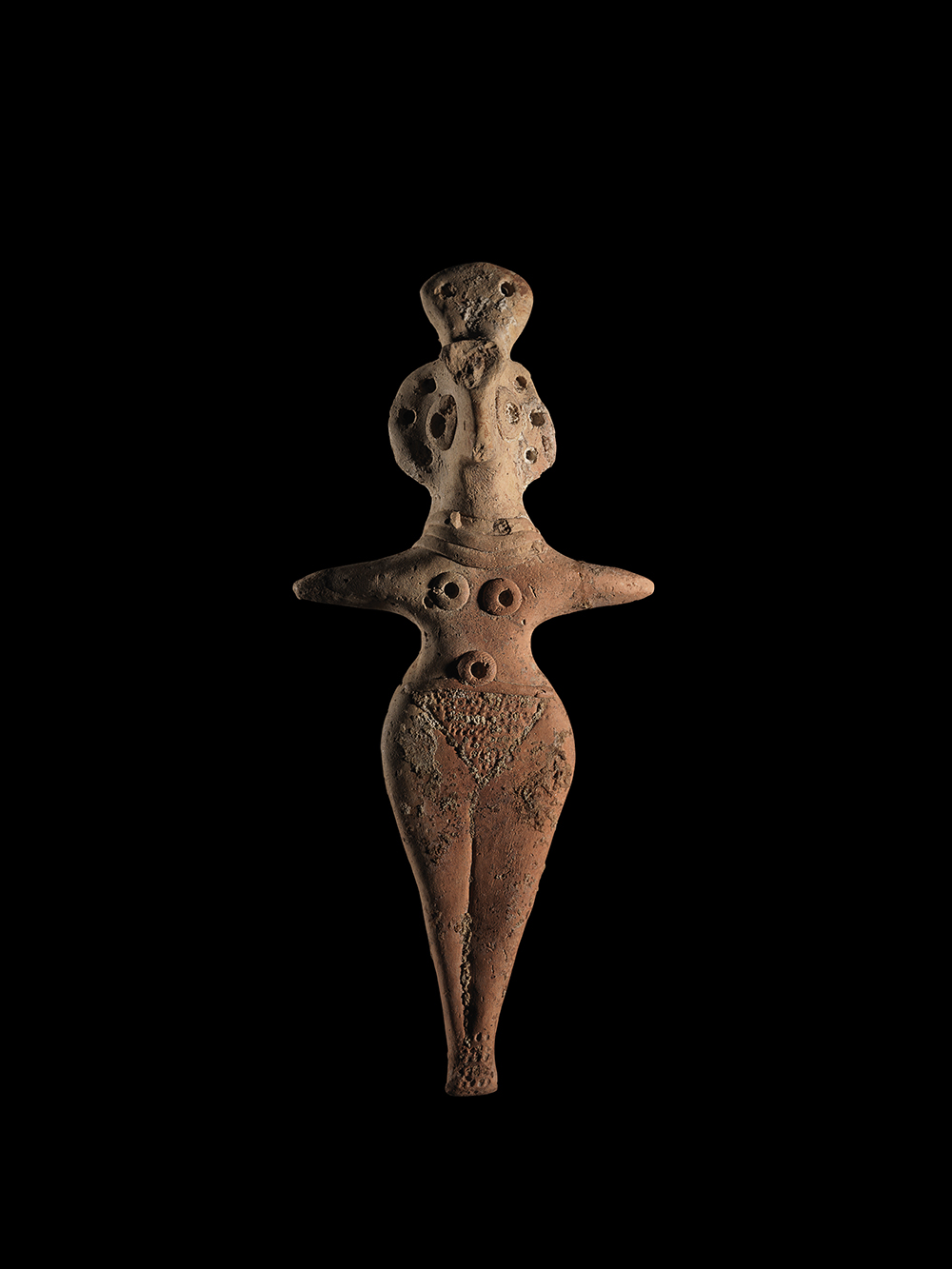
Female Idol, Syro-Hittite, 2000-1500 B.C. Image courtesy David Aaron
Anatolian Idols
At the other end of the abstract scale exists the Kusura Type, also referred to as ‘violin idols’ due to their resemblance to the string instrument. These near two-dimensional figures feature ovoid forms at either end (the ‘head’ and ‘body’), with two triangular projections or ‘arms’ on either side of a slender ‘neck’.
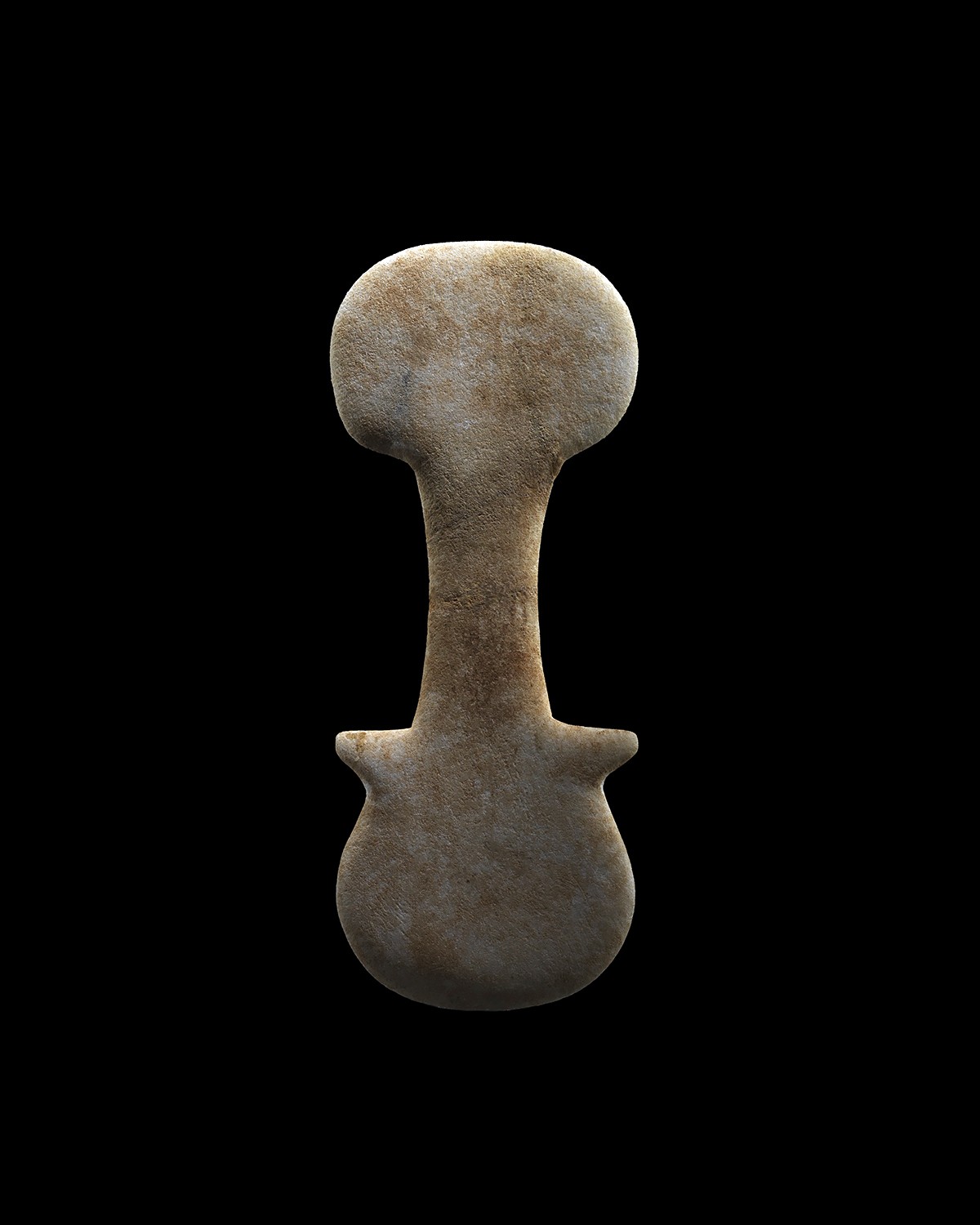
Although each of these figures were crafted by disparate cultures at different times and geographical locations, there is a clear thread of commonality stretching between them. From the marble works of a group of small Greek islands, to the terracotta sculptures of inland Iran, to the highly stylised creations of ancient Anatolia, abstract and abstracted idols represent humanity’s quest to capture its own image.
In their most reduced state, these idols still retain the essence of the body: a head, limbs, and torso. Even when representations are removed from naturalism, our modern eyes can easily recognise these idols as the image of our ancient counterparts. Whatever the specific purposes for which these figures were created, they all represent a common drive to record the human form in art. The enduring legacy produced by these idols continues to inspire artists to this day, and remains one of the few extant pieces of evidence that allows us to engage with ancient civilisations.
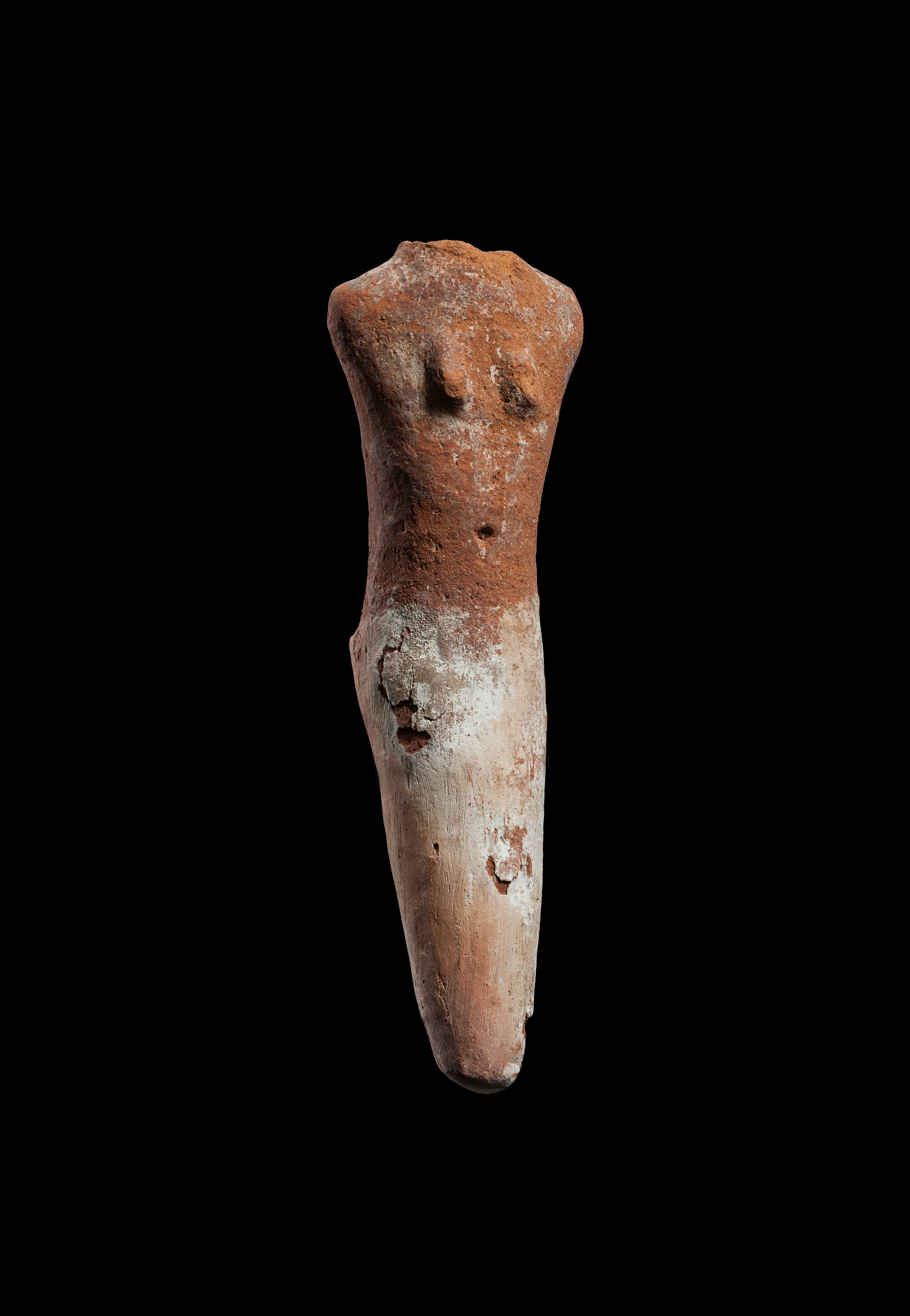
Pre-Dynastic Female Idol. Naqada II, Pre-Dynastic period, c.3600-3300 B.C., Egypt. Image: Courtesy David Aaron



 Where to find us?
 Newsletter
 Instagram
 Linked in
 Email
Email