Journal
Published 5/8/2025
Published 5/6/2025
Published 5/7/2025
Published 5/8/2025
Published 5/16/2025
Published 5/27/2025
Published 6/25/2025
Published 7/18/2025
Published 10/21/2025
Published 12/19/2025
Published 2/2/2026
Published 2/5/2026
Published 2/11/2026
Published 2/16/2026
Published 5/30/2025
Published 2/25/2026
Published 3/2/2026
Published 10/3/2022
Published 3/23/2026
Published 3/25/2026
Published 4/9/2026
Published 4/13/2026
Published 5/4/2020
Published 4/23/2026
Published 4/29/2026
Published 5/7/2026
Published 5/13/2026
Published 5/19/2026
Published 5/26/2026
Published 11/1/2024
Published 10/12/2022
Published 6/12/2026
Published 10/1/2024
Published 7/3/2026
Published 11/1/2023
Published 7/17/2026
Published 7/20/2026
Published 8/5/2025
Published 11/17/2022
Published 8/6/2026
Published 11/6/2025
Published 11/7/2024
Published 11/5/2024
Published 11/3/2024
Published 8/6/2020
Published 8/6/2020
Published 8/6/2026
Published 8/6/2026
Published 8/6/2026
Published 8/6/2026
Published 1/4/2026
Published 9/5/2024
Published 9/7/2021
Published 1/1/2025
Published 2/2/2025
Published 8/17/2026
Published 8/24/2026
Published 9/1/2026
Published 8/20/2026
Published 9/9/2026
Bridging eras: Incorporating antiquities into modern interior design
Published 24/06/2026

This striking harmony was demonstrated when the opportunity arose to work with the exceptional creative team at architecture and interior design practice BANDA. Last year, David Aaron had the privilege of contributing a curated selection of Classical pieces to complement the interiors of Ashburn House, a Victorian townhouse in London redesigned by BANDA over a three-year period.
The collaboration pairs historical architecture and exquisite Classical Greek, Roman, and Islamic pieces from David Aaron with a thoughtfully designed modern interior space.
 Ashburn House by BANDA. Image: Mark Anthony Fox courtesy of BANDA
 It was wonderful to see pieces from the gallery displayed in such a considered domestic setting through this collaboration, a first for the David Aaron gallery.
Considerations for designing with antiquities
For collectors and design enthusiasts looking to incorporate historical narratives into their own spaces, we have compiled tips to consider when starting this process:
1. Prioritise aesthetic preference
When acquiring ancient art with the intention to display it in your home, your primary guide should be personal aesthetic alignment with the piece - consider forms, textures, or silhouettes that resonate on a personal level. When choosing a piece think about how it complements your visual sensibilities and enhances the atmosphere you wish to cultivate in your day-to-day living space.
2. Seek quality and provenance
While aesthetics may ignite the initial passion, rigorous standards of quality and provenance provide the essential foundation for any acquisition and building a collection. It is important to source pieces from reputable dealers with verifiable provenance of ownership and legal compliance. Further, pieces of exceptional quality ensure you are building a collection that is not only aesthetically strong but can be passed down to future generations.
3. Embrace eclecticism
Don’t feel restricted to a single civilisation or chronological era. Some of the most compelling modern spaces derive their energy from cross-cultural eclecticism. Consider pairing the crisp, structured geometry of an Egyptian relief with the fluid, idealised naturalism of a Roman marble sculpture. Intertwining different periods prevents the space from looking overly curated or historical. This eclectic mix, paired with more modern spaces and furniture, will result in a rich, layered aesthetic that feels organically assembled over time.
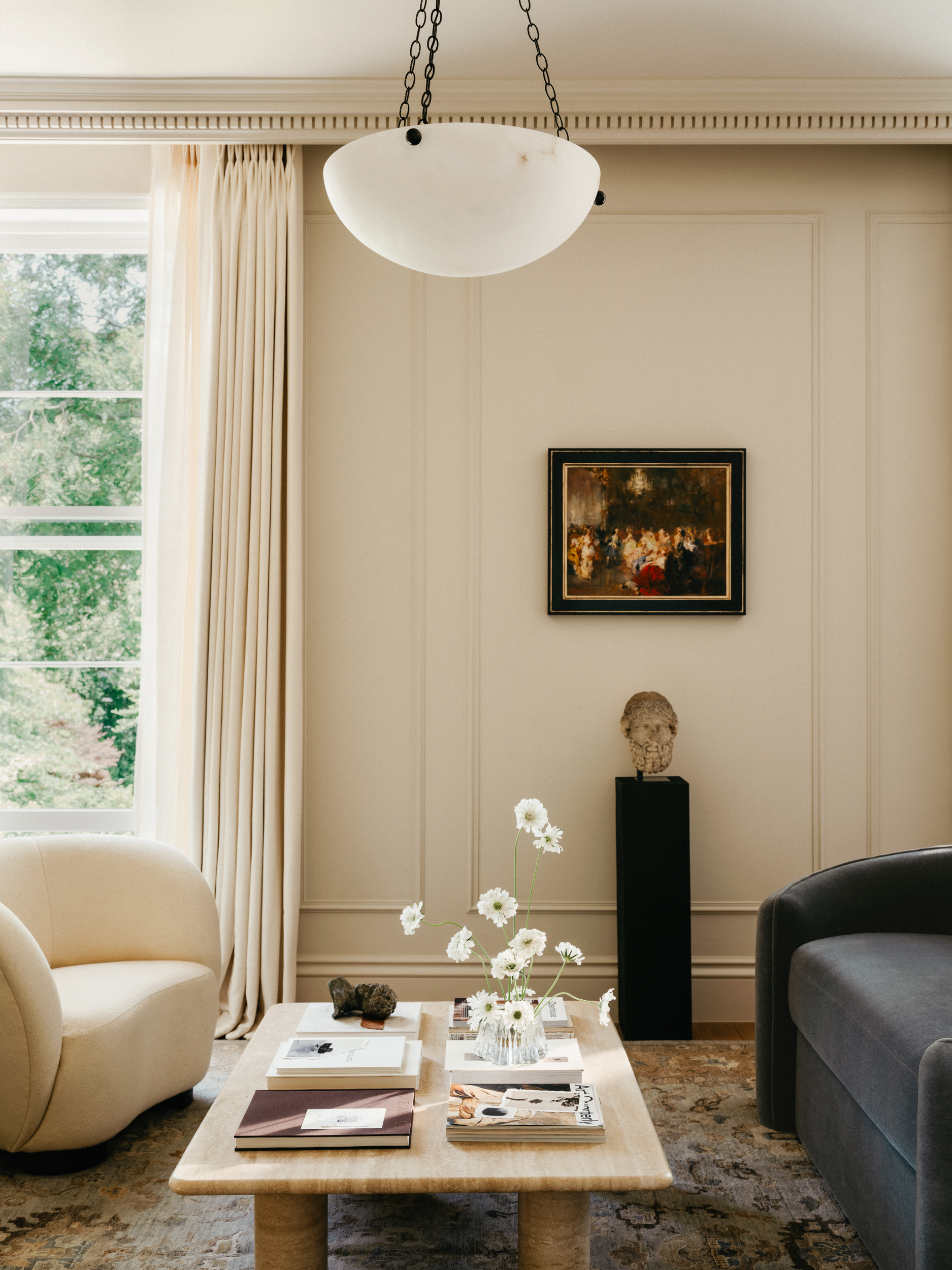
Ashburn House by BANDA. Image: Mark Anthony Fox courtesy of BANDA
4. Cultivate contrast to define the space
Incorporating antiquities into contemporary design creates contrast. As seen in the Ashburn House project, positioning an ancient artwork in a modern setting with minimalist furniture, or contemporary textiles allows both elements to shine. The pristine surfaces of modern architecture can serve to illuminate the age and intricate details of antiquities.
Looking forward
At David Aaron, we are continually inspired by how ancient masterpieces find new life in modern contexts and this collaboration was an excellent example of executing this.



 Where to find us?
 Newsletter
 Instagram
 Linked in
 Email
Email