Journal
Published 5/6/2025
Published 5/7/2025
Published 5/8/2025
Published 5/16/2025
Published 5/27/2025
Published 6/25/2025
Published 7/18/2025
Published 10/21/2025
Published 12/19/2025
Published 2/2/2026
Published 2/5/2026
Published 2/11/2026
Published 2/16/2026
Published 5/30/2025
Published 2/25/2026
Published 3/2/2026
Published 10/3/2022
Published 3/23/2026
Published 3/25/2026
Published 4/9/2026
Published 4/13/2026
Published 5/4/2020
Published 4/23/2026
Published 4/29/2026
Published 5/7/2026
Published 5/13/2026
Published 5/19/2026
Published 5/26/2026
Published 11/1/2024
Published 10/12/2022
Published 6/12/2026
Published 10/1/2024
Published 6/24/2026
Published 7/3/2026
Published 11/1/2023
Published 7/17/2026
Published 7/20/2026
Published 8/5/2025
Published 11/17/2022
Published 8/6/2026
Published 11/6/2025
Published 11/7/2024
Published 11/5/2024
Published 11/3/2024
Published 8/6/2020
Published 8/6/2020
Published 8/6/2026
Published 8/6/2026
Published 8/6/2026
Published 8/6/2026
Published 1/4/2026
Published 9/5/2024
Published 9/7/2021
Published 1/1/2025
Published 2/2/2025
Published 8/17/2026
Published 8/24/2026
Published 9/1/2026
Published 8/20/2026
Published 9/9/2026
The Artist as Collector: Jacob Epstein
Published 08/05/2025
Read time: 5min
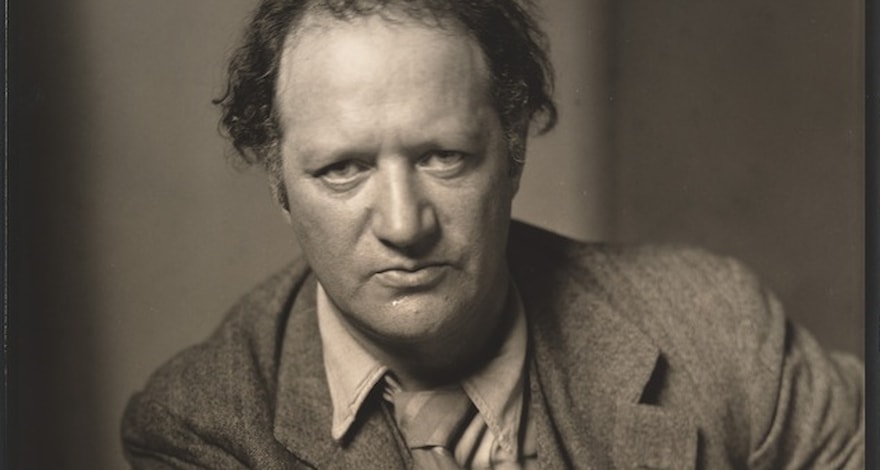
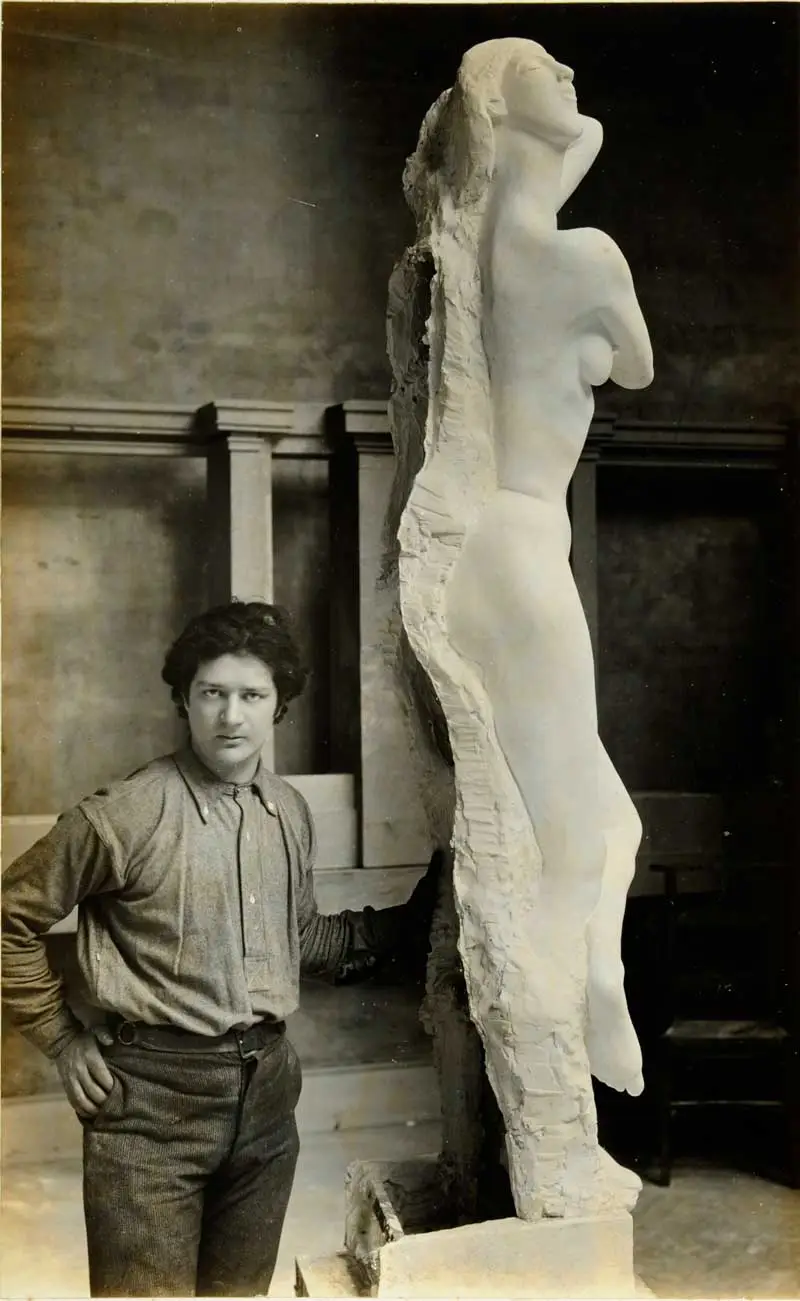
Jacob Epstein at work on one of the statues for the British Medical Association building, The Sketch (8 July 1908)
In Paris, Epstein studied sculpture at the Académie Julian and the École des Beaux-Arts; though his studies ended prematurely at the latter after his studio was destroyed as punishment for his refusal to perform menial tasks for the entrants in the Prix de Rome Concours. He visited the Louvre and saw artworks from outside the Western canon that were less known in Europe at that time, including early Greek work, Cycladic sculpture, the Lady of Elche bust, and the limestone bust of Akhenaten. At the Trocadéro and the Musée Cernusci, he observed what was then known as ‘primitive’ sculpture and Chinese art. In 1905, Epstein moved to London, where he would live for most of the rest of his life – he married Margaret Dunlop in 1906, and took British citizenship in 1911. Epstein spent a great deal of time in the British Museum, studying the Elgin Marbles and other Greek, Egyptian, African, and Polynesian sculptures, and used his observations to develop his own sculptural technique.
In 1907-8, Epstein was invited by architect Charles Holden to carve eighteen over-life-size figures for the façade of the British Medical Association’s new headquarters in The Strand. For this work, Epstein drew from the ancient and ‘primitive’ works he had studied, and suggested a series of nudes, ‘to express in sculpture the great primal facts of men and women’. According to his 1940 autobiography, Let There Be Sculpture, Epstein was taken completely by surprise at the level of vitriol and controversy sparked by this commission. Though many known figures and artists defended his pieces, public outcry made Epstein a household name and was to follow him throughout his career. For instance, the tomb he carved with Eric Gill for Oscar Wilde in Paris in 1911-12 and his 1915 Rock Drill sculpture prompted similar responses. One critic described Epstein as ‘a sculptor in revolt, who is in deadly conflict with the ideas of current sculpture’. His contemporary Henry Moore praised Epstein for unflinchingly bearing the weight of prejudice and hostility to forge a path for those sculptors who followed him, and expressed great gratitude for Epstein’s courage.
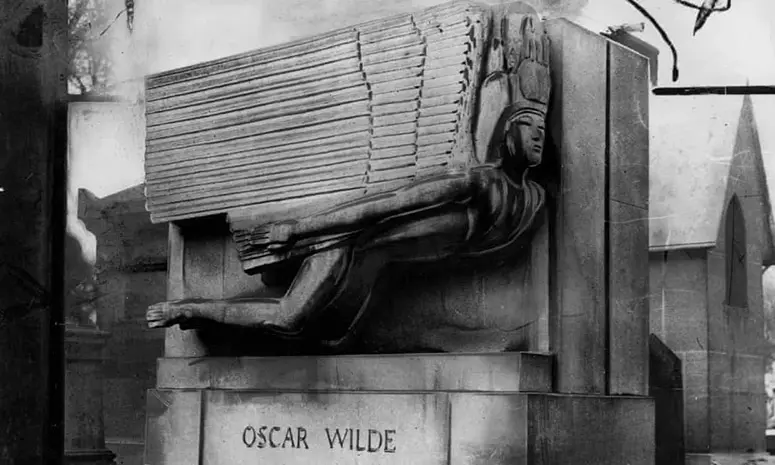
Oscar Wilde's tomb, located in Père Lachaise Cemetery, Paris.
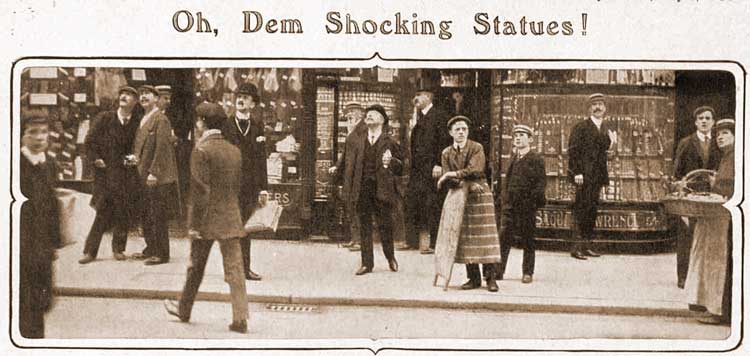
‘Pedestrians on the Strand eagerly gazing up at the building of the British Medical Association, in search of the statues which the papers said were rather shocking and ought to be suppressed.’ From The Bystander (1st July, 1908).
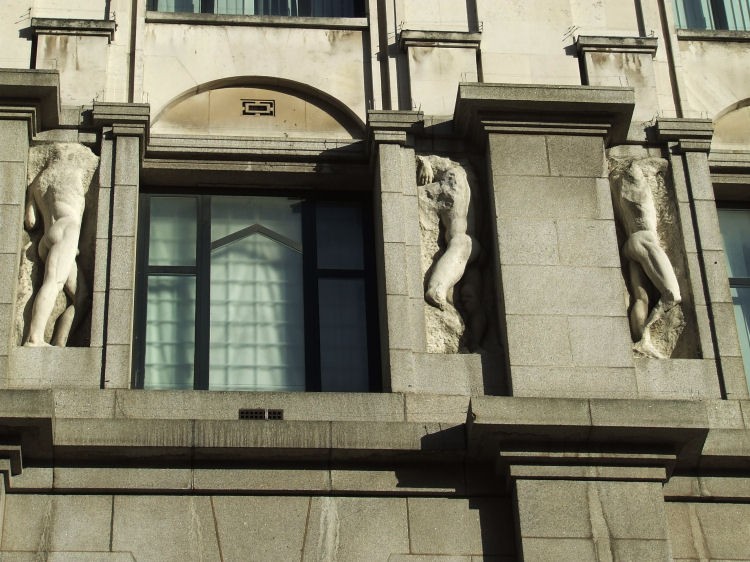
Three nude male figures from the Ages of Man series, former British Medical Association building, now Zimbabwe House, The Strand, London.
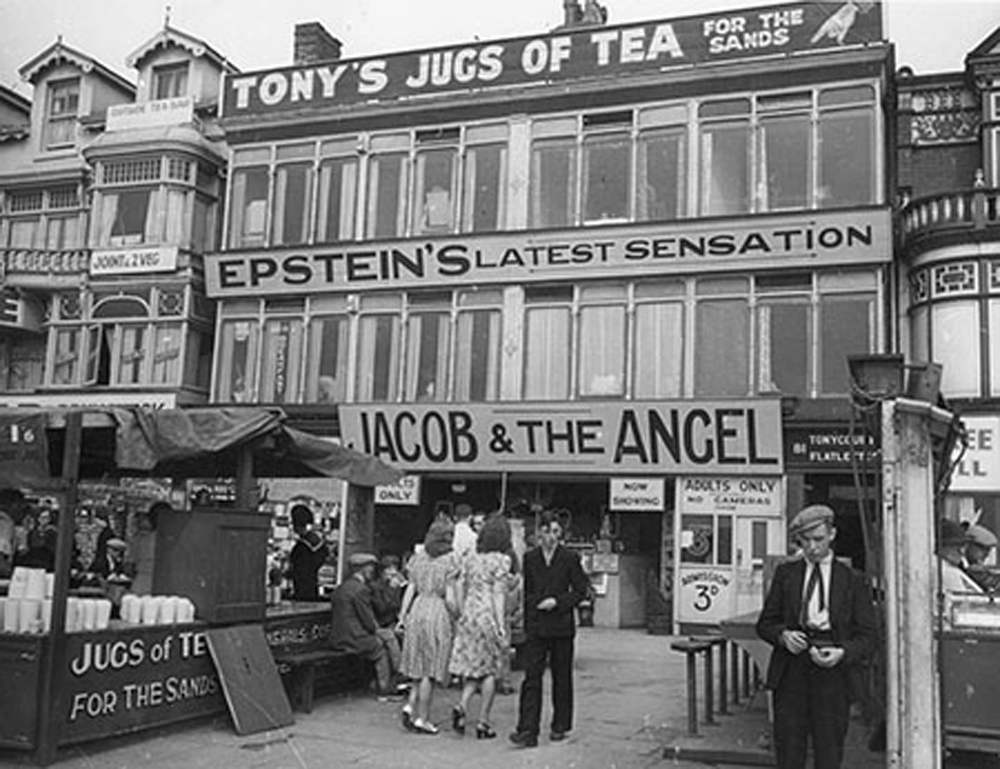
Signs advertising Epstein’s Jacob and the Angel (1940-1) at Louis Tussaud’s Waxworks, Blackpool
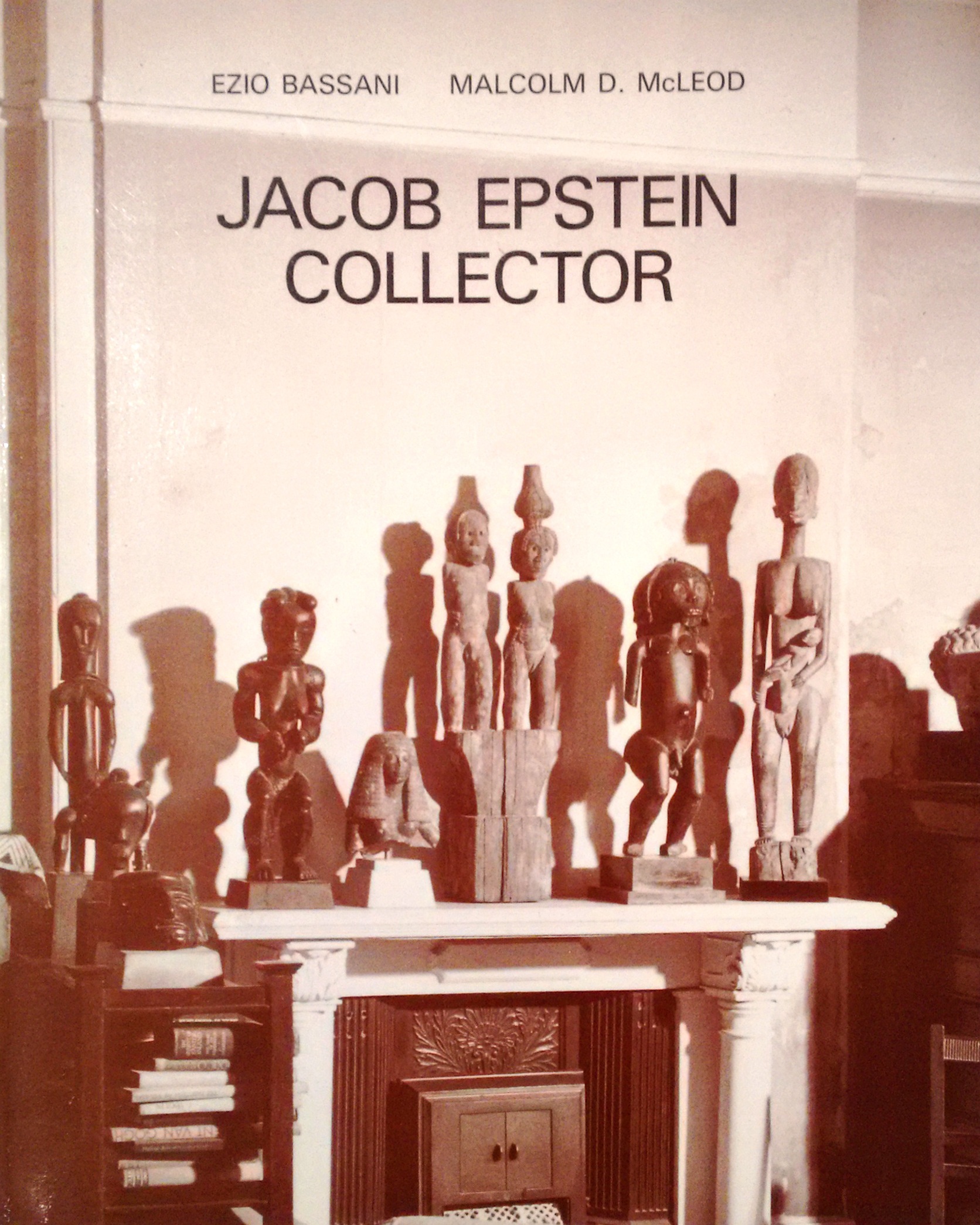
'Jacob Epstein Collector', front cover showing the interior of Epstein's home and some of his collection of African art. Published by Associazione Poro (Milan, Italy, 1989)
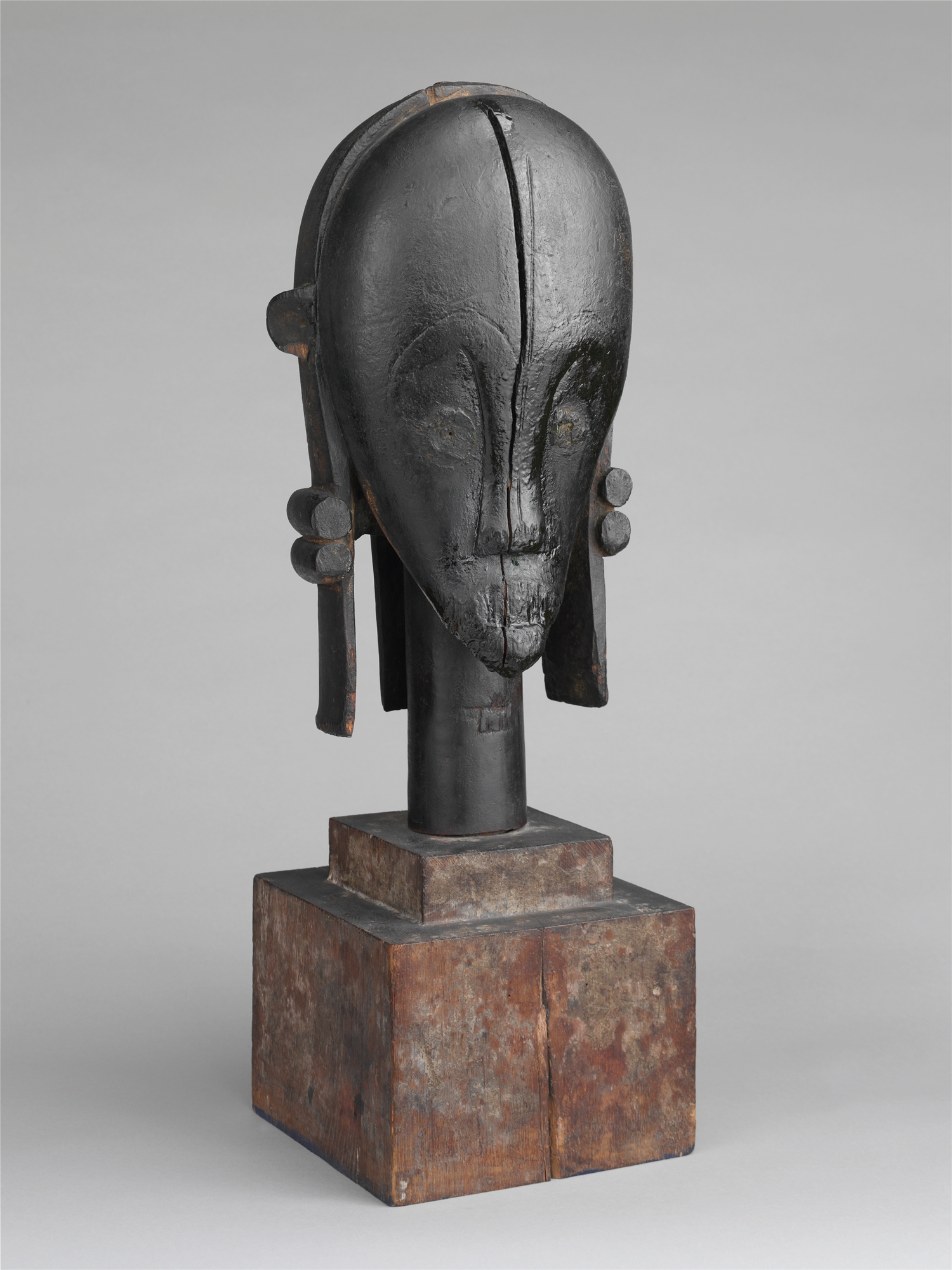
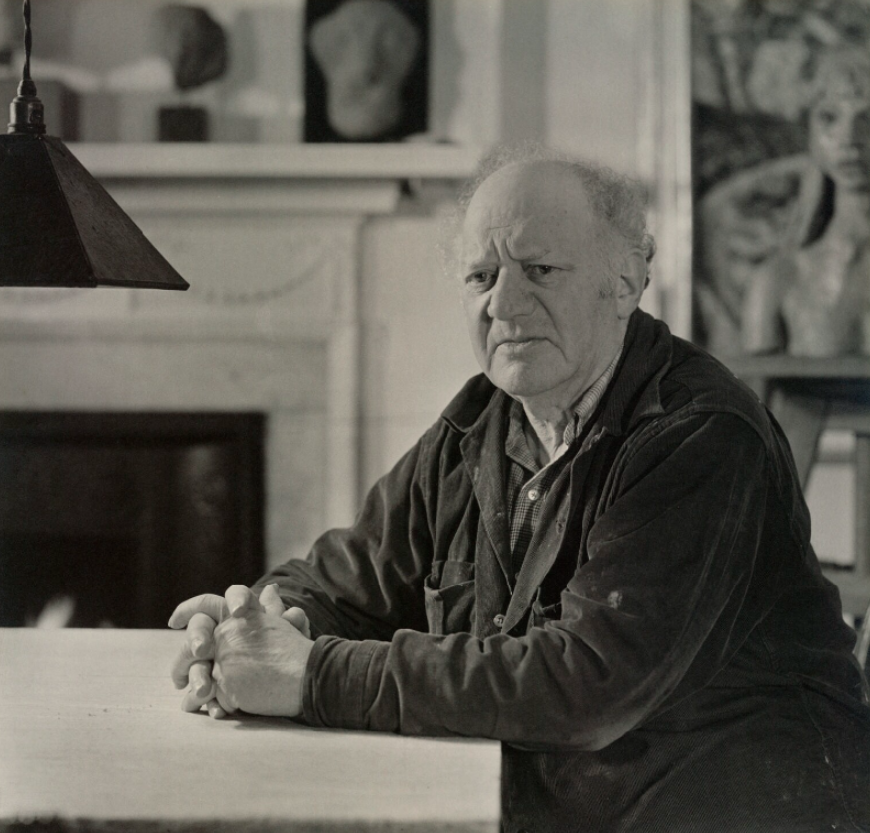
Portrait of Jacob Epstein, Geoffrey Ireland. Ancient Egyptian items from Epstein’s collection can be seen on the mantlepiece behind him. National Portrait Gallery.
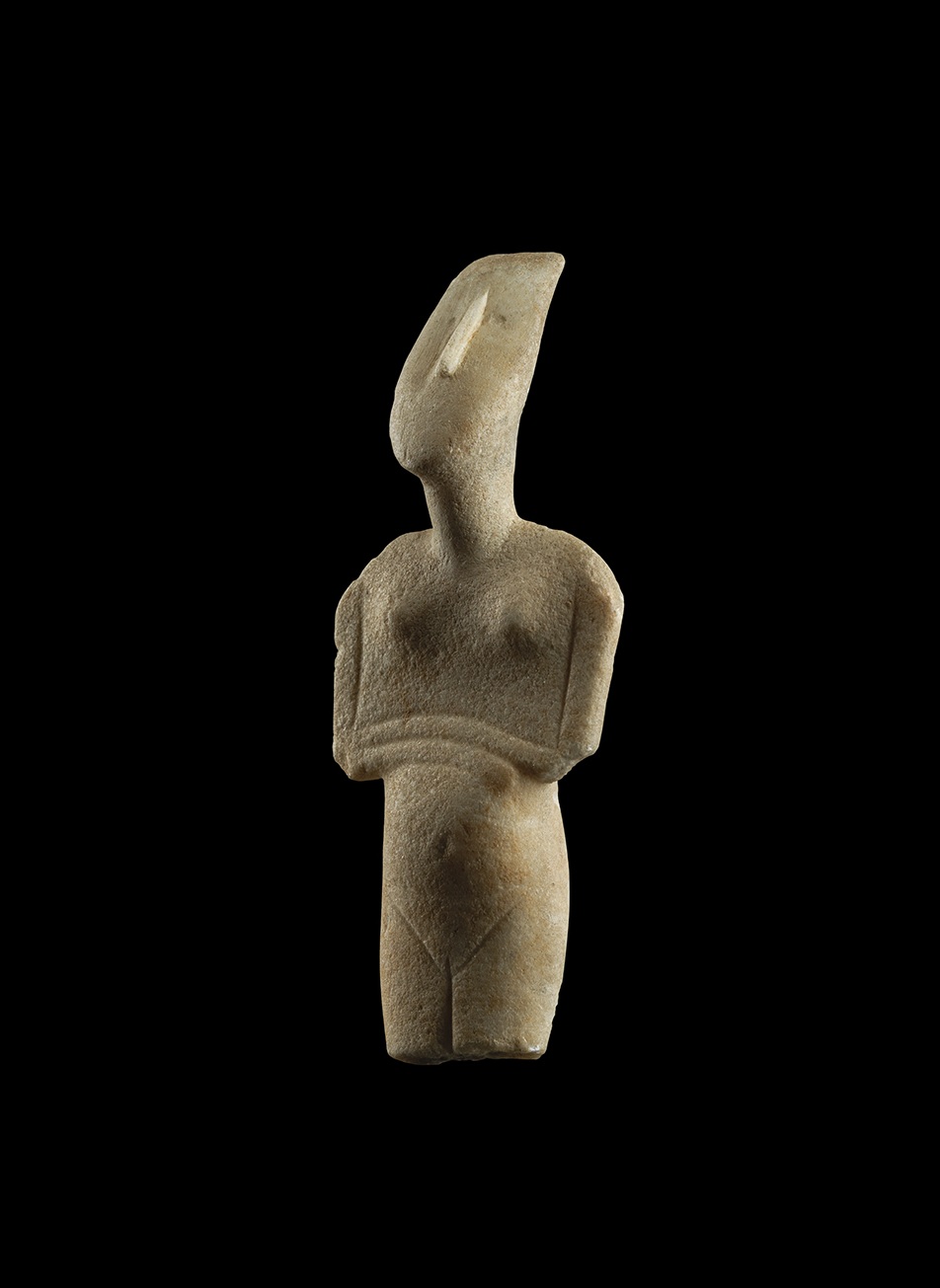
Pregnant Cycladic Idol, 2500-2000 B.C., Greece, Marble, H: 14.5 cm, previously in the Private Collection of Sir Jacob Epstein. David Aaron Ltd
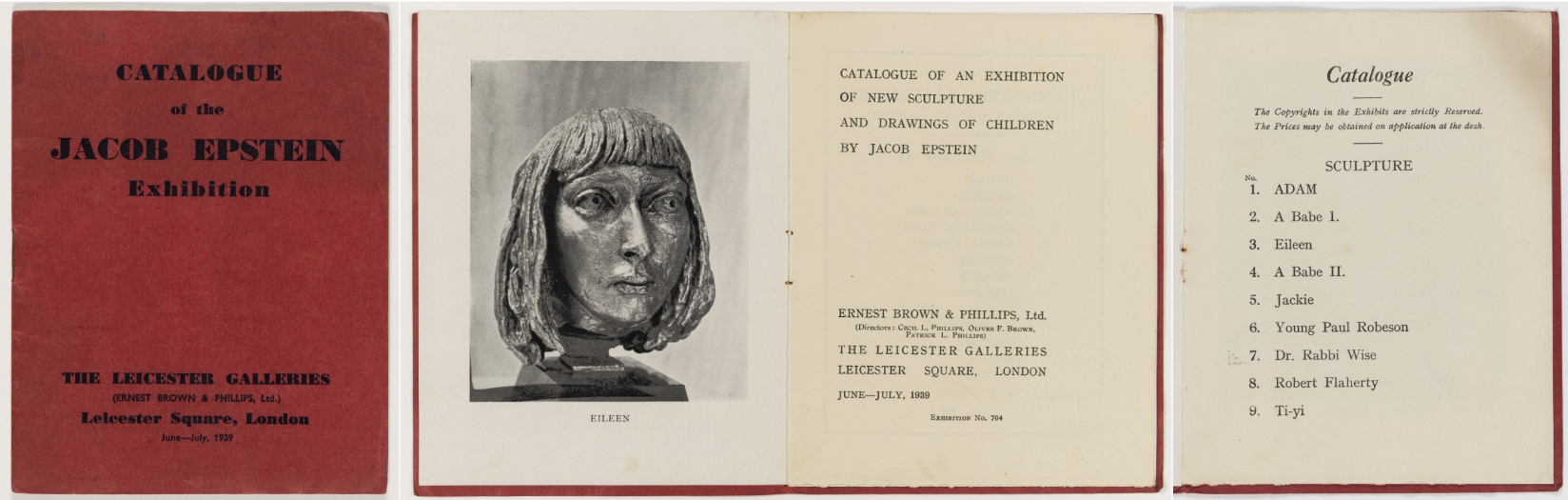
In the 1939 exhibition catalogue, Epstein showcased multiple works, including busts of children and the sculpture of 'ADAM'.
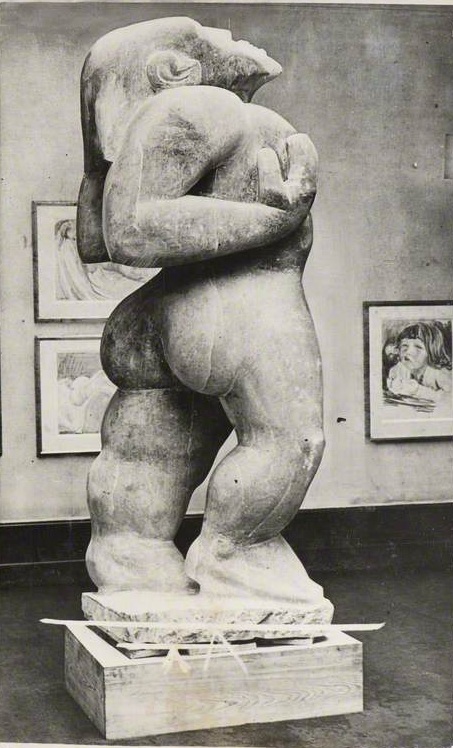
The monumental sculpture of 'ADAM' was later on show in Blackpool. The exhibition received mixed reviews, and a Pathé newsreel shows crowds attending, including a woman fainting.
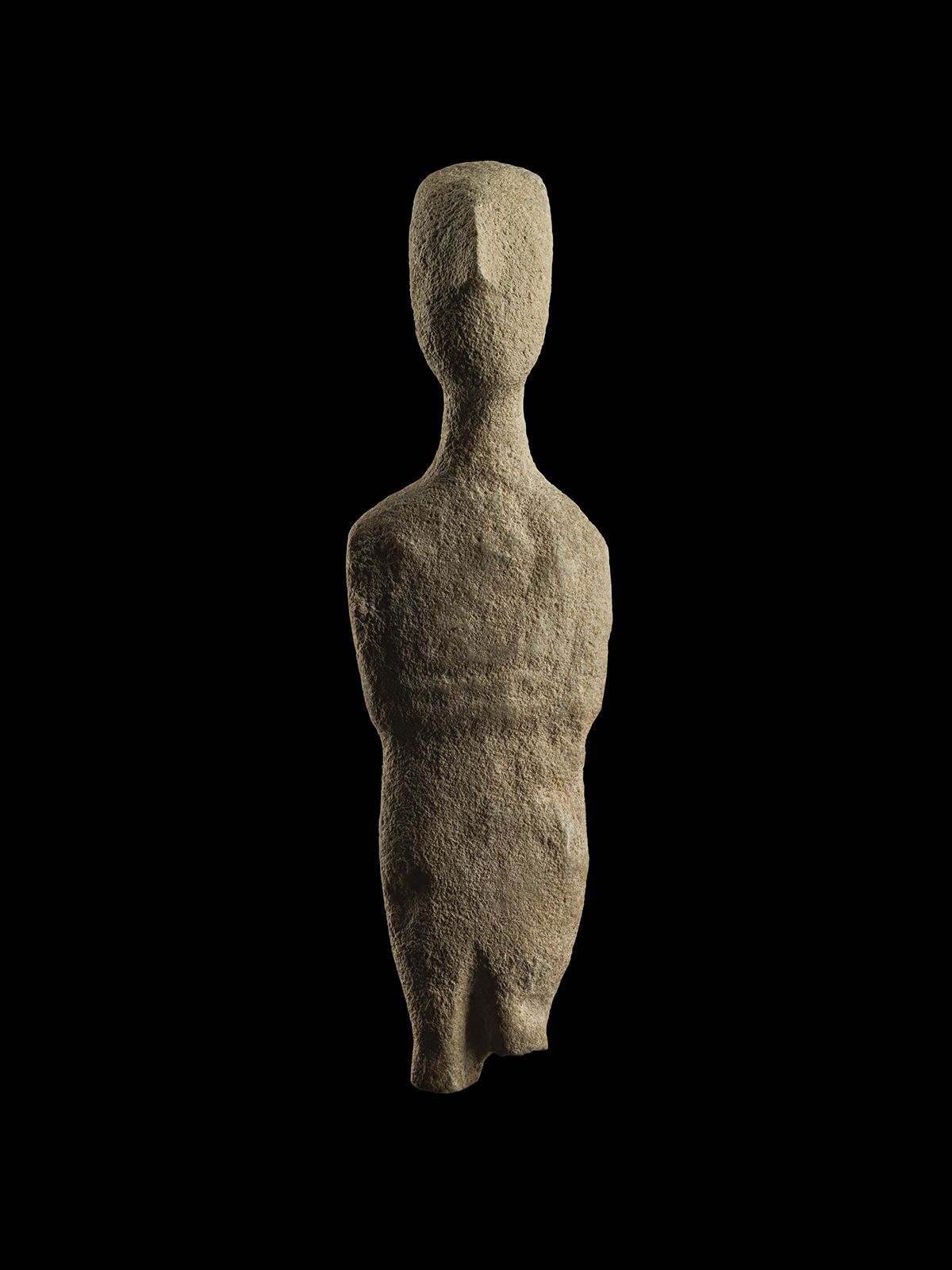
Cycladic Idol, 2500-2000 B.C., Greece, Marble, H: 21.4 cm, previously in the Private Collection of Sir Jacob Epstein. David Aaron Ltd.



 Where to find us?
 Newsletter
 Instagram
 Linked in
 Email
Email