Journal
Published 5/8/2025
Published 5/6/2025
Published 5/7/2025
Published 5/8/2025
Published 5/16/2025
Published 5/27/2025
Published 6/25/2025
Published 7/18/2025
Published 10/21/2025
Published 12/19/2025
Published 2/2/2026
Published 2/5/2026
Published 2/11/2026
Published 2/16/2026
Published 2/25/2026
Published 3/2/2026
Published 10/3/2022
Published 3/23/2026
Published 3/25/2026
Published 4/9/2026
Published 4/13/2026
Published 5/4/2020
Published 4/23/2026
Published 4/29/2026
Published 5/7/2026
Published 5/13/2026
Published 5/19/2026
Published 5/26/2026
Published 11/1/2024
Published 10/12/2022
Published 6/12/2026
Published 10/1/2024
Published 6/24/2026
Published 7/3/2026
Published 11/1/2023
Published 7/17/2026
Published 7/20/2026
Published 8/5/2025
Published 11/17/2022
Published 8/6/2026
Published 11/6/2025
Published 11/7/2024
Published 11/5/2024
Published 11/3/2024
Published 8/6/2020
Published 8/6/2020
Published 8/6/2026
Published 8/6/2026
Published 8/6/2026
Published 8/6/2026
Published 1/4/2026
Published 9/5/2024
Published 9/7/2021
Published 1/1/2025
Published 2/2/2025
Published 8/17/2026
Published 8/24/2026
Published 9/1/2026
Published 8/20/2026
Published 9/9/2026
Notable sale: The Hultmark Horus
Published 30/05/2025

The bronze falcon of Horus in traditional standing pose makes a striking silhouette: with two firmly planted legs counterbalanced by an elegant V-shaped tail, wings folded across the back which rises smoothly to the bird’s proud head. The falcon’s feathers were individually chased onto its finished and polished surface by hand, using a fine-pointed iron tool. The intricacy of this work, with care taken to individuate the different kinds of flight feathers present in a real bird’s wings and tail, would have required a large investment of time and skill.
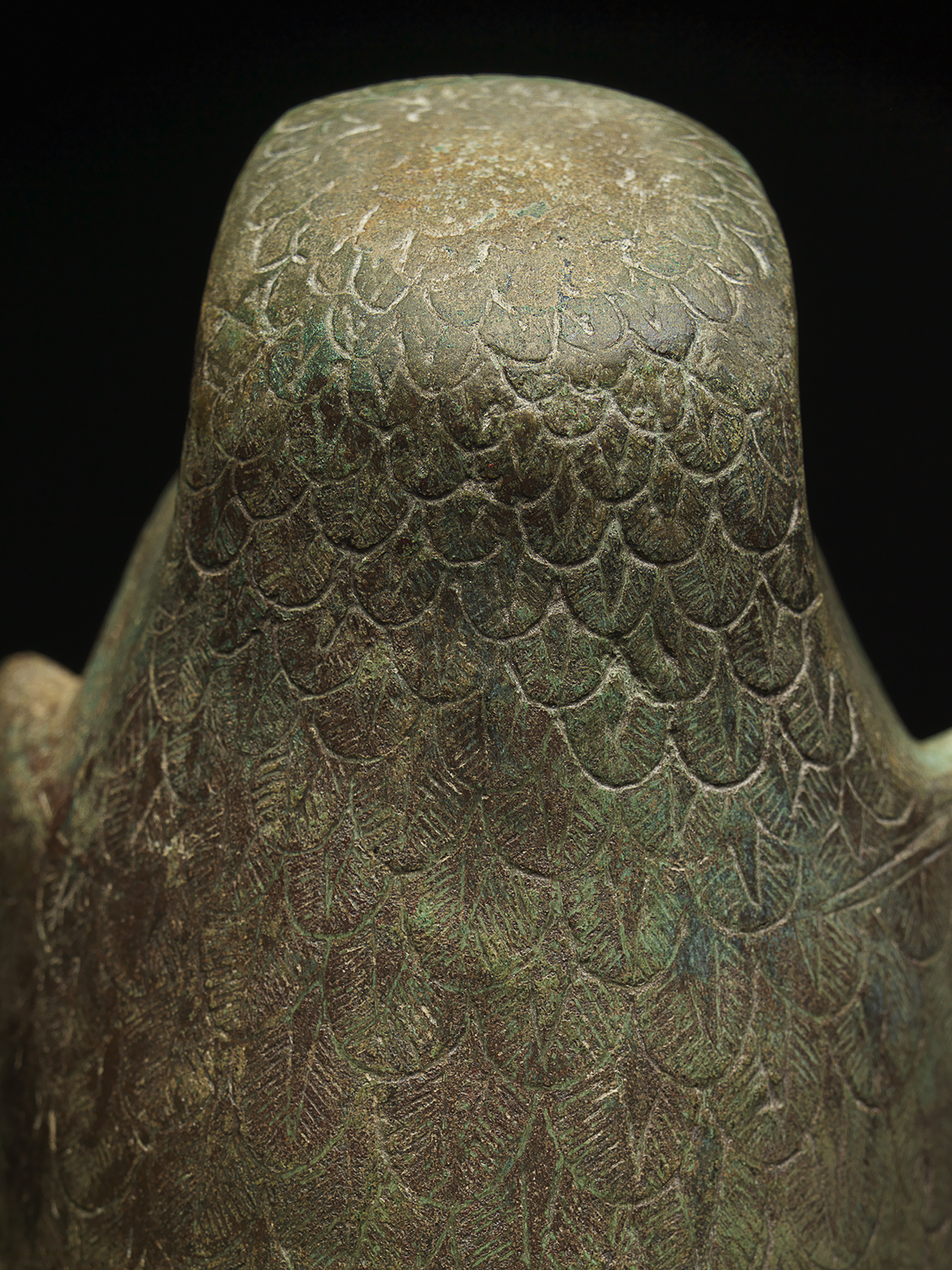
The Hultmark Horus, 663-525 B.C., Saitic Period, Egypt , Bronze, Image: Courtesy David Aaron
The pointed tip of the beak and the sharp, viciously curved claws on the feet are also painstakingly modelled. The combination of the detailed naturalistic treatment of the subject, and the technical skills required for lost-wax casting a piece of this kind in a single piece, mark this falcon as a fine example of Late Period metalwork. Unusually, the falcon’s legs were modelled together with the body – the majority of Late Period bronze falcons of this kind were produced in two pieces and attached after the casting stage – an innovative production process that would have streamlined the piece’s production.
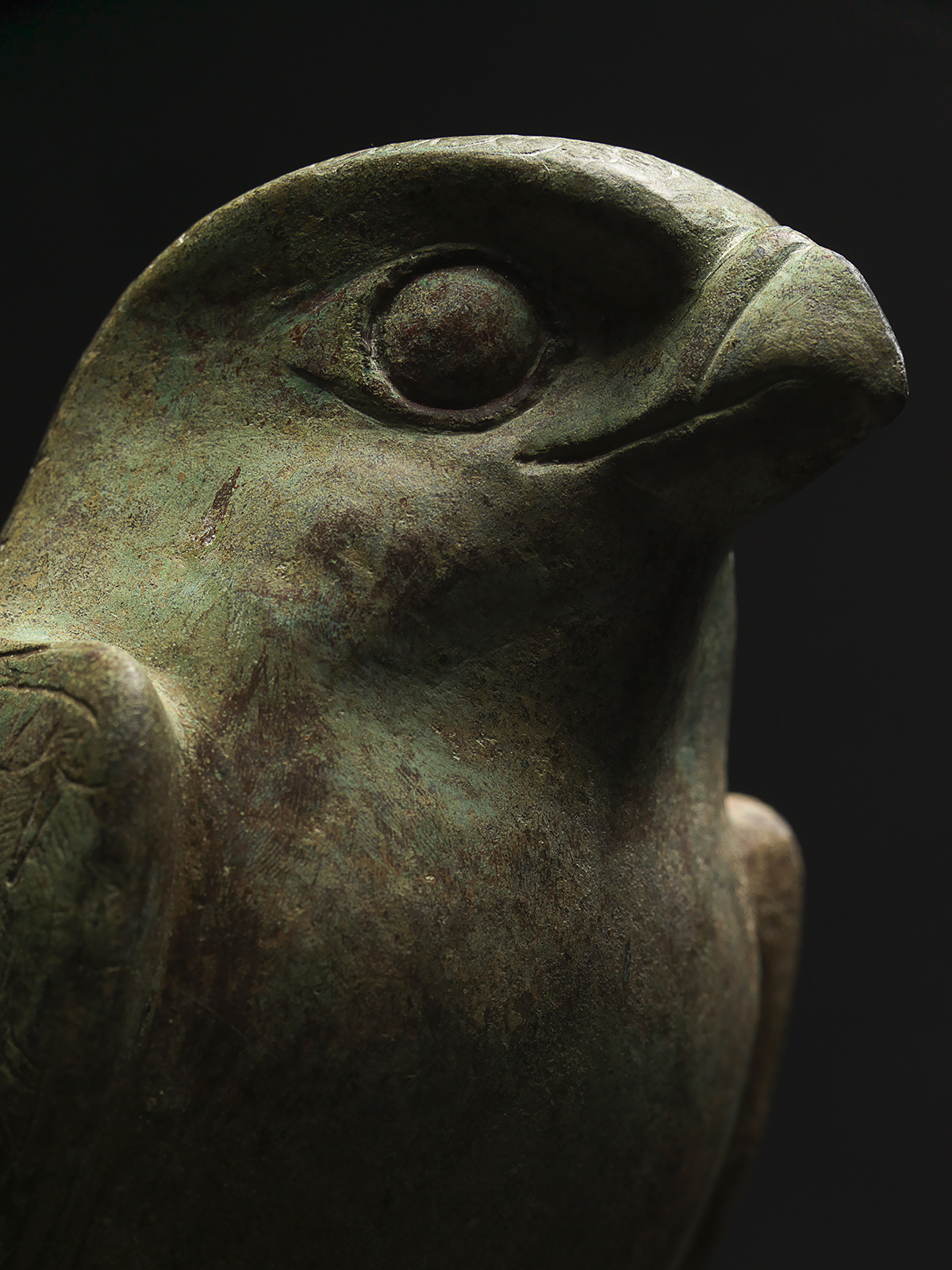
The Hultmark Horus, 663-525 B.C., Saitic Period, Egypt , Bronze, Image: Courtesy David Aaron
From the Late Period onwards, the sacred animals of the gods became a focus for cult practices and were worshipped as living incarnations of the gods on earth. They were often kept in temple precincts – entire complexes of buildings dedicated to Horus falcons have been found at Saqqara, Buto, Abydos, and Kom Ombo. Pilgrims who visited these temples would purchase falcons to be mummified and presented as signs of devotion to the god, or when seeking a particular blessing. Their offerings would then be interred in the catacombs as an eternal prayer to Horus. This bronze falcon is, therefore, a material record of an ancient pilgrim’s prayer.
Many museum collections feature bronze falcon statuettes like this one, including the Louvre in Paris, the Metropolitan Museum of Art, New York, the Staatliche Museen in Berlin, the Brooklyn Museum, and the British Museum, London.
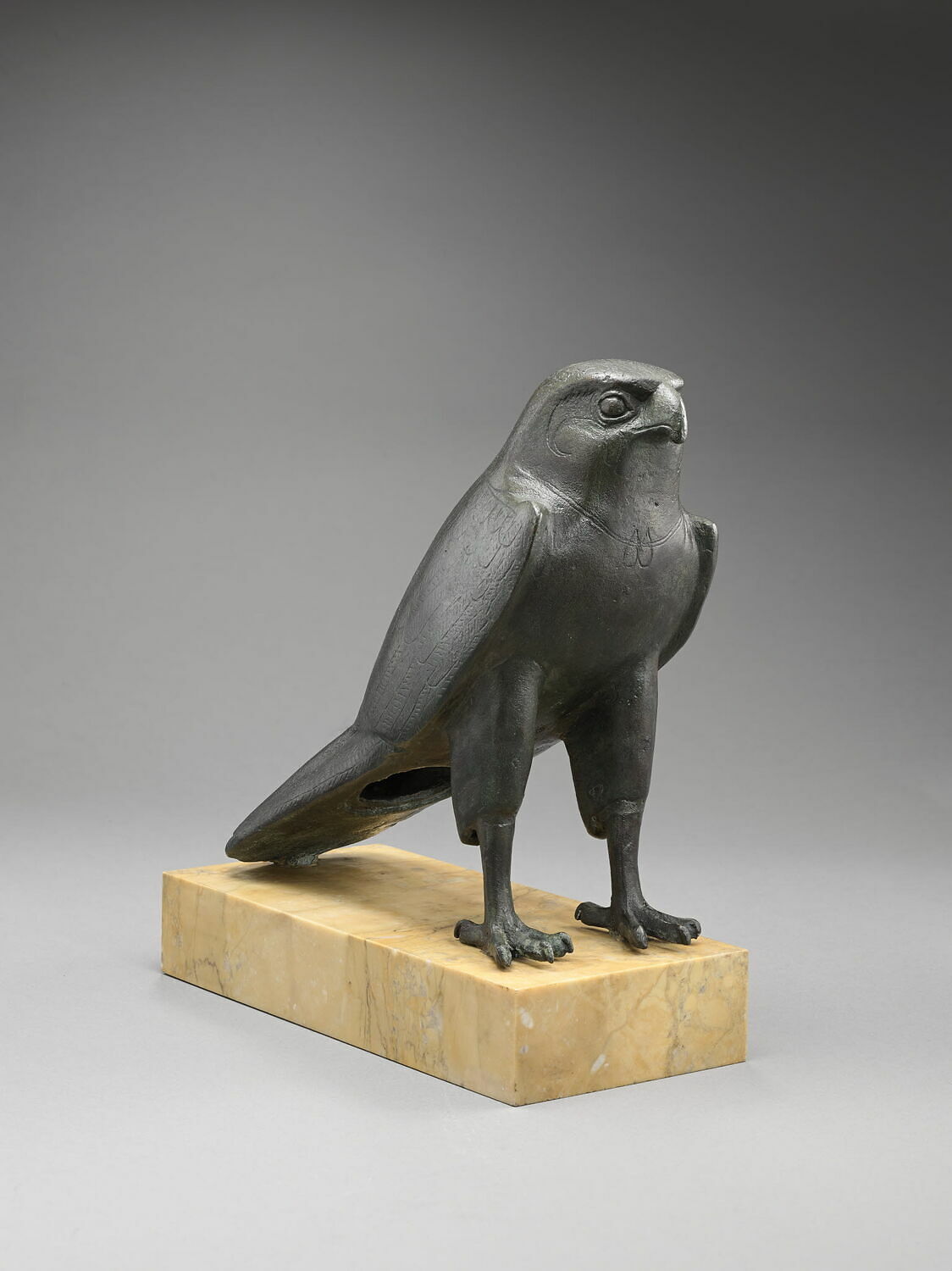
Falcon statuette/sarcophagus, 664-332 B.C., Late Period, Egypt, Bronze, H: 23 cm, L: 23.3 cm, Musée du Louvre, Paris, © 2014 Musée du Louvre, Dist. GrandPalaisRmn / Benjamin Soligny
Horus the god
Falcons were linked to the god Horus, the son of Isis and Osiris. One of the most important gods in the Egyptian pantheon, Horus was worshipped from at least late prehistoric Egypt until the Ptolemaic and Roman Periods. His battle to regain his throne from his uncle Seth, who had killed his father Osiris, was seen as symbolic of the pharaoh’s victory over Egypt’s enemies.
Horus was also seen as the uniter of the Two Kingdoms of Egypt and the maintainer of order. He therefore represented the concept of balance, which was highly valued by ancient Egyptians. As such, he was associated with kingship and the pharaoh came to be viewed as a representation of Horus on earth.
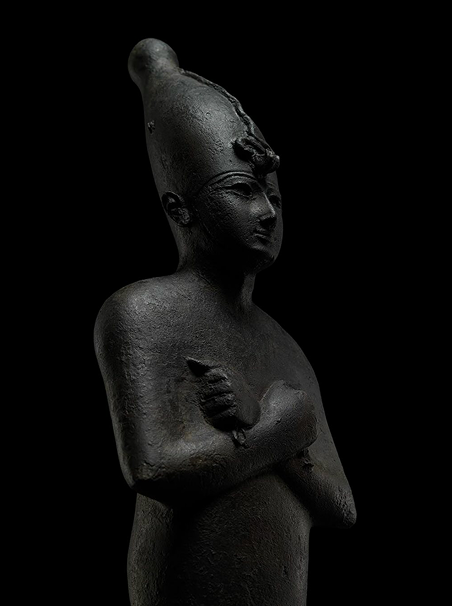
One of Horus’s names translates as ‘Horus the Great’ or ‘Horus the Elder’. This is written in hieroglyphs as ḥr.w, or ‘falcon’, 𓅃, and is also translated as ‘the distant one’ or ‘one who is above, over’. Horus was often depicted as a falcon or a man with a falcon’s head. The falcon, therefore, became a symbol of divine kingship, and is often depicted wearing the Double Crown of Egypt (seen in the example below) or the sun disc in statues and paintings. Horus was also god of the sky, with the sun as his right eye and the moon as his left. In his falcon form, Horus flew the sun and moon in their journey across the sky, with outspread wings protecting the earth below. The Eye of Horus, or wedjat-eye, was a powerful apotropaic symbol for ancient Egyptians.
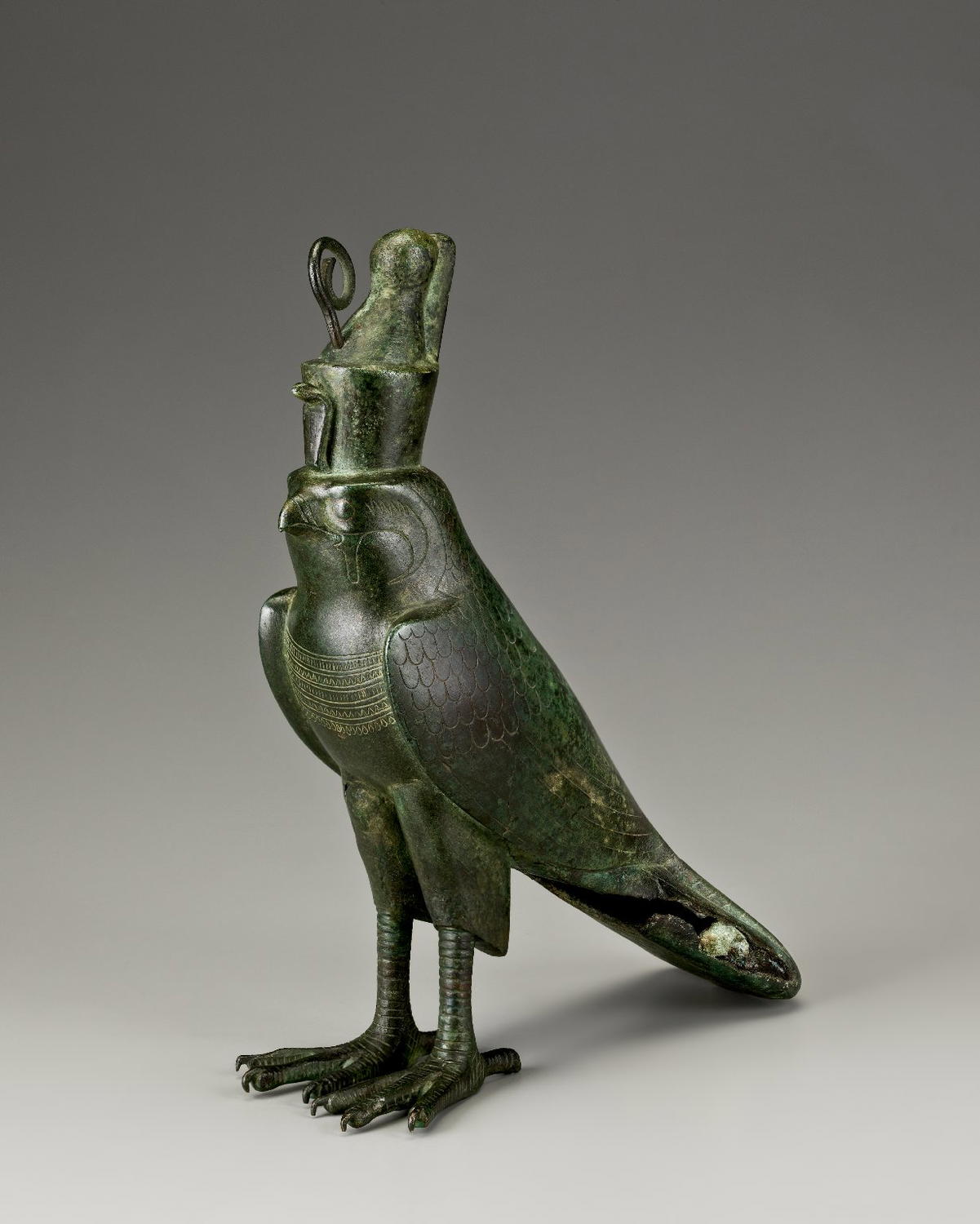
Horus Falcon-Form Coffin, 664–30 B.C.E.. Bronze, gold, 11 3/4 x 2 3/4 x 11 1/2 in. (29.8 x 7 x 29.2 cm). Brooklyn Museum, Charles Edwin Wilbour Fund, 05.394. (Photo: Brooklyn Museum (Gavin Ashworth, photographer))
From the collection of art historian Dr. Emil Hultmark
This fine falcon was previously in the collection of Dr. Emil Hultmark (1872-1943), a Swedish art historian, collector, donor, and patron of the arts. Trained under art historians Heinrich Wöfflin and Adolph Goldschmidt, Hultmark’s doctoral thesis on Swedish painter Carl Frederik von Breda and its accompanying catalogue remains one of the seminal texts on Von Breda’s oeuvre. Hultmark also compiled a formidably large archive of Swedish artists and craftsmen, and a library covering the entire history of Swedish art. His personal collection, comprising paintings, sculptures, engravings, furniture, textiles, silver, bronzes, and faience, set out to encompass the full history of art in every country of the world, from ancient times to his lifetime.
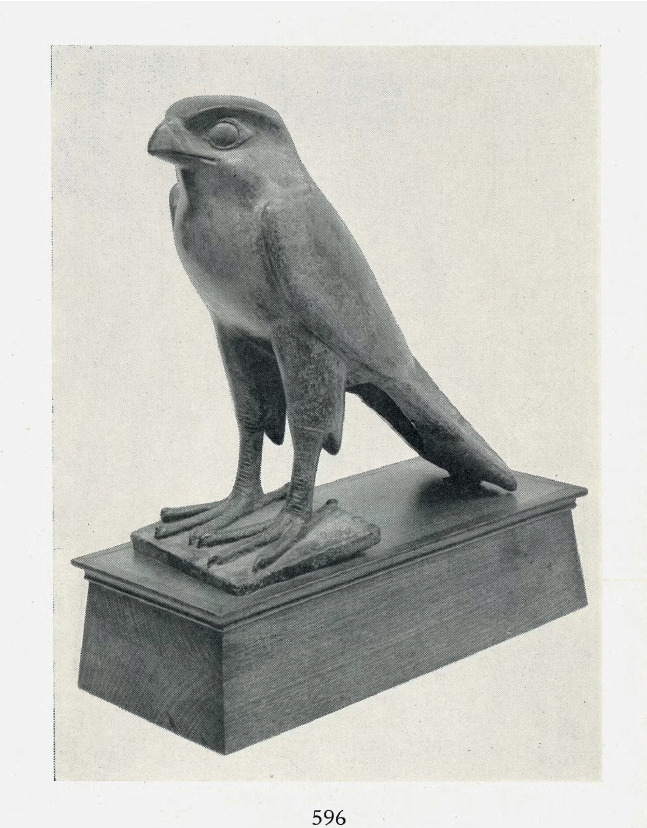
Emil Hultmarks Samling, Kungliga Akademien för de fria konsterna, Stockholm, 1942, no. 596, p. 73, pl. 34.
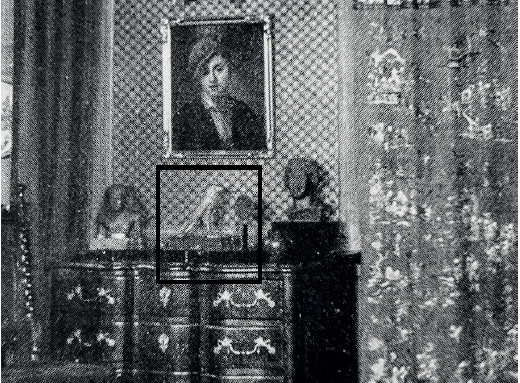
Photograph featuring the Horus from Maj Sterner, ‘Fil. dr. och fru Emil Hultmarks hem. Birger Jarlsgatan 32, Stockholm’, Svenska Hem I Ord Och Bilder, ed. Stig M H-son Björkman (1936), p. 176.
This fine example of a bronze Horus sold to a private collector at TEFAF New York art fair in 2025. David Aaron will once again exhibit at TEFAF New York in 2026 and can be found at stand 212.
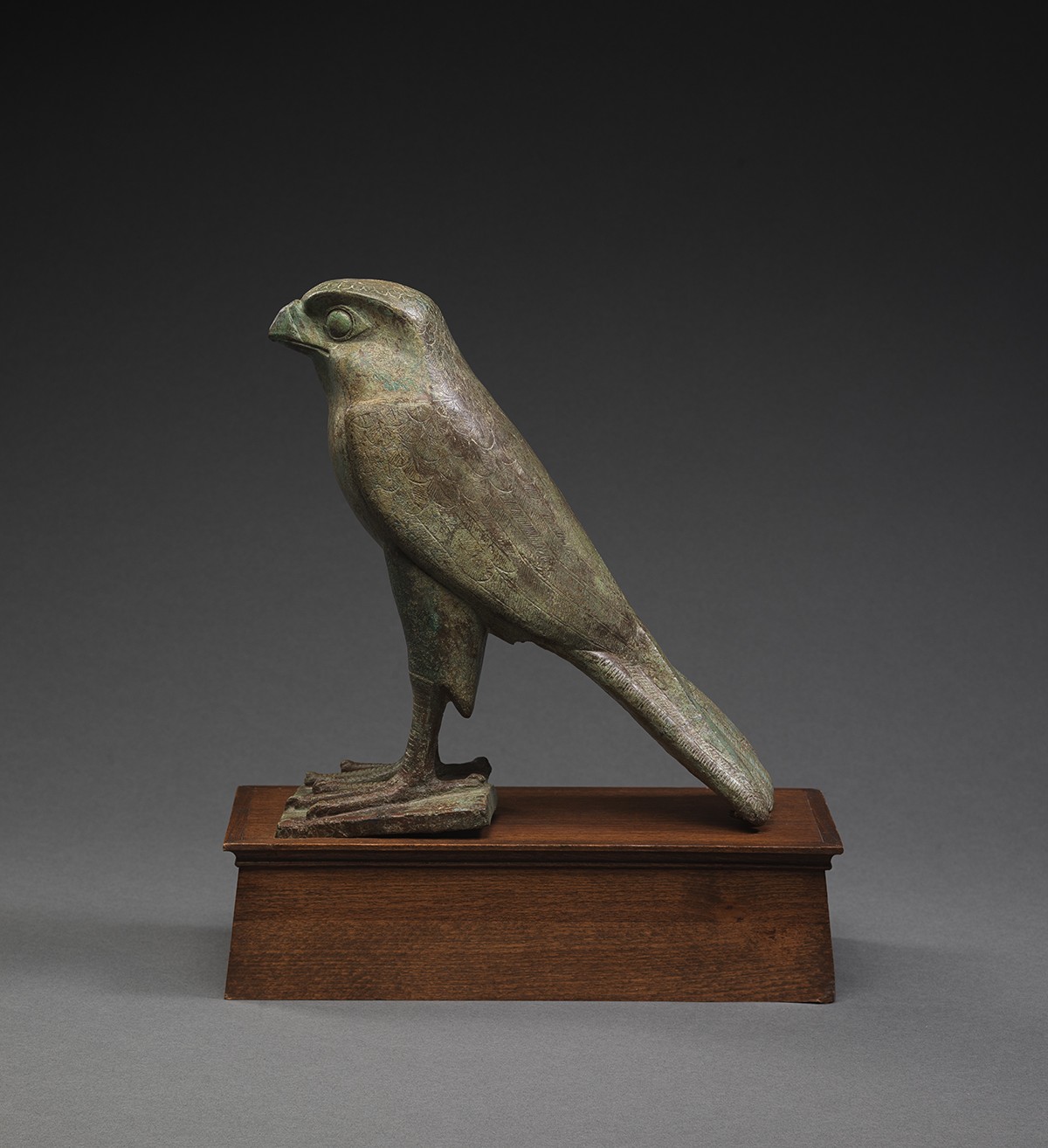
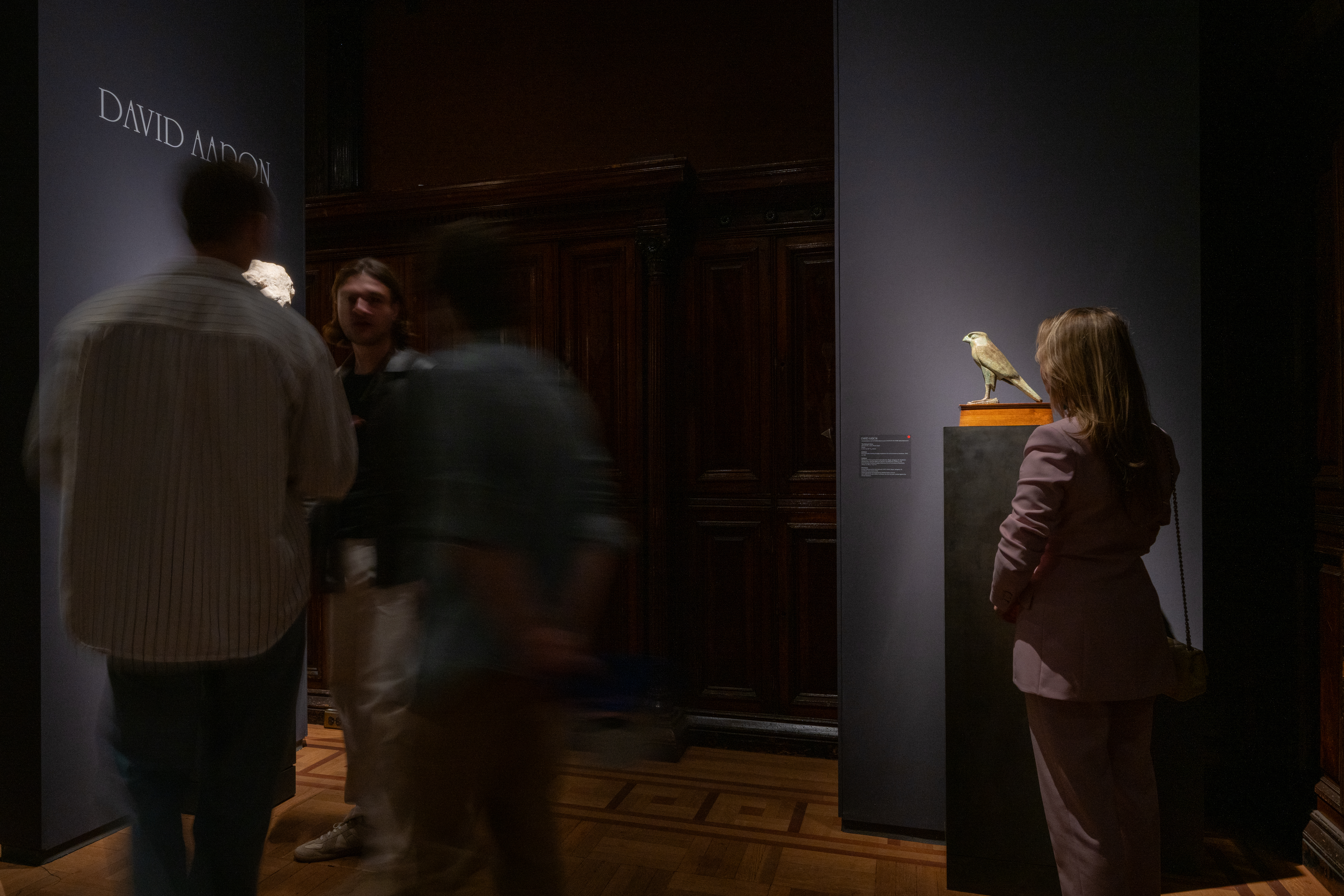 The Hultmark Horus at TEFAF New York 2025. Image: Courtesy of David Aaron, photographed by Jitske Nap


 Where to find us?
 Newsletter
 Instagram
 Linked in
 Email
Email