Journal
Published 5/8/2025
Published 5/6/2025
Published 5/7/2025
Published 5/8/2025
Published 5/16/2025
Published 5/27/2025
Published 6/25/2025
Published 7/18/2025
Published 10/21/2025
Published 12/19/2025
Published 2/2/2026
Published 2/5/2026
Published 2/11/2026
Published 2/16/2026
Published 5/30/2025
Published 2/25/2026
Published 3/2/2026
Published 10/3/2022
Published 3/23/2026
Published 3/25/2026
Published 4/13/2026
Published 5/4/2020
Published 4/23/2026
Published 4/29/2026
Published 5/7/2026
Published 5/13/2026
Published 5/19/2026
Published 5/26/2026
Published 11/1/2024
Published 10/12/2022
Published 6/12/2026
Published 10/1/2024
Published 6/24/2026
Published 7/3/2026
Published 11/1/2023
Published 7/17/2026
Published 7/20/2026
Published 8/5/2025
Published 11/17/2022
Published 8/6/2026
Published 11/6/2025
Published 11/7/2024
Published 11/5/2024
Published 11/3/2024
Published 8/6/2020
Published 8/6/2020
Published 8/6/2026
Published 8/6/2026
Published 8/6/2026
Published 8/6/2026
Published 1/4/2026
Published 9/5/2024
Published 9/7/2021
Published 1/1/2025
Published 2/2/2025
Published 8/17/2026
Published 8/24/2026
Published 9/1/2026
Published 8/20/2026
Published 9/9/2026
Introducing ‘Juliasaurus’: A formidable Late Jurassic predator and one-of-a-kind discovery
Published 09/04/2026

One of the most important North American dinosaur fossil discoveries in recent years, the specimen was acquired by a private collector from David Aaron in 2024, and the gallery has facilitated the loan to Hollytrees Museum.
‘Juliasaurus’ was a medium-sized carnivorous theropod that lived in North America during the Late Jurassic period and measures an impressive six metres in length. Bone fusion indicates that the specimen represents a fully grown adult, rather than a juvenile dinosaur.
While not an apex predator, it would nonetheless have been a formidable hunter, likely preying on smaller herbivores and scavenging when necessary.
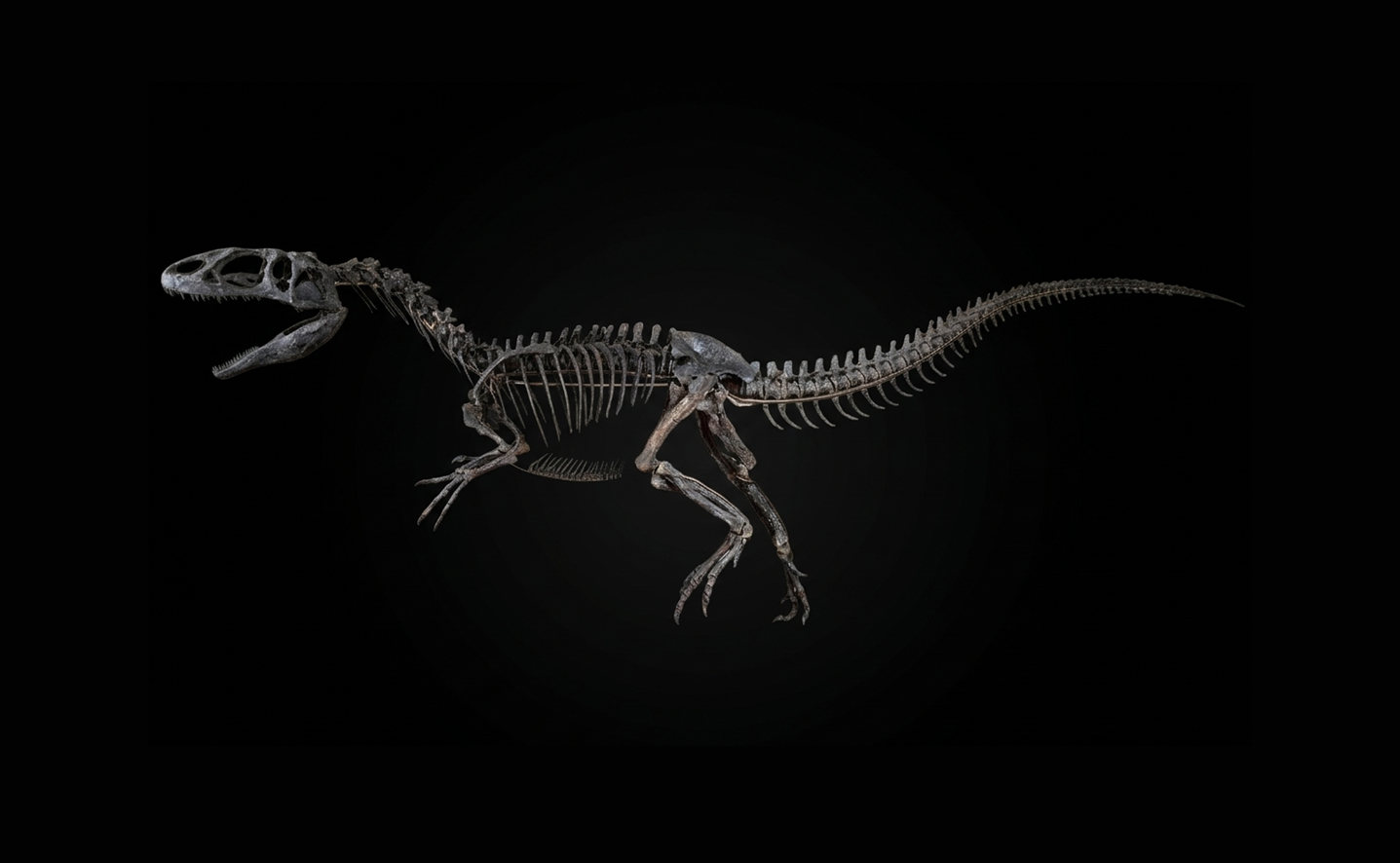 ‘Juliasaurus’, Late Jurassic Period (154-142 million years ago). Image courtesy David Aaron gallery
 Unearthing ‘Juliasaurus’
The fossil was initially identified as a Marshosaurus. During the 1960s, over 14,000 fossilised bones were excavated at the Cleveland-Lloyd Quarry in Utah. Many of these bones belonged to Allosaurus specimens, but there were also parts from at least two undiscovered unidentified theropods. In 1976, one of these theropods was named Marshosaurus bicentesim, - in honour of the nineteenth-century palaeontologist Professor Othniel Charles Marsh.
However, further paleontological analysis of the specimen has determined that the anatomy of ‘Juliasaurus’, while similar to Marshosaurus and Allosaurus, differs enough to require further research in order to confirm the species.
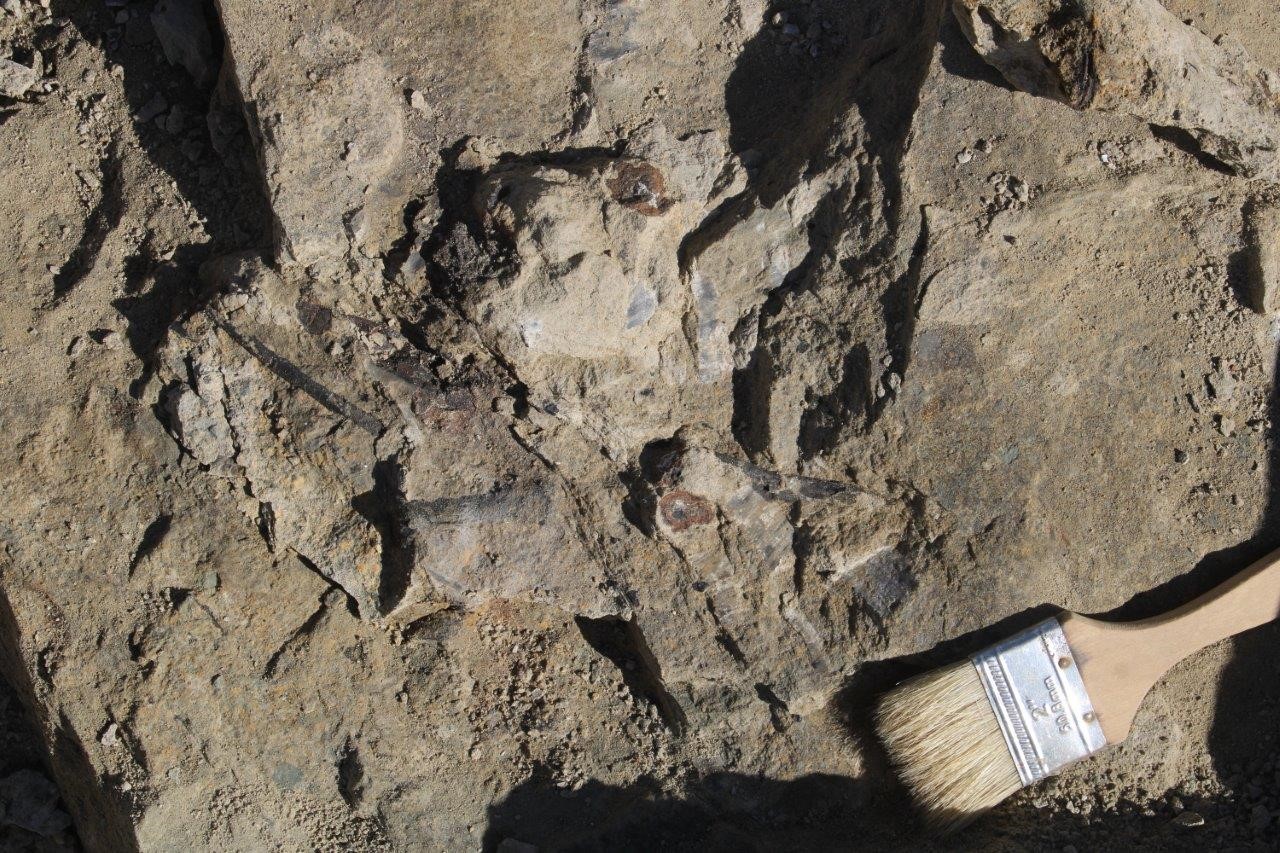 Excavation of ‘Juliasaurus’ in Wyoming
Opportunity for discovery
Exceptionally well preserved, ‘Juliasaurus’ offers significant research potential. The cranium of the fossil’s skull preserves the void cavity where the brain was located and presents in good condition, providing the exact negative shape that the brain occupied, and could be of great scientific value during the research process.
Research into the fossil could determine if ‘Juliasaurus’ is a new species or new genus of an existing species, as well as possibly providing fresh insights into the evolution of carnivorous dinosaurs.
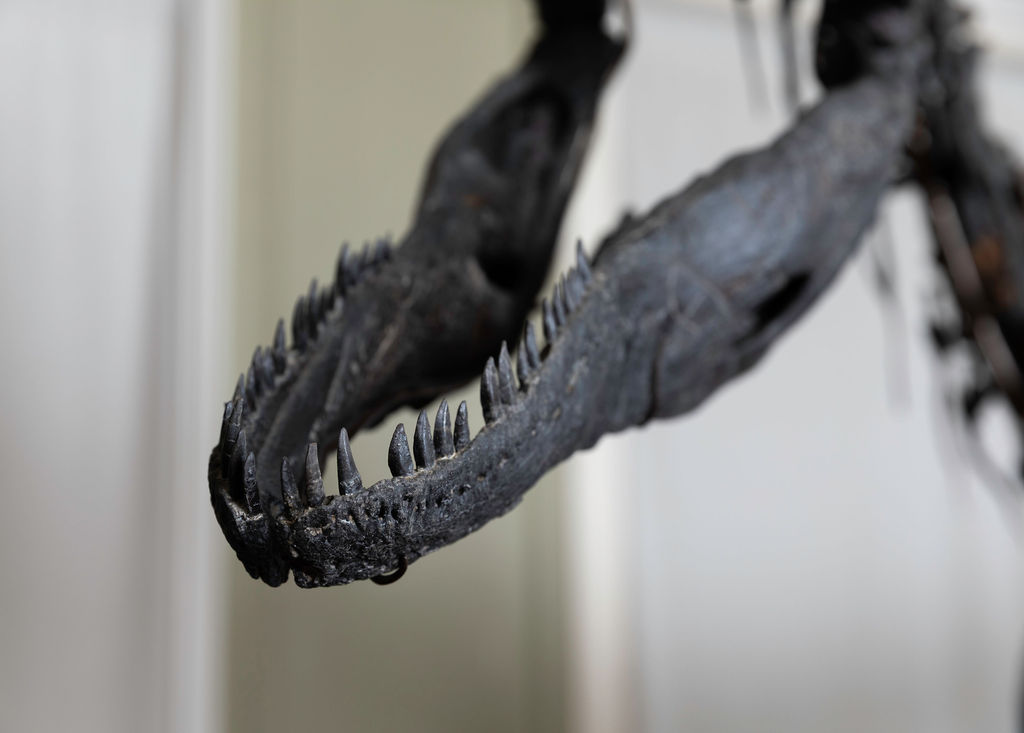 'Juliasaurus' at Hollytrees Museum. Image David Owens courtesy David Aaron gallery
 ‘Juliasaurus’ on show for the first time
Prior to installation, the fossil was expertly conserved and mounted in France, and a bespoke metal armature was fabricated to discreetly present the fossil.
‘Juliasaurus’ now forms part of Discover: Museum Wonders, a thematic exhibition exploring highlights from Colchester + Ipswich Museums’ collection of curiosities. The exhibition will reveal what the Essex area may have looked like in the Late Jurassic period when ‘Juliasaurus’ roamed the Earth and will present other fossils from the local area, reflecting the unique natural history of Essex.
The exhibition also features rotating displays drawn from Colchester’s rich heritage, with new objects introduced every six months to entice visitors to return again.
‘Juliasaurus’ is now on display at Hollytrees Museum until November 2027. Tickets are limited daily, visit the Hollytrees Museum website to find out more: colchester.cimuseums.org.uk/discover/
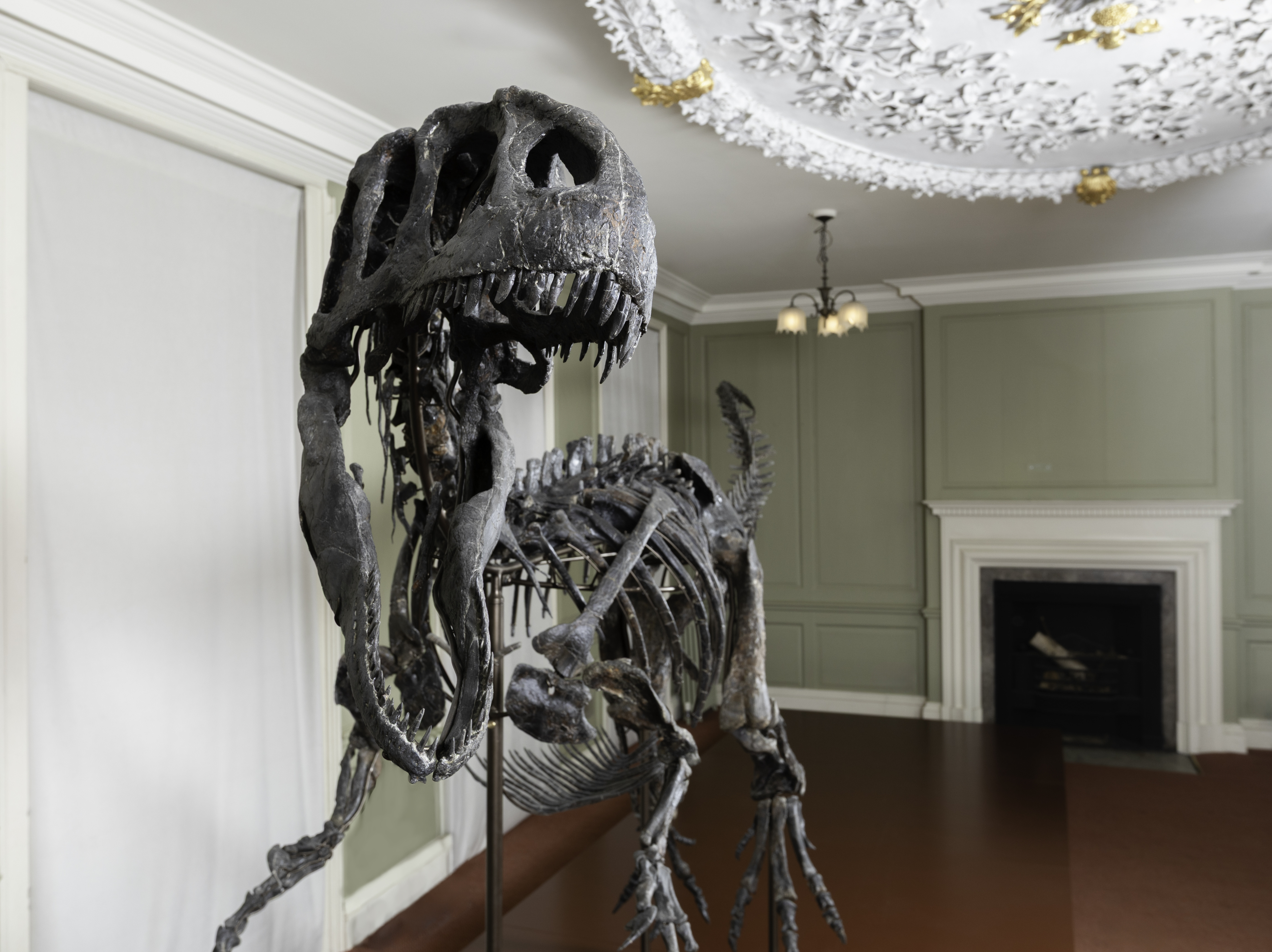 'Juliasaurus' at Hollytrees Museum. Image David Owens courtesy David Aaron gallery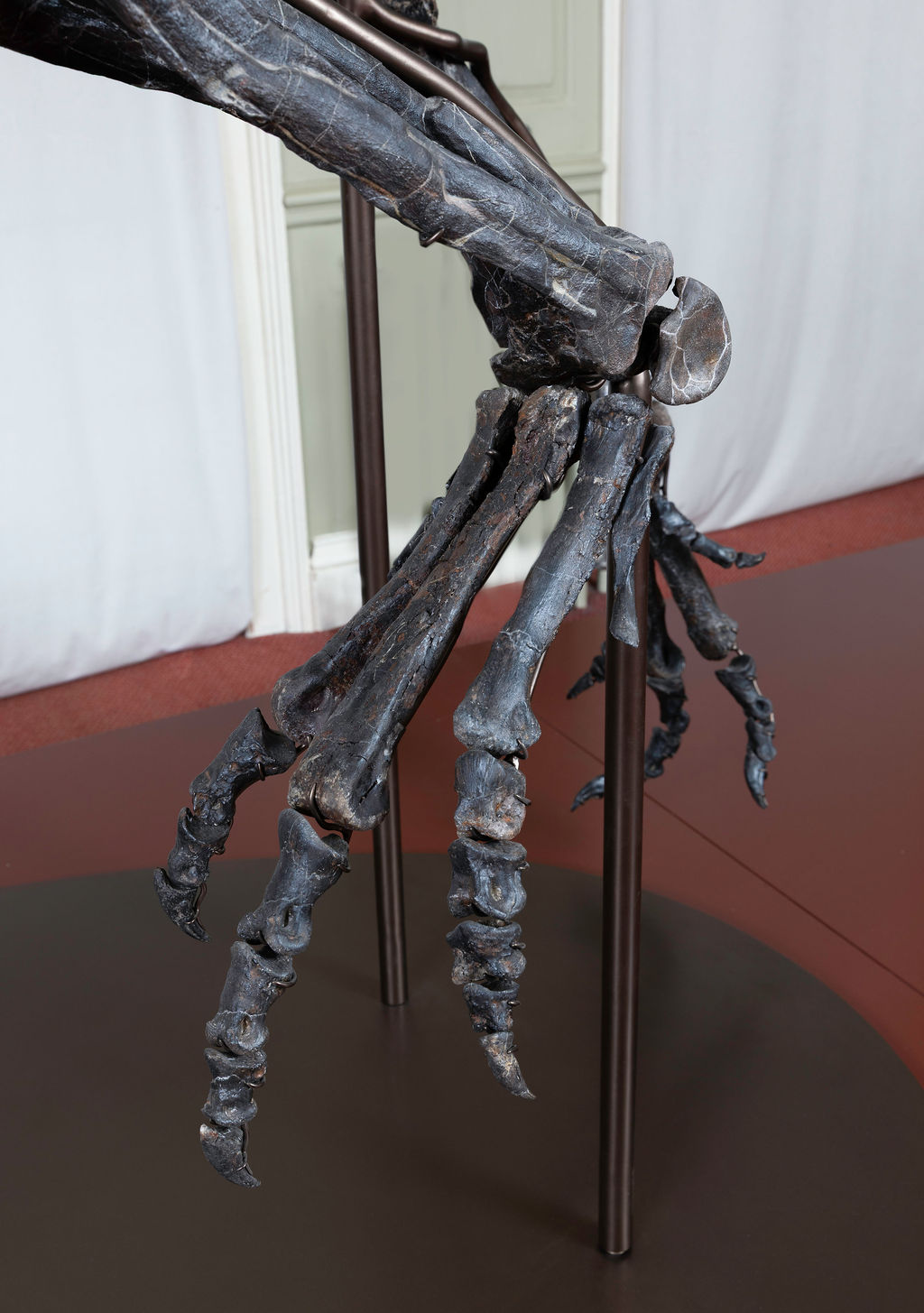
'Juliasaurus' at Hollytrees Museum. Image David Owens courtesy David Aaron gallery
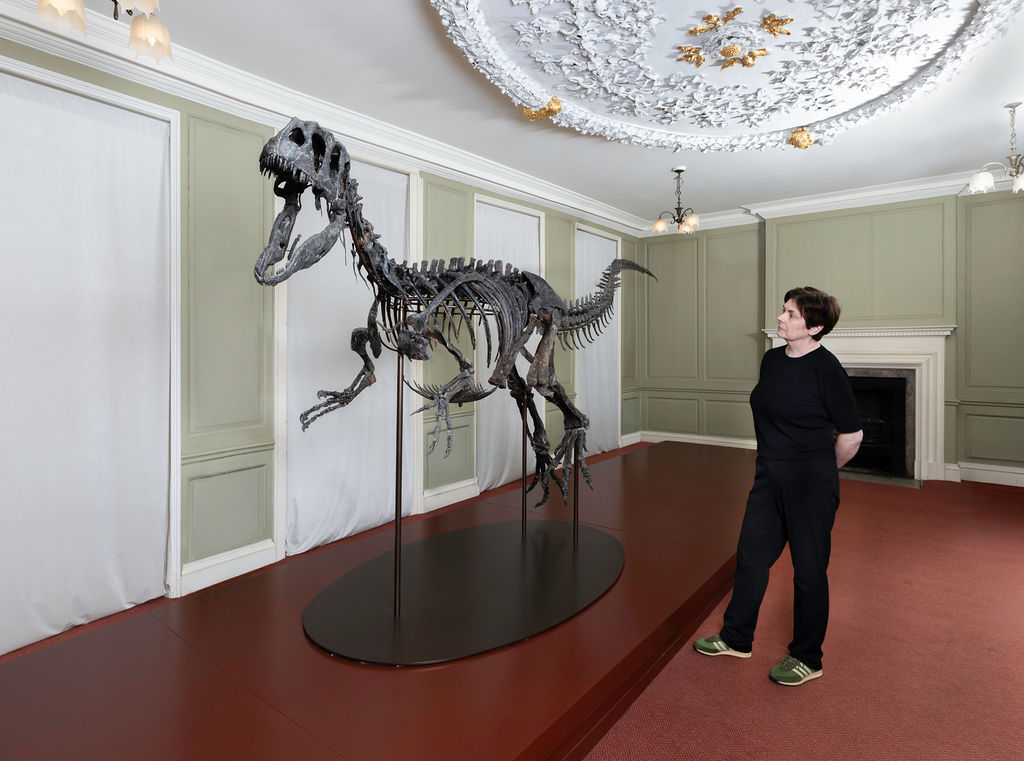 'Juliasaurus' at Hollytrees Museum. Image David Owens courtesy David Aaron gallery


 Where to find us?
 Newsletter
 Instagram
 Linked in
 Email
Email