Journal
Published 5/8/2025
Published 5/6/2025
Published 5/7/2025
Published 5/8/2025
Published 5/16/2025
Published 5/27/2025
Published 6/25/2025
Published 7/18/2025
Published 10/21/2025
Published 12/19/2025
Published 2/2/2026
Published 2/5/2026
Published 2/11/2026
Published 2/16/2026
Published 5/30/2025
Published 2/25/2026
Published 3/2/2026
Published 10/3/2022
Published 3/23/2026
Published 3/25/2026
Published 4/9/2026
Published 4/13/2026
Published 4/23/2026
Published 4/29/2026
Published 5/7/2026
Published 5/13/2026
Published 5/19/2026
Published 5/26/2026
Published 11/1/2024
Published 10/12/2022
Published 6/12/2026
Published 10/1/2024
Published 6/24/2026
Published 7/3/2026
Published 11/1/2023
Published 7/17/2026
Published 7/20/2026
Published 8/5/2025
Published 11/17/2022
Published 8/6/2026
Published 11/6/2025
Published 11/7/2024
Published 11/5/2024
Published 11/3/2024
Published 8/6/2020
Published 8/6/2020
Published 8/6/2026
Published 8/6/2026
Published 8/6/2026
Published 8/6/2026
Published 1/4/2026
Published 9/5/2024
Published 9/7/2021
Published 1/1/2025
Published 2/2/2025
Published 8/17/2026
Published 8/24/2026
Published 9/1/2026
Published 8/20/2026
Published 9/9/2026
Notable Sale: The Ryedale Bronze Hoard acquired by Yorkshire Museum
Published 04/05/2020

The group of four finely modelled bronzes was first discovered by metal detectorists James Spark and Mark Didlick in May 2020 in a field near Ampleforth in Ryedale, North Yorkshire. The pair had jumped at the chance to resume detecting following the relaxation of lockdown restrictions and had gone out together the very next day. After a while spent searching the field, owned by a member of the Lupton family, with little success, Spark suddenly got a ‘great big signal’ on his metal detector. The pair began digging together on their knees until they unearthed a male bust ‘just laid on the ground looking up at us after 2,000 years’.
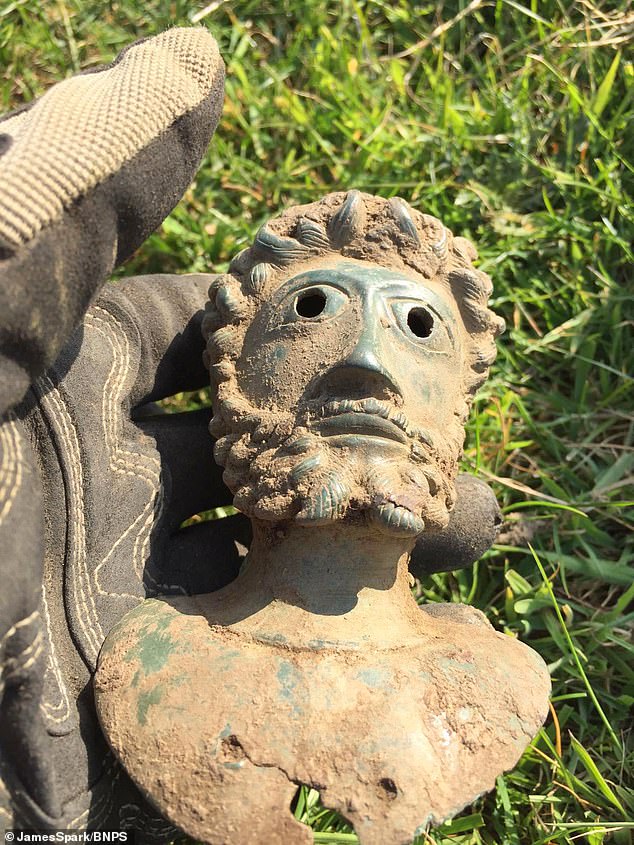
The bronze bust after it was found. Photo Credit: James Spark
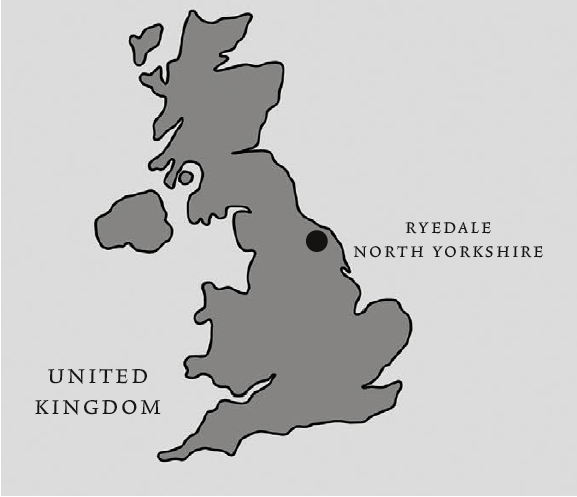
Ryedale Bronze discovery location in North Yorkshire
The bust’s features are modelled in a highly exaggerated and stylised manner: large almond-shaped eyes that slope dramatically downwards towards the edge of the face; a sharply projecting nose; and a single, deeply incised line for a mouth. Framed by a dense crop of thick curly hair and a beard with a pronounced fork in the centre, this bust is a close parallel to the bronze head found at Brackley in 2011 and now in the Ashmolean Museum, Oxford (AN2011.46), which has been aligned with the ‘third type’ of Marcus Aurelius’s portraits. Modelled completely in the round, with three pierced rivet holes in the thin surface of the chest plate, the Ryedale bust would have originally been mounted on top of a pole or staff, as a symbolic sceptre head, and represents the northernmost find of its kind in Britain.
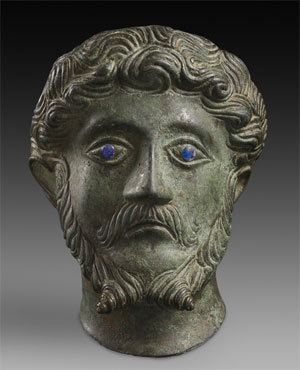
Bronze head of Marcus Aurelius, AD 161-180 (AN2011.46). Ashmolean Museum
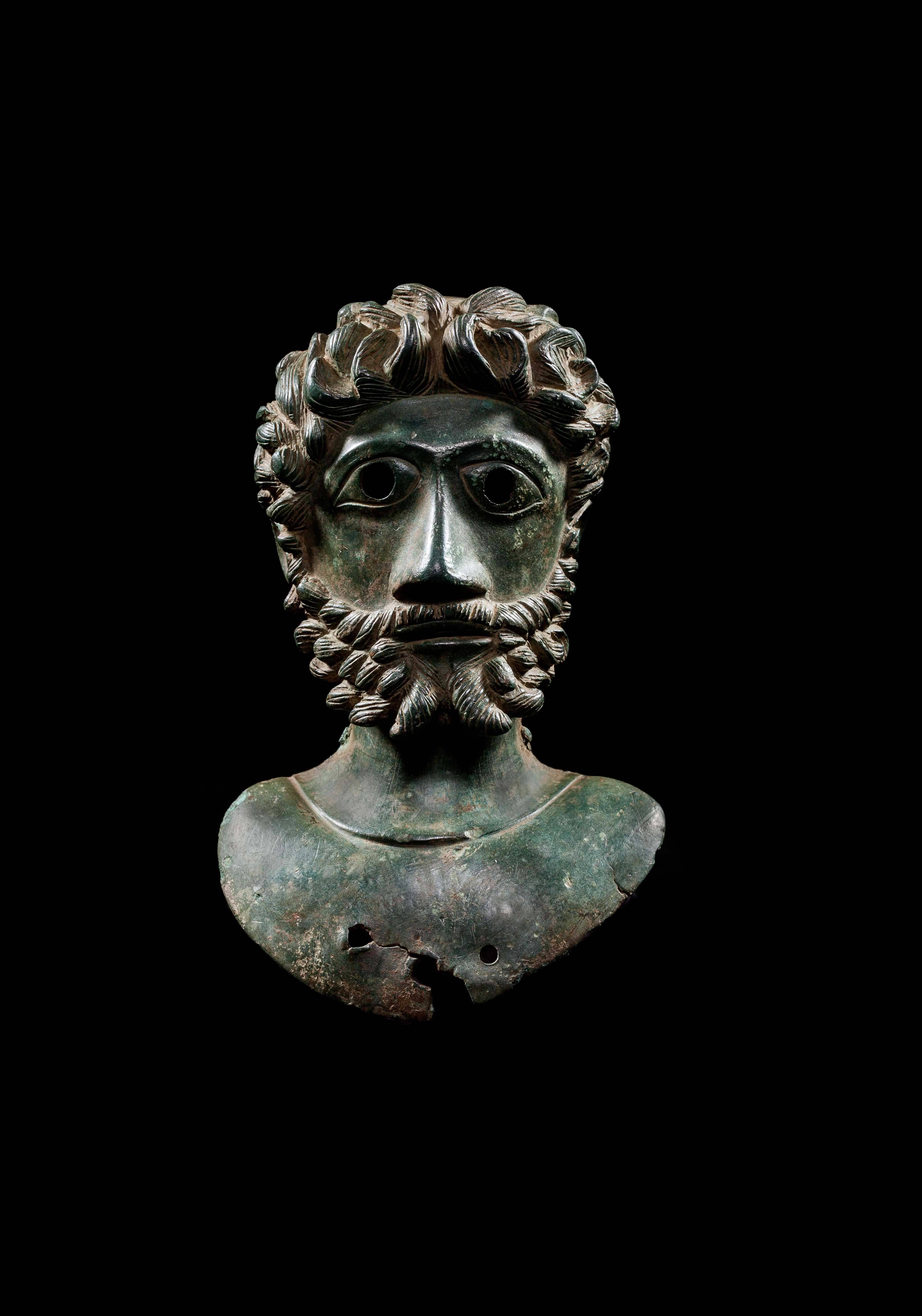
Bronze Bust, c. 43-410 AD, Romano-British. Image: Courtesy David Aaron
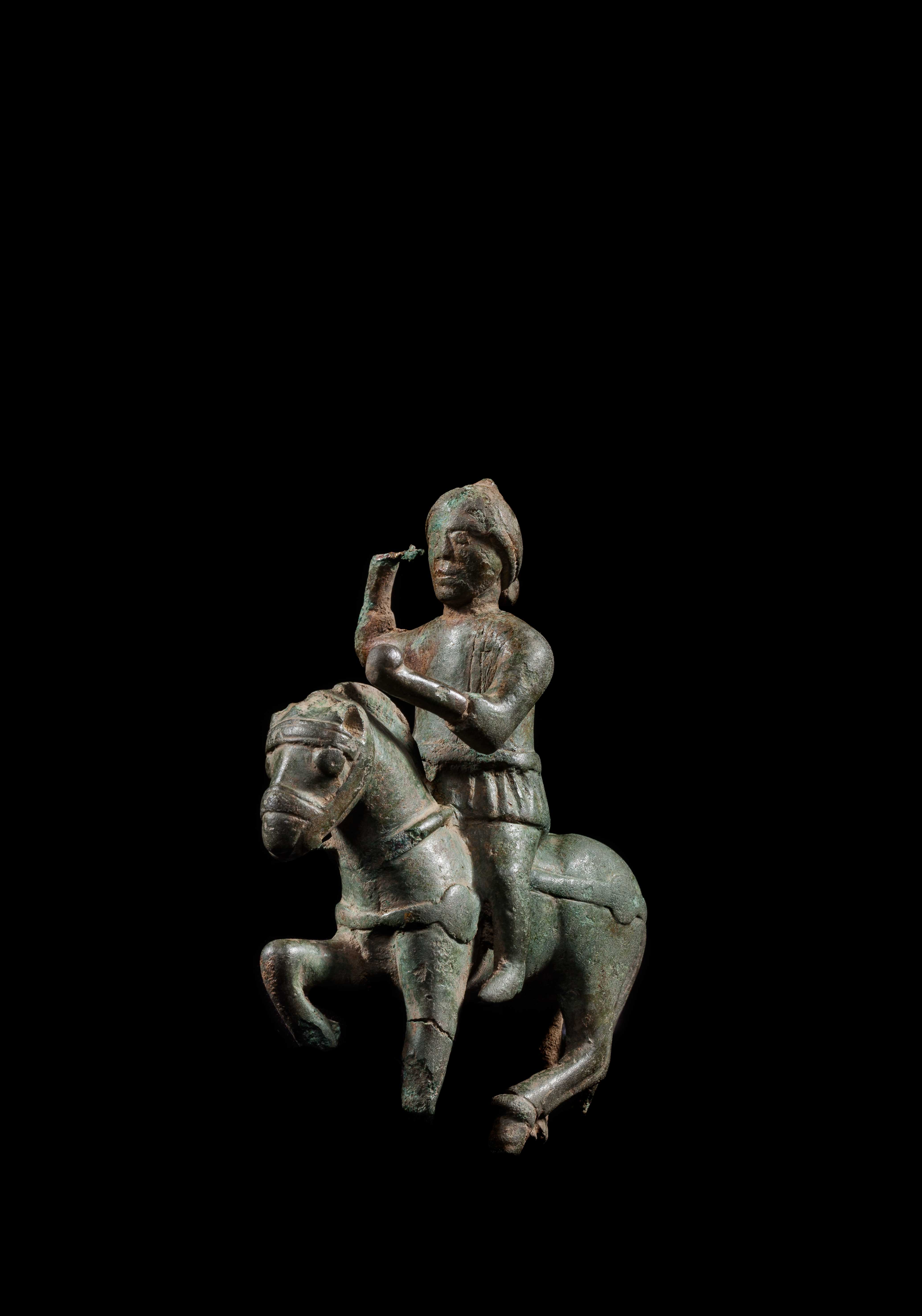
Horse and rider, c. 43-410 AD, Romano-British. Image: Courtesy David Aaron
The horse head handle features the head and forelegs of a galloping horse. The piece is finely crafted and detailed, although incomplete, and would have formed the grip of a handle for a key or, possibly, a ritual knife.
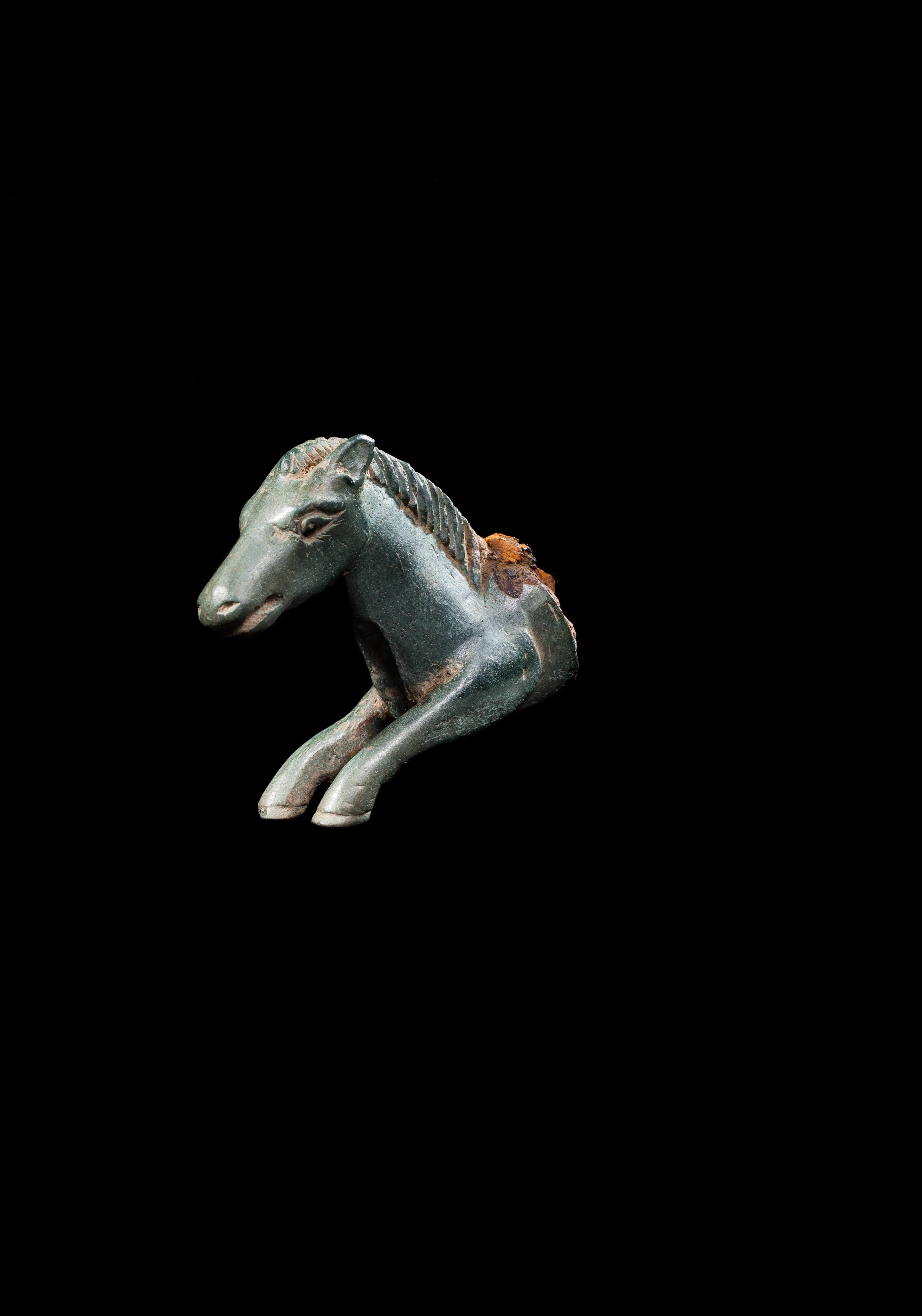
Horse head handle, c. 43-410 AD, Romano-British. Image: Courtesy David Aaron
At first glance, the diverse range of objects found in Ryedale would seem to suggest that they were buried as a group of miscellaneous scrap bronze; however, it seems more likely that they were a ritual deposit. Sceptre heads have frequently been found within deposits thought to have served a votive purpose. For instance, the Willingham Fen Hoard found by a ploughman in Cambridgeshire in 1857 featured several fragments of bronze sceptres, some topped with a bust thought to represent Commodus-Hercules or Antoninus Pius.
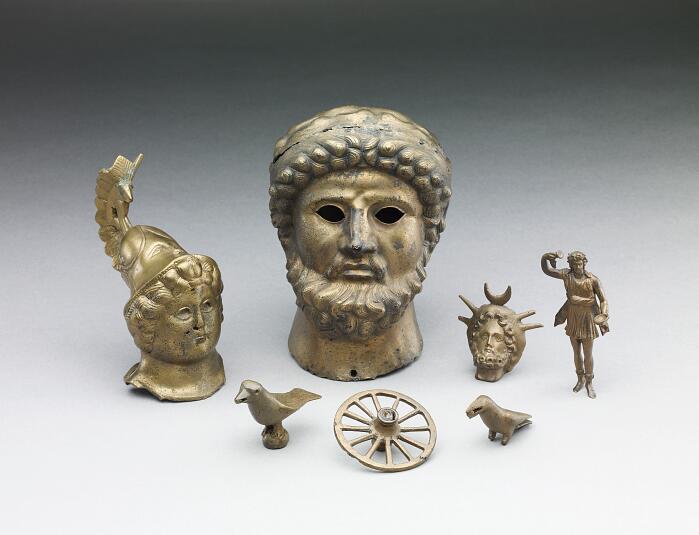
So too, did the group of objects found in a clay cauldron buried at Felmingham Hall, Suffolk, in 1844, include a copper-alloy head of Jupiter with rivet holes for attaching it to a sceptre. A votive interpretation of the Ryedale bronzes would also align with the horse and rider’s association with Mars, and could suggest that the horse head handle represents a substitute for animal sacrifice.
Dr John Pearce has proposed that within this context, the presence of the plumb bob may indicate that the offering was made as part of a ritual associated with landscape reorganisation. He links the Ryedale finds with the Piercebridge plough group (The British Museum, 1879,0710.1) that was found around 40 miles away in Darlington. The Piercebridge group is thought to represent the ploughing of the symbolic boundary for new towns of chartered status; at only circa 20 km from the chartered town of Alborough, the Ryedale group may have been interred as part of such a ritual.
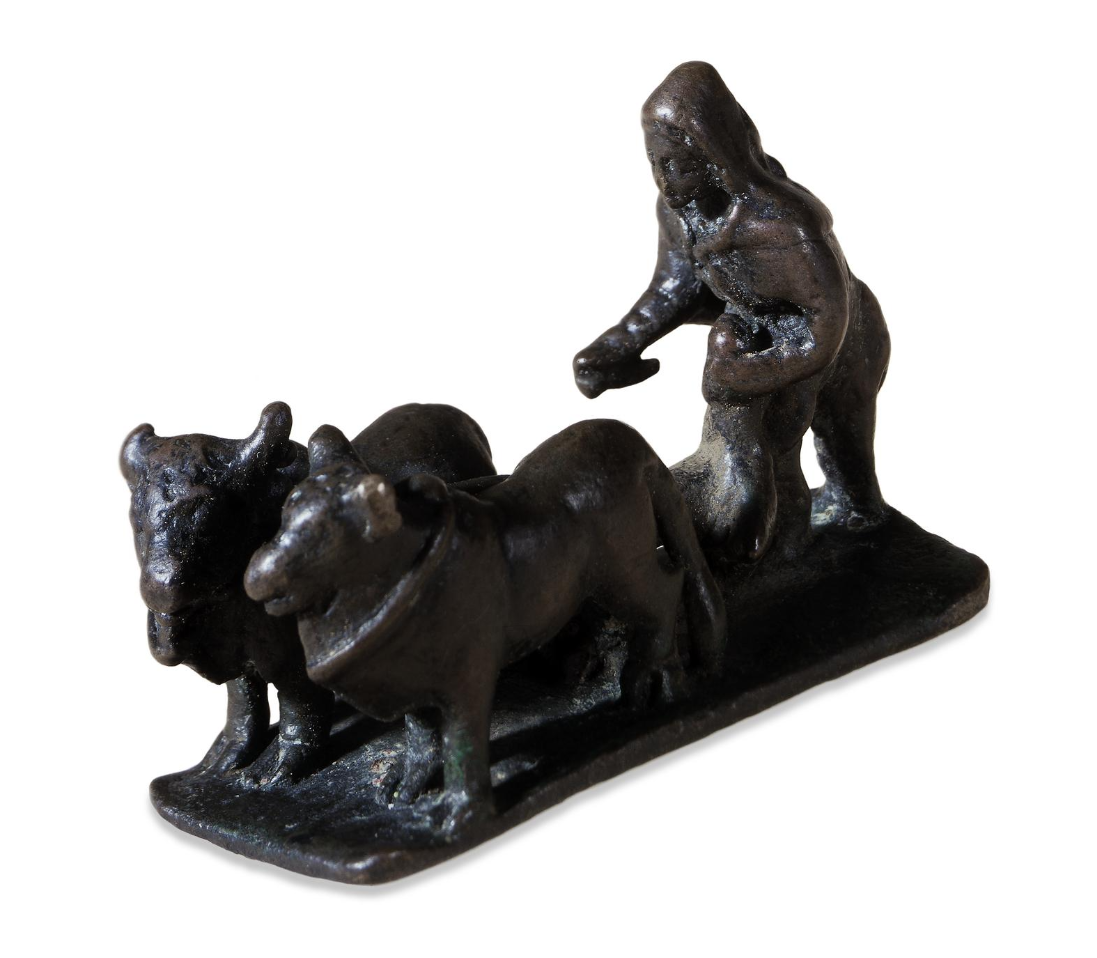
Piercebridge Plough Group, 1stC-3rdC, © The Trustees of the British Museum
David Aaron has held several other items that were registered with the Scheme, including a Bronze Age British Gold Bracelet (DORB3C8E0), a Roman figure of Neptune (OXON-C146AD), and a Bronze Age shield (SF-E0D9C8).
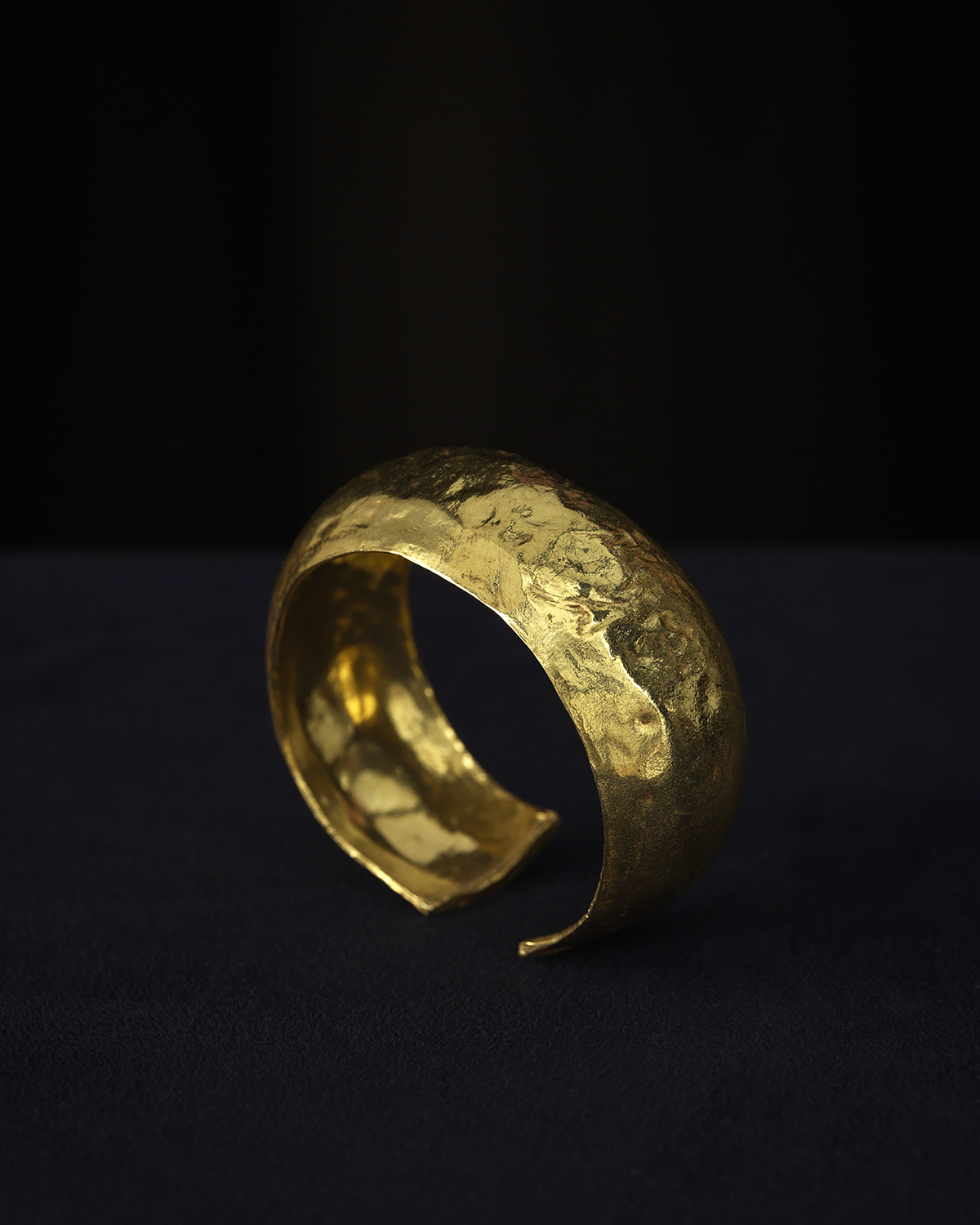
Gold Bracelet, Circa 1400-1100 B.C., Middle to Late Bronze Age, Image: Courtesy David Aaron
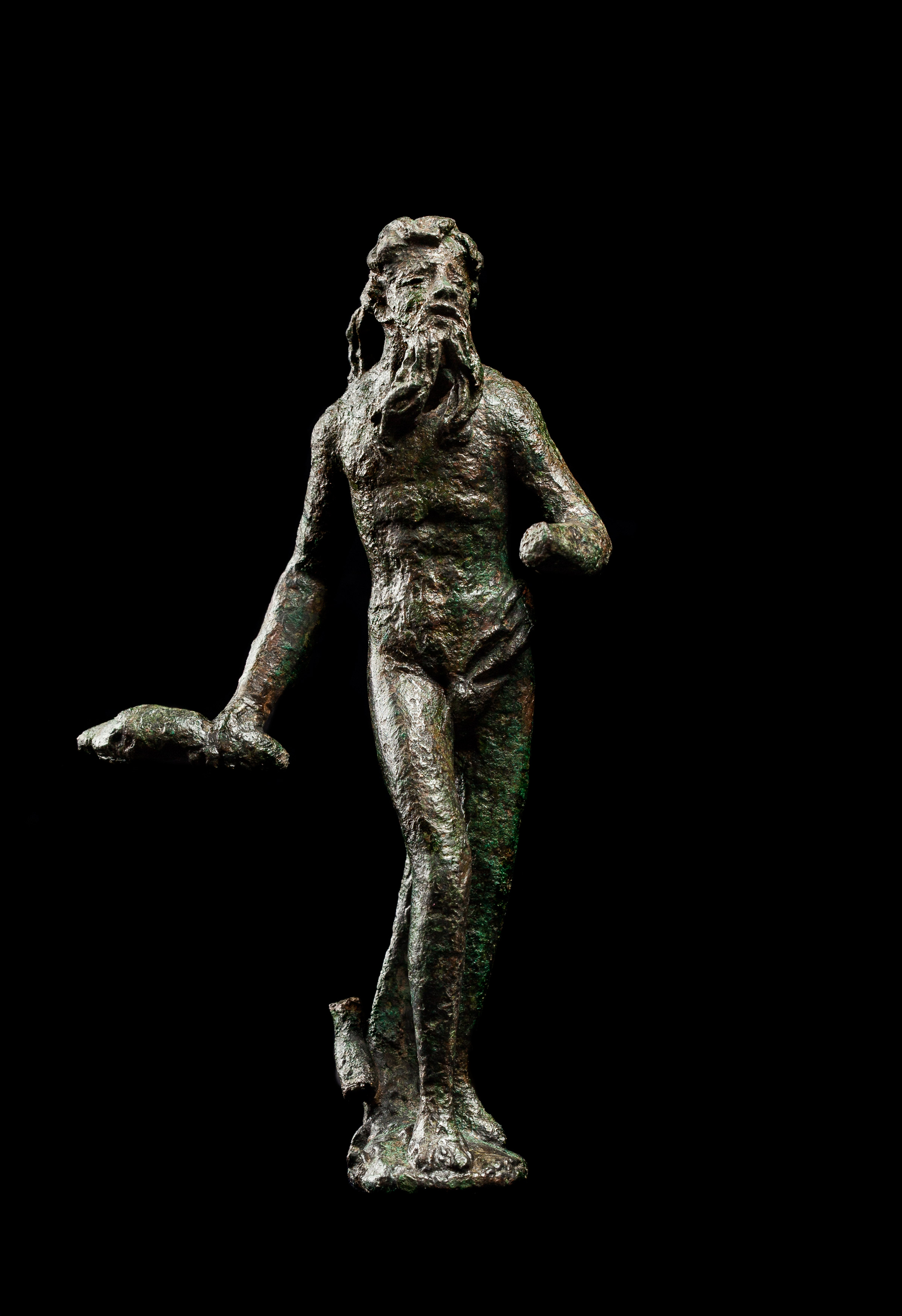
Roman figure of Neptune, 1st century A.D., Roman, Image: Courtesy David Aaron
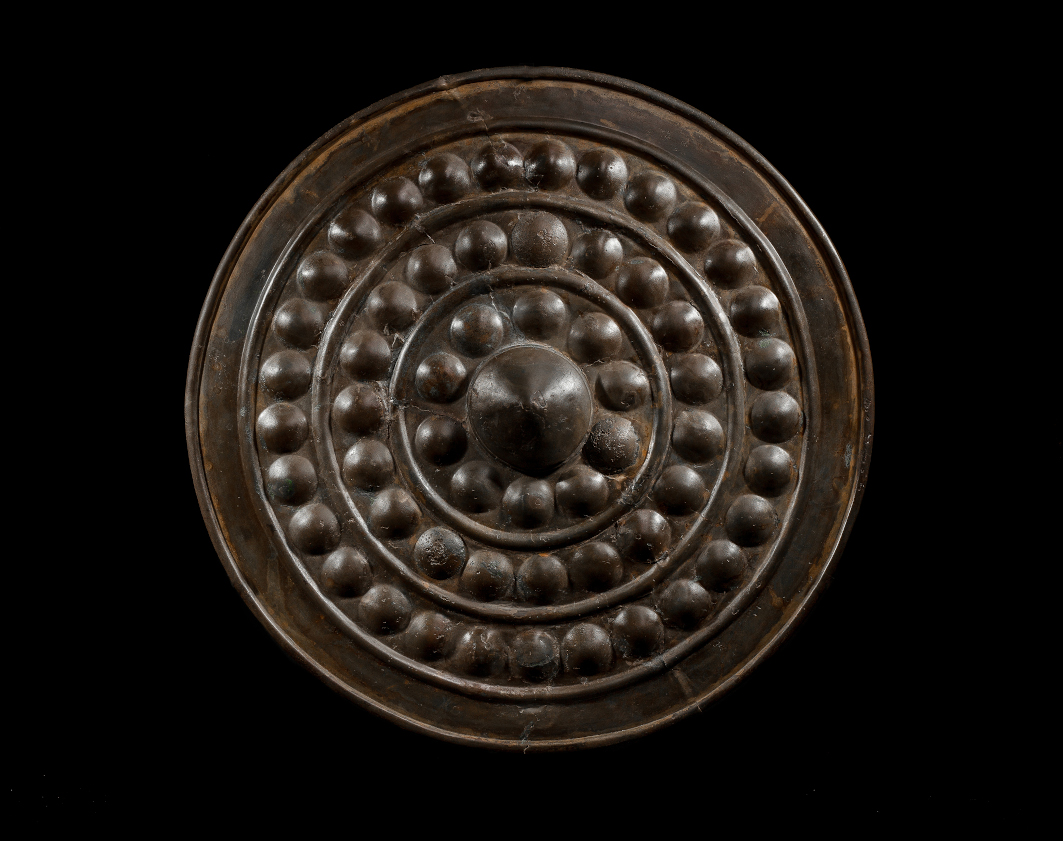
Bronze Age Shield, Bronze Age, 1300-975 B.C., Image: Courtesy David Aaron
David Aaron were pleased to be able to negotiate the sale of the Ryedale bronzes to the York Museums Trust in May 2020. Dr Andrew Woods, senior curator of the Yorkshire Museum, described the works as a collection of ‘national significance and great rarity’. According to Woods, ‘This hoard will allow the museum to tell the important story of rural Roman Yorkshire, while highlighting Roman activity in an area of the county where previously little was known’.
David Aaron Director, Salomon Aaron, said, ‘We are very proud to have handled the Ryedale Roman Bronzes and are delighted that they will be permanently on public display, particularly in a Yorkshire museum, near to where they were discovered’.
The Ryedale Roman Hoard was first displayed as part of ‘The Ryedale Hoard: A Roman Mystery’ exhibition (2022-2024), and remains on display in the Yorkshire Museum, York.
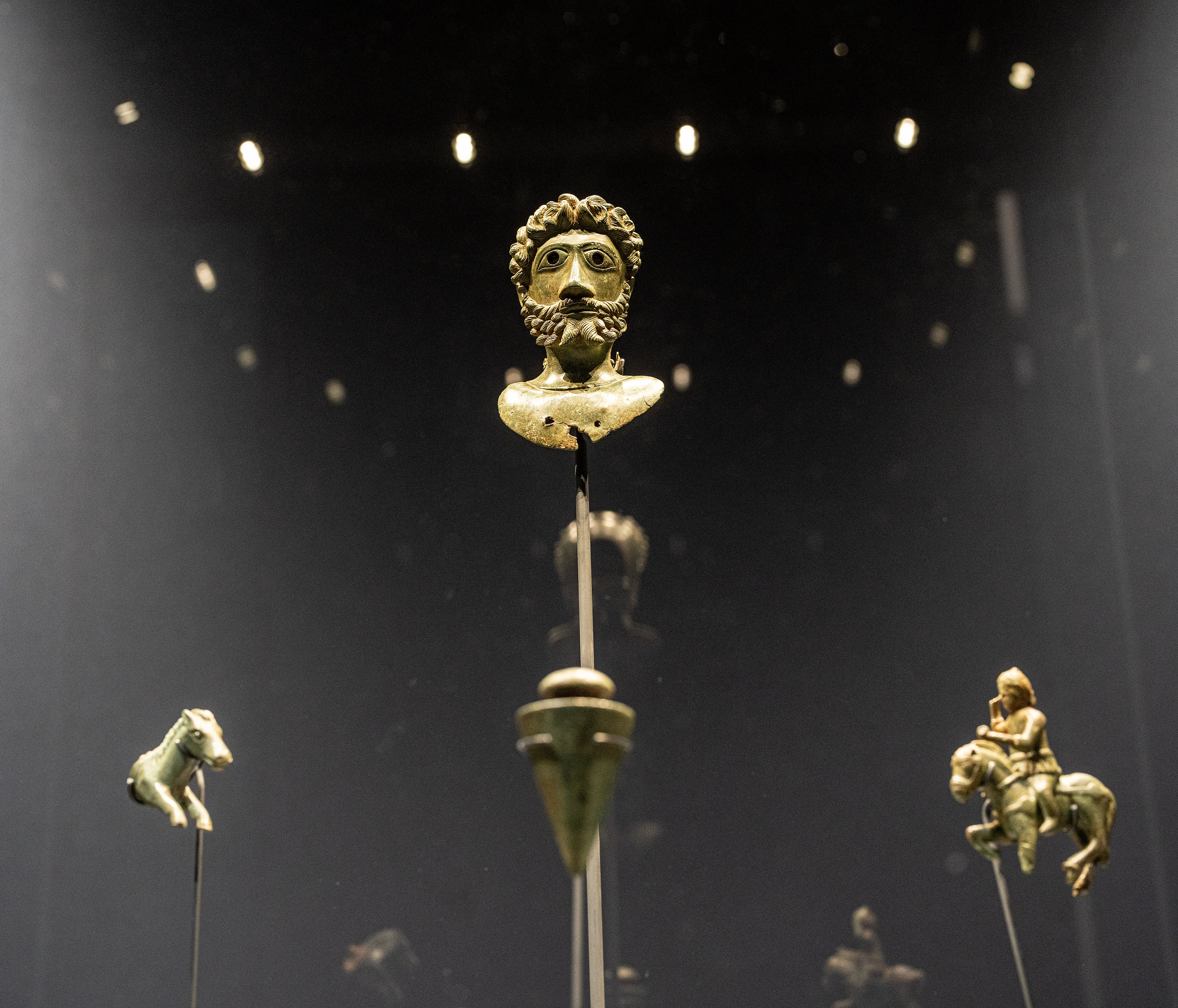
The Ryedale Hoard in the Yorkshire Museum. Photo copyright Charlotte Graham.
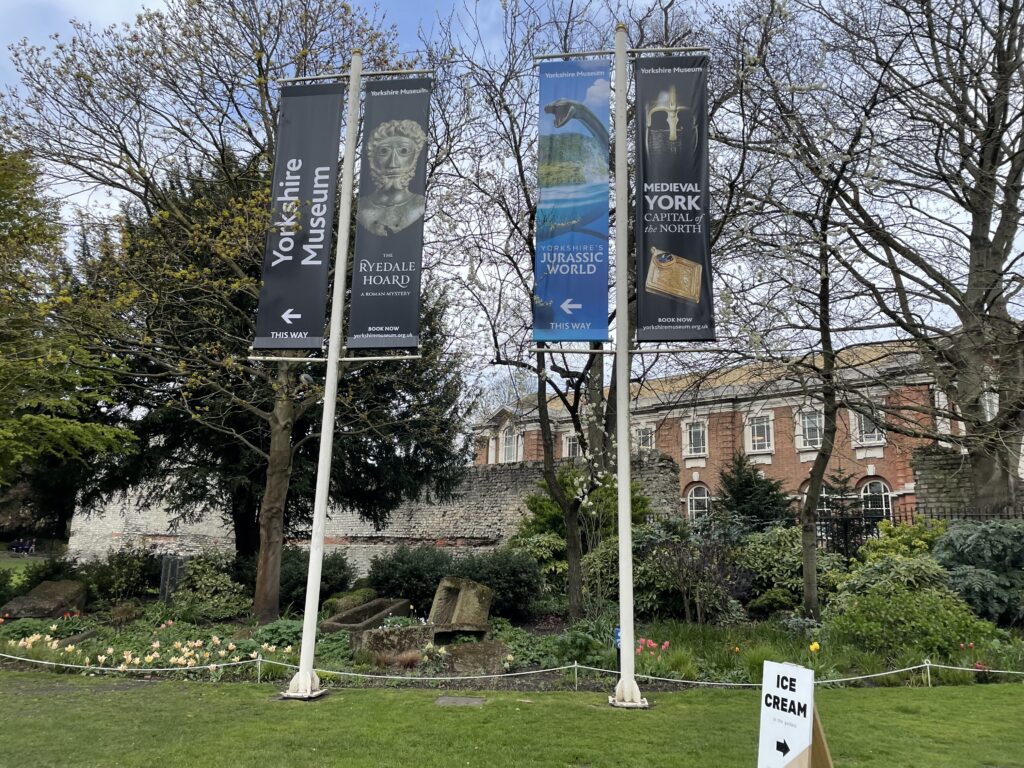
'The Ryedale Hoard: A Roman Mystery’ exhibition at Yorkshire Museum



 Where to find us?
 Newsletter
 Instagram
 Linked in
 Email
Email