Journal
Published 5/8/2025
Published 5/6/2025
Published 5/7/2025
Published 5/8/2025
Published 5/16/2025
Published 5/27/2025
Published 6/25/2025
Published 7/18/2025
Published 10/21/2025
Published 12/19/2025
Published 2/2/2026
Published 2/5/2026
Published 2/11/2026
Published 2/16/2026
Published 5/30/2025
Published 2/25/2026
Published 3/2/2026
Published 10/3/2022
Published 3/23/2026
Published 3/25/2026
Published 4/9/2026
Published 4/13/2026
Published 5/4/2020
Published 4/23/2026
Published 4/29/2026
Published 5/7/2026
Published 5/13/2026
Published 5/19/2026
Published 5/26/2026
Published 11/1/2024
Published 10/12/2022
Published 6/12/2026
Published 10/1/2024
Published 6/24/2026
Published 7/3/2026
Published 11/1/2023
Published 7/17/2026
Published 7/20/2026
Published 8/5/2025
Published 8/5/2025
Published 8/5/2024
Published 8/6/2026
Published 8/6/2026
Published 11/6/2025
Published 11/7/2024
Published 11/5/2024
Published 11/3/2024
Published 8/6/2020
Published 8/6/2020
Published 8/6/2003
Published 8/6/1983
Published 8/6/2026
Published 8/6/2026
Published 8/6/2026
Published 8/6/2026
TEFAF Maastricht highlight: Limestone sculpture spotlights ancient Egypt’s reverence for baboons
Published 10/03/2026

This fascination with monkeys will be spotlighted in David Aaron’s TEFAF Maastricht presentation of a limestone Baboon sculpture, dated to the 26th-30th Dynasty (664-343 B.C.) of ancient Egypt.
Carved fully in the round, the notably large Late Period Egyptian statue depicts a seated baboon facing forward, with its forepaws resting atop its knees. The Baboon’s character is captured in the deep-set, wide, almond-shaped eyes framed by pronounced cosmetic lines that extend towards the edges of the face. The Baboon wears a pectoral ornament in the form of a shrine suspended from a cord around its shoulders. The shrine suggests the statue could have been housed within a temple devoted to the god Thoth.
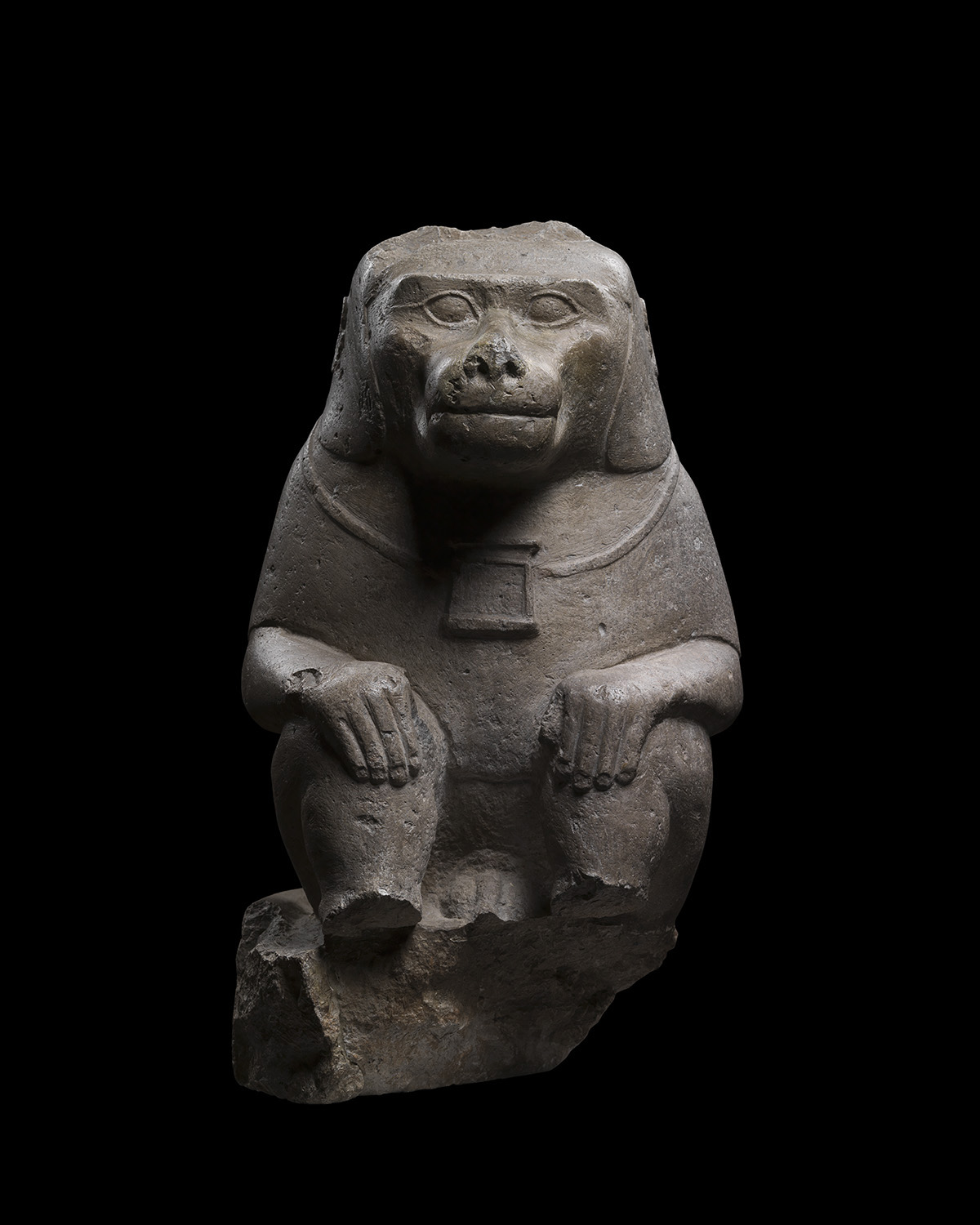
Image caption: Baboon, 664-343 B.C., 26th-30th Dynasty, Late Period, Egypt. Image courtesy David Aaron
Revered figures
Baboons were highly regarded in ancient Egypt as an embodiment of Thoth, god of the moon and wisdom, and as an advisor to Ra the sun god. Thoth was depicted as a dog-face baboon or a man with the head of a baboon when in the form of A’an, the god of equilibrium. When in the guise of a baboon, Thoth was often shown with a lunar disc atop his head. The appearance of damage to the top of this statue could inidcate where a disc was previously attached.
Ancient Egyptians saw baboons as the original devotees of the rising and setting sun and they were often depicted with their arms outstretched in solar worship. The chattering of baboons was thought to communicate secret knowledge, and they were frequently represented with water clocks or scales for weighing the hearts of humans awaiting their final judgement.
Baboons were not native to Egypt and research indicates that the ancient Egyptians likely imported them from modern-day Somalia, Eritrea and Ethiopia by way of long maritime expeditions. Depictions of baboons can be found throughout the art and religion of ancient Egyptian society – both in the form of statues, such as David Aaron’s limestone baboon sculpture, and in tomb reliefs Additionally, mummified baboons discovered in Egypt provide further evidence of the ancient Egyptian’s reverence for the species.
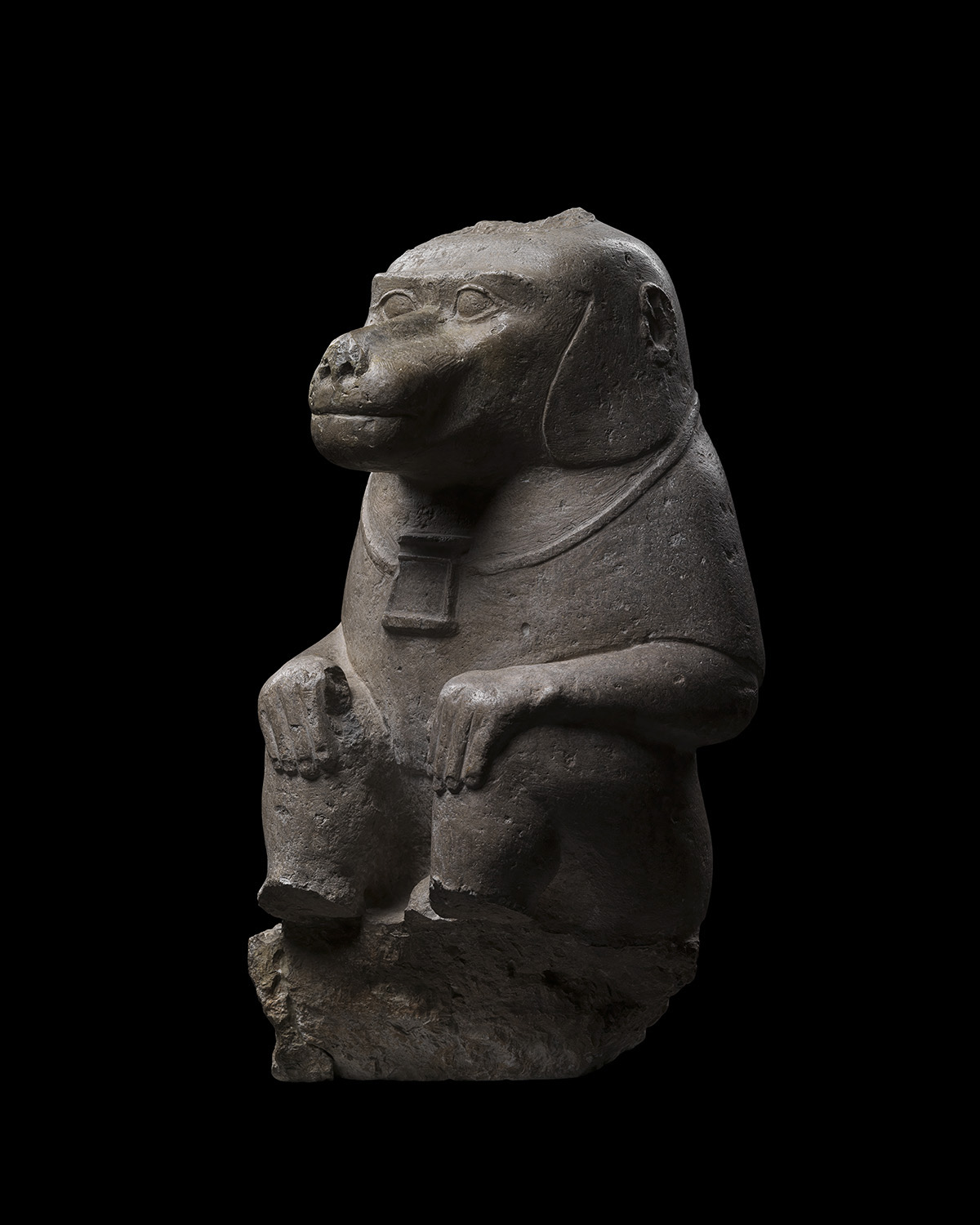
Image caption: Baboon, 664-343 B.C., 26th-30th Dynasty, Late Period, Egypt. Image courtesy David Aaron
Distinguished provenance
The limestone baboon was previously owned by Egyptian antiquities dealer Albert Eid (1886-1950), by at least 1961. Eid owned an antiquities shop at Sikket el-Bâdistân in Khan el-Khalili called ‘Albert Eid & Co’.
By 1969, the sculpture was in the hands of Galleria Geri, Milan, founded by Aldo Geri (1903-1981) in 1946, following in the footsteps of his father, Florentine dealer Alfredo Geri (1867-1947). Alfredo Geri was instrumental in the return of the stolen Mona Lisa by Leonardo Da Vinci to the Uffizi gallery – when the thief, Vincenzo Peruggia, approached Geri with an offer to buy the painting, Geri immediately went to the authorities. That Peruggia went to Geri is testament to the highly regarded reputation he had built for himself amongst the Florentine art community.
This event generated positive press for the gallery, and Geri was able to expand the business into Milan in 1916, Venice in the 1920s, Rome in 1929, and increase the number of shops in Florence.
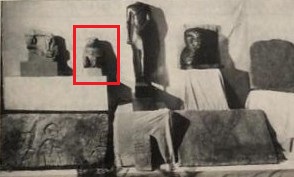
Image caption: Image promoting a sale at Galleri Geri, Milan, 1969-1970.
The limestone Baboon will be on display in David Aaron’s TEFAF Maastricht stand, number 804, from 14 – 19 March 2026. Discover more TEFAF Maastricht highlight pieces here: www.davidaaron.com/event-details/50365



 Where to find us?
 Newsletter
 Instagram
 Linked in
 Email
Email