



Journal
Published 5/8/2025
Published 5/6/2025
Published 5/7/2025
Published 5/8/2025
Published 5/16/2025
Published 5/27/2025
Published 6/25/2025
Published 7/18/2025
Published 10/21/2025
Published 12/19/2025
Published 2/2/2026
Published 2/5/2026
Published 2/11/2026
Published 2/16/2026
Published 5/30/2025
Published 2/25/2026
Published 3/2/2026
Published 3/10/2026
Published 3/23/2026
Published 3/25/2026
Published 4/9/2026
Published 4/13/2026
Published 5/4/2020
Published 4/23/2026
Published 4/29/2026
Published 5/7/2026
Published 5/13/2026
Published 5/19/2026
Published 5/26/2026
Published 11/1/2024
Published 10/12/2022
Published 6/12/2026
Published 10/1/2024
Published 6/24/2026
Notable sale: Montataire Bowl
Published 03/10/2022

The pale green glass bowl, which survived in one piece for over 1,500 years, is divided into four panels by bands of applied glass in zigzag pattern. A hollow-blown claw decoration projects from the centre of each panel. This kind of decoration appears in several other examples of Gallo-Roman glassware that have been found in Northern France, Belgium, and Luxembourg, such as one found in the cemetery at Steinfort, Luxembourg, and now in The Metropolitan Museum of Art, New York (81.10.163).
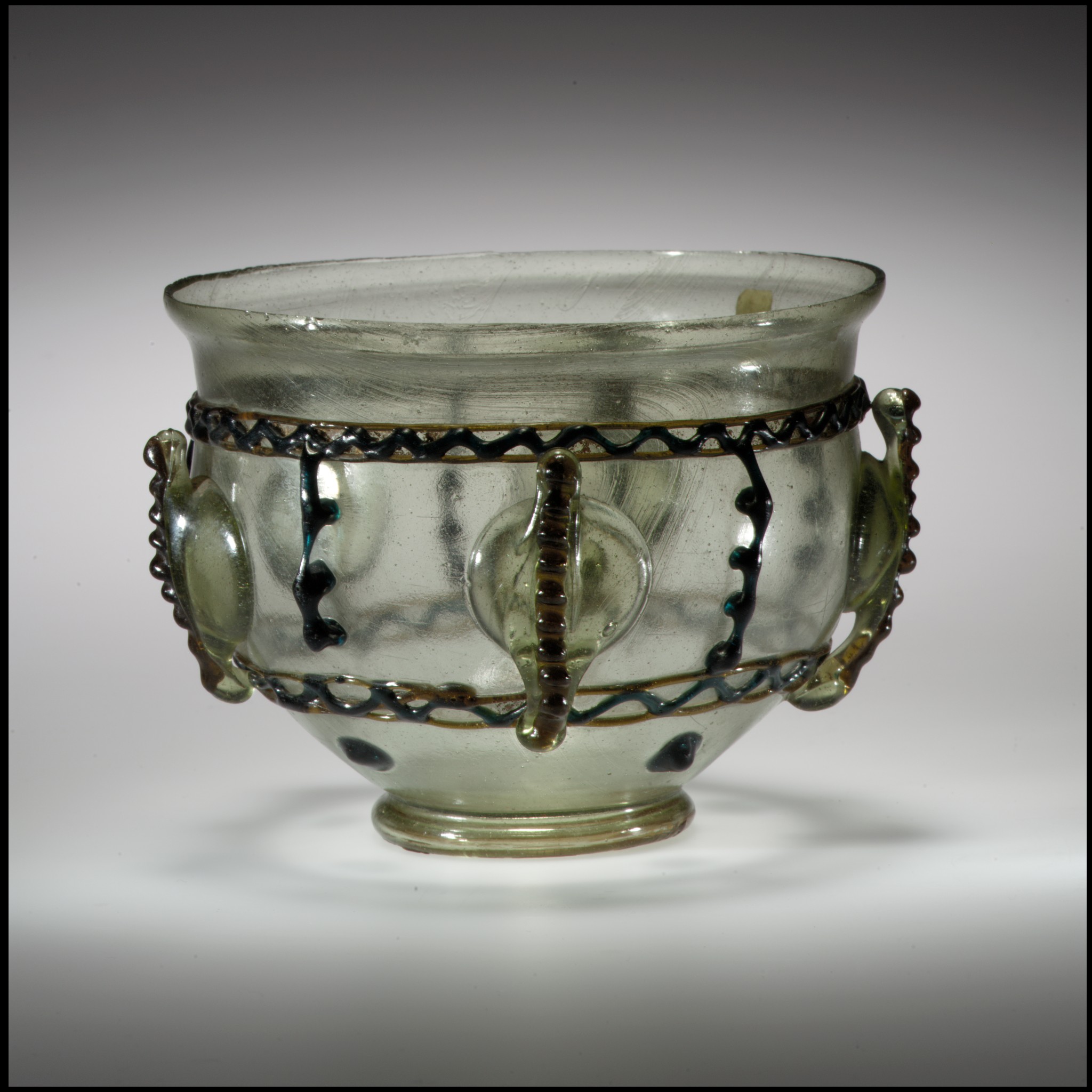 Image: Glass Bowl, Late Roman 375–425, The Metropolitan Museum of Art
The Montataire Bowl is a prime example of the sophisticated glass-blowing technique which was first brought to the region by the Romans, and later perfected. The style remained popular following the fifth-century Frankish invasion, and during the subsequent Frankish-Merovingian society, until the eighth century. Glass claw beakers have even been found in Anglo-Saxon burial sites, attesting to their wider appeal.
This bowl was discovered underneath the walls of the Château de Montataire, in Oise, northern France. Montataire is the site of a well-known Merovingian necropolis that was first discovered in the nineteenth century and further excavated in the twentieth. The earliest funerary goods excavated from the site have been dated to the late fifth century A.D.. Scientific analysis has revealed that the population of Montataire was predominantly Gallo-Roman at this time. One of the earlier regions to be Christianised, it shares many similarities with the early Christian Gallo-Roman cemetery of Marteville, Picardie.
Less than 100 km from where the Montataire Bowl was found, another bowl with claw decoration was recovered from a tomb near the Marteville necropolis, along with a coin featuring the Emperor Gratian (359-383 A.D.). The Montataire Bowl stands out as a rare example of one of very few, fine quality glass vessels that have survived from this period – most of the other funerary goods discovered at Montataire were of lesser craftmanship, and have been significantly more worn over the centuries.
An Unexpected Discovery
The 1849 discovery of the Montataire Bowl is recorded in an old label on the base of the foot, reading, ‘Coupe / Trouvée dans un Tombeau, en Montataire 1849’ (cup, found in a tomb in Montataire, 1849). In this year, a man named Mr. Minguet, who was living just within the walls of the grounds of the Château de Montataire, decided to dig a new cellar in the corner of his garden. His digging soon revealed a buried tomb, which held a stone sarcophagus filled with an array of grave goods. Of these, the most notable was a glass vessel with a narrow neck, containing a second, smaller glass vessel – due to their comparative sizes, the Roman glassblower must have crafted the larger vessel around the smaller one in a clever demonstration of great skill. The Montataire Bowl is the smaller of the glasses found in the sarcophagus, the larger one having broken at some point in the nineteenth century.
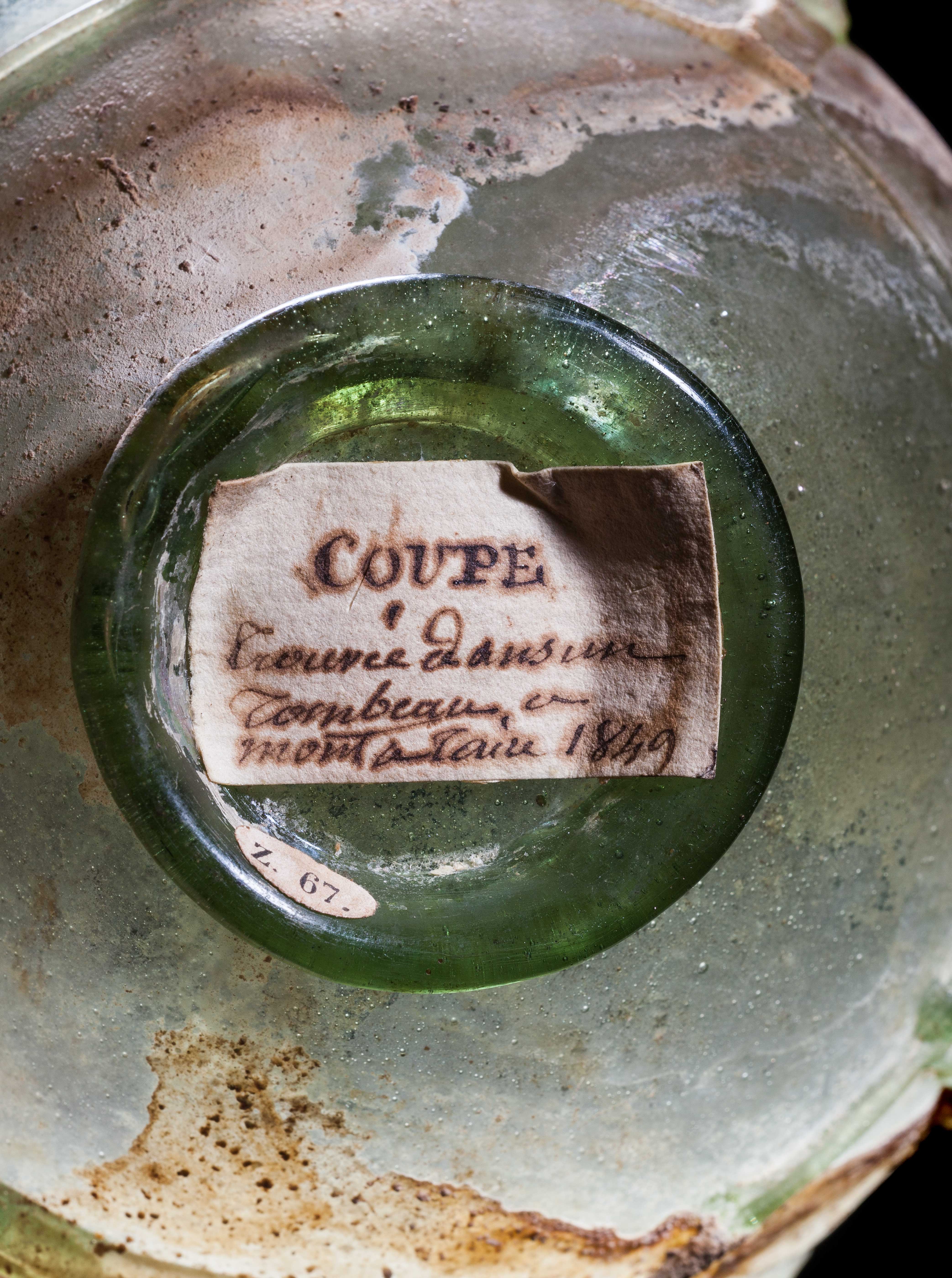 Image: Montataire Bowl, c. 4-5th century A.D., Gallo-Roman or Merovingian. Image courtesy David Aaron.
Minguet, who was known to locals as a philosopher, freethinker, and heavy drinker, immediately decided that he wanted to be buried in the sarcophagus when he himself passed away. Unfortunately, Minguet died of cholera shortly afterwards. In keeping with his wishes, his friends used the sarcophagus for his coffin and, in keeping with his character, they buried him with his pipe in his mouth and half a litre of brandy by his side. As the solid stone sarcophagus was too heavy for his friends to lift, they had to transport it to the graveside on a small low cart, of the kind normally used to transport large blocks of stone. These carts were colloquially known as ‘diables’ (devils), giving rise to the exclamation that Minguet had been taken to his grave by the devil!
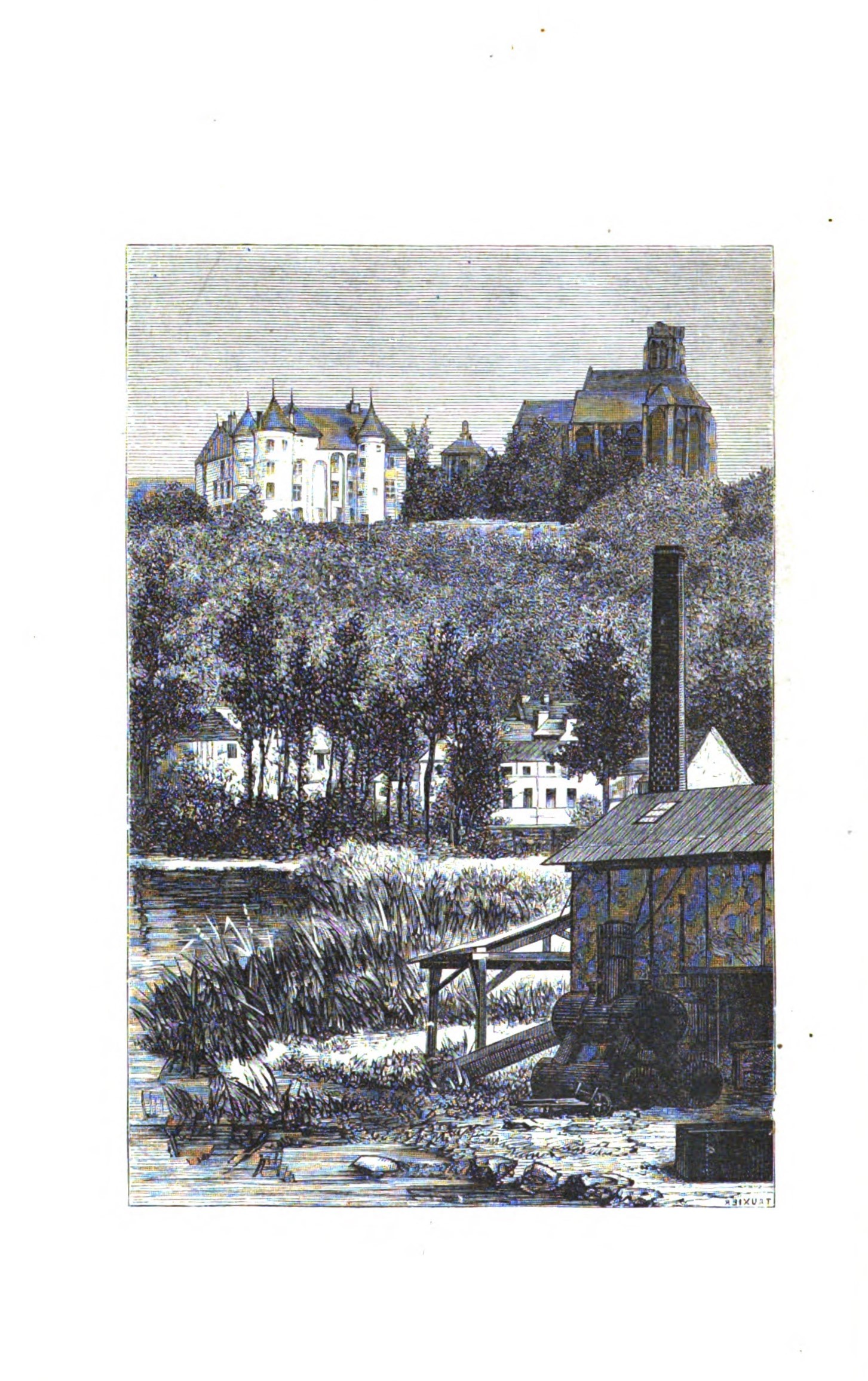
Image: Illustration of Chateau de Montataire
A Tale of Two Castles
Minguet’s discovery, and the following events, are recorded within the history of the region written by the later owner of the Château de Montataire, Baron George Ferdinand de Condé, in 1883. He records that, after its discovery, the Montataire Bowl was kept at the Château de Mello, a neighbouring castle a little over one hour’s walk from the Château de Montataire. Château de Mello was home to the Seillières, a wealthy banking family who had bought the castle in 1819. Florentin-Achille Seillière (1813-1873) was a noted art collector, with a particularly famous library. The bowl is recorded in the 1866 inventory of the Château de Mello, and it remained there with the family until very recently.
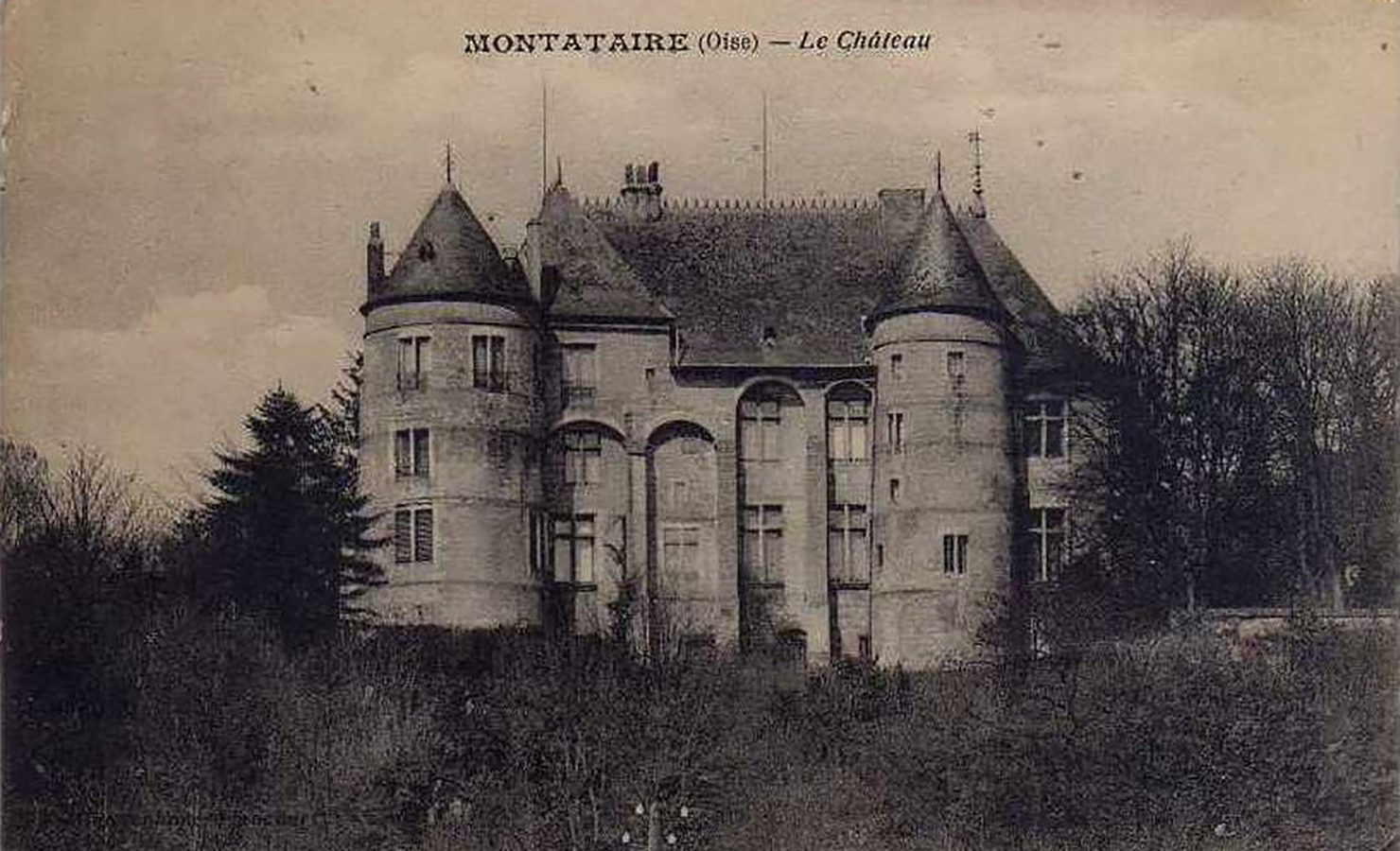 Image: Château de Montataire
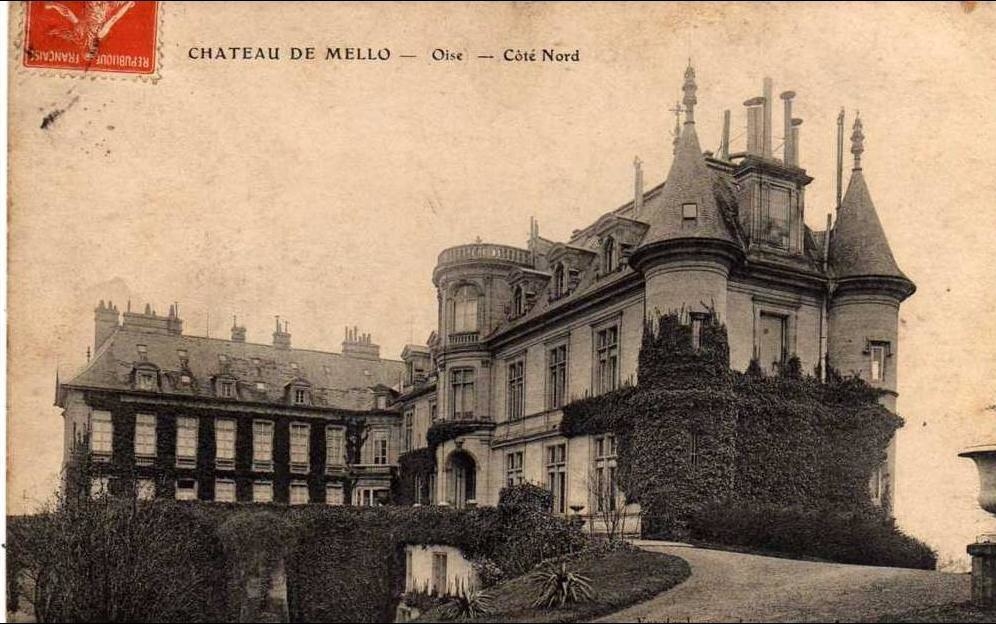 Image: Château de Mello
 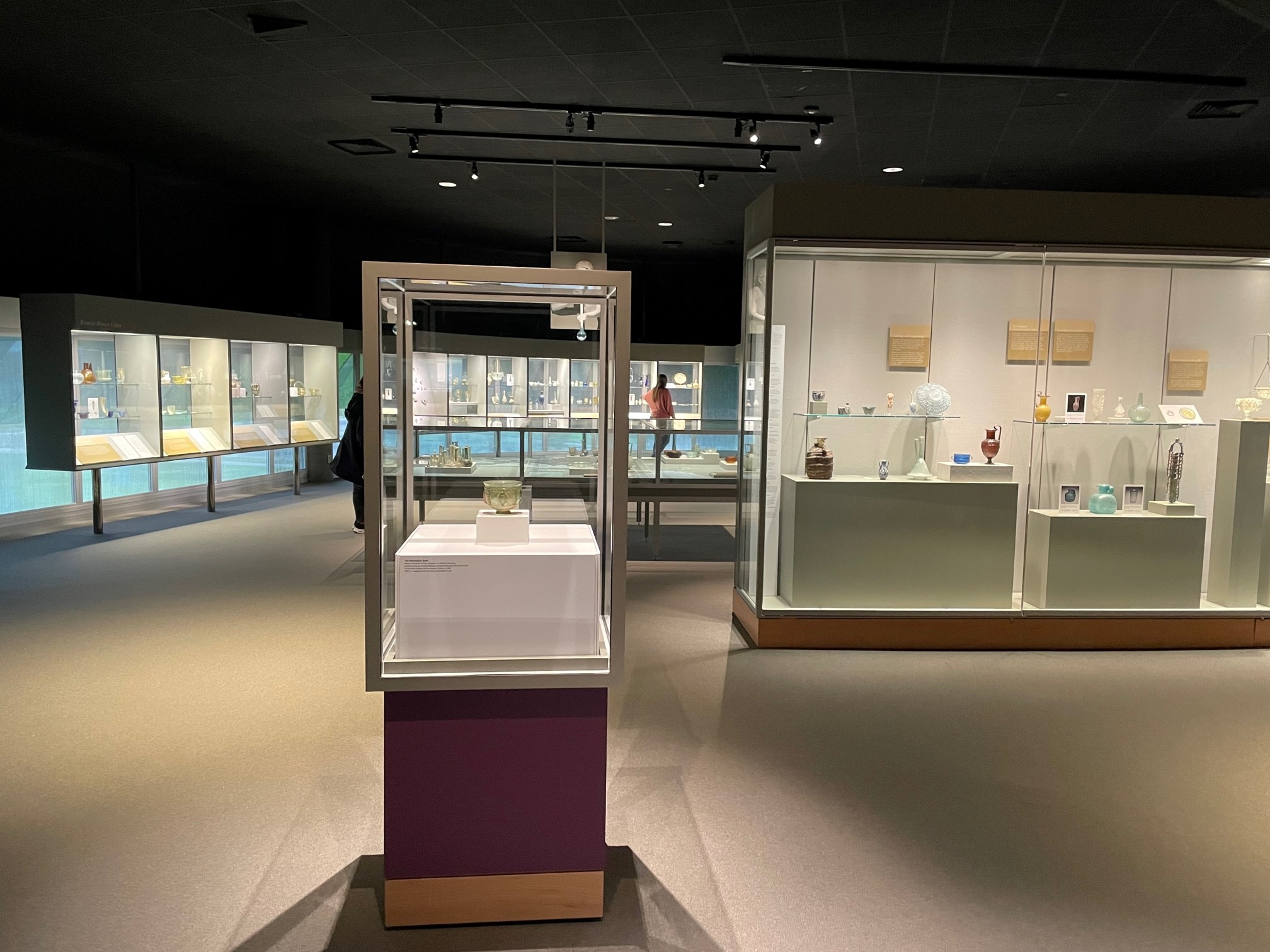 Image: Ancient Gallery of the Corning Museum of Glass

