



Journal
Published 5/8/2025
Published 5/6/2025
Published 5/7/2025
Published 5/8/2025
Published 5/16/2025
Published 5/27/2025
Published 6/25/2025
Published 7/18/2025
Published 10/21/2025
Published 12/19/2025
Published 2/2/2026
Published 2/5/2026
Published 2/11/2026
Published 2/16/2026
Published 5/30/2025
Published 2/25/2026
Published 3/2/2026
Published 3/10/2026
Published 10/3/2022
Published 3/23/2026
Published 3/25/2026
Published 4/9/2026
Published 4/13/2026
Published 5/4/2020
Published 4/23/2026
A Goddess Rediscovered
Published 29/04/2026

For forty-four years, this bust was hidden from the public eye, but has now been revealed as the work of the Greywacke Master.
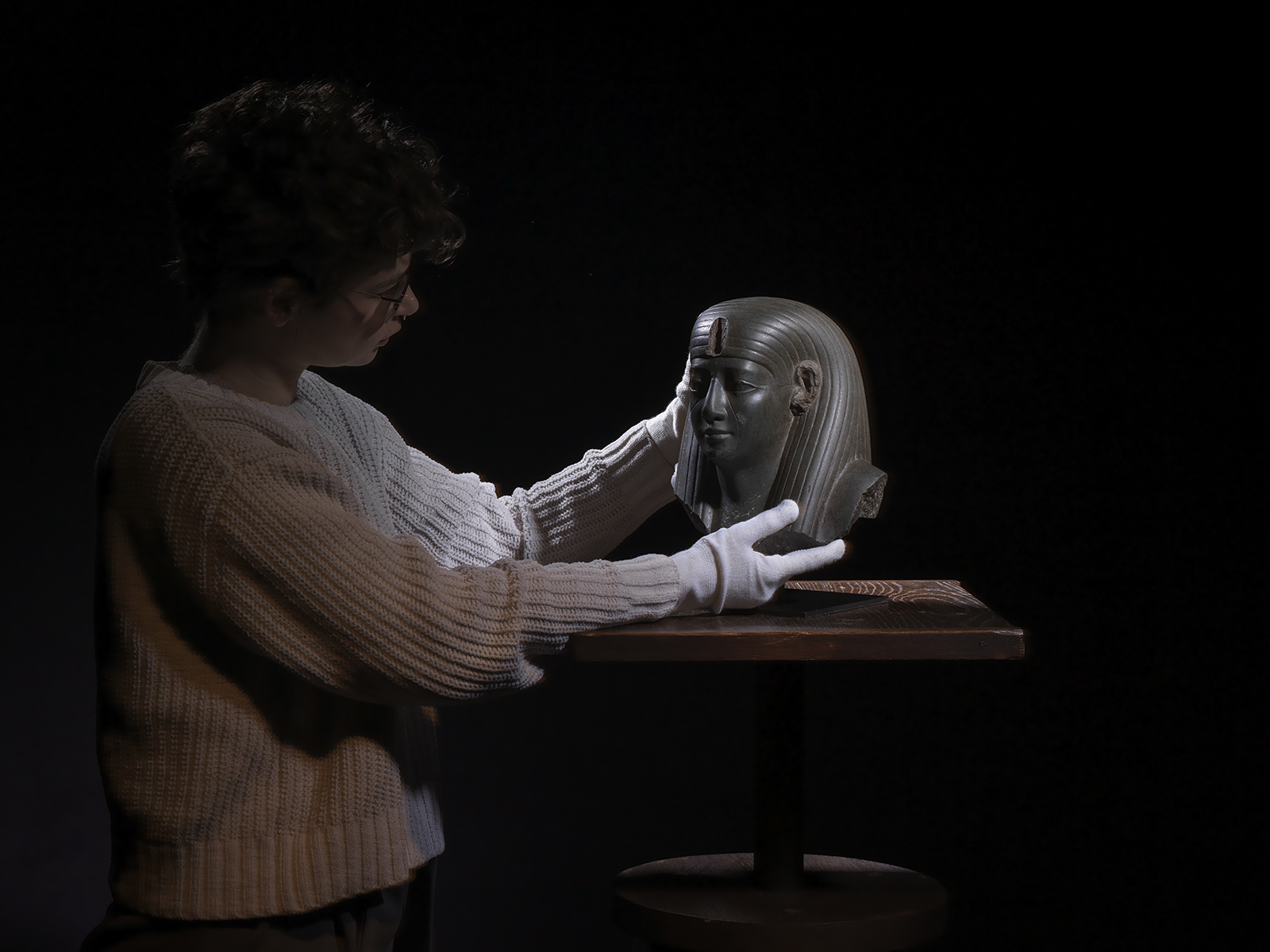
A Goddess by the Greywacke Master, Dynasty XXVI, Reign of Amasis II, 570-526 B.C., Egypt. Image: David Brunetti
Unearthing the provenance
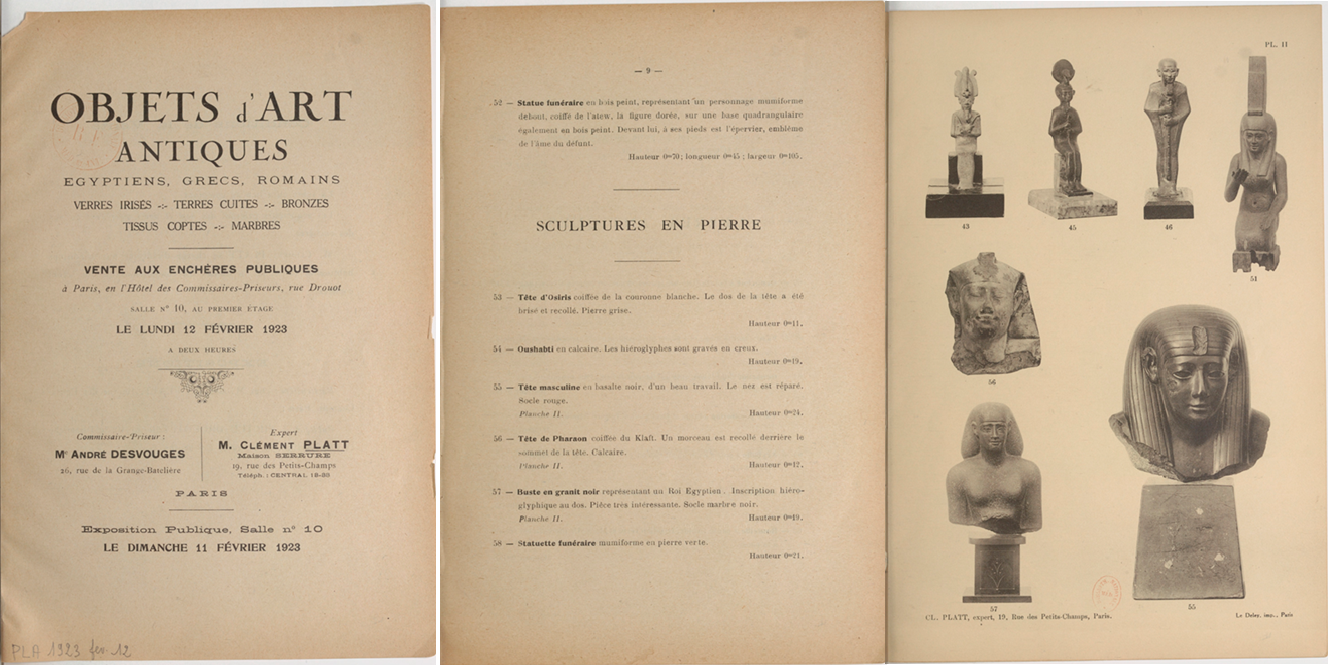
Objets d’Art, Antiques Egyptiens, Grecs, Romains, Hôtel Drouot, Paris, 12 February 1923, Lot 55.
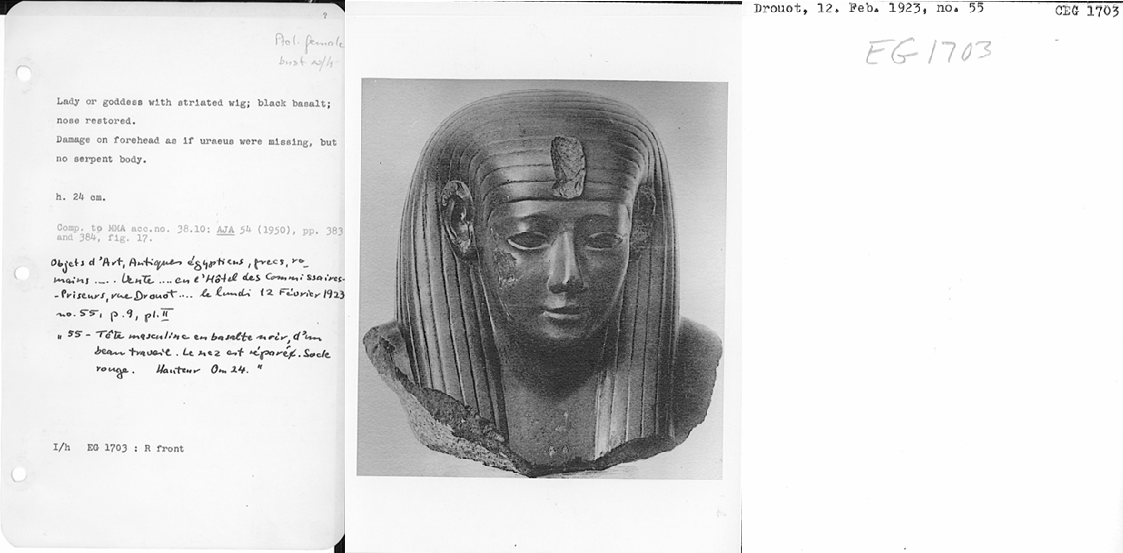 Statue recorded in the files of Bernard V Bothmer (1912-1993) as EG 1703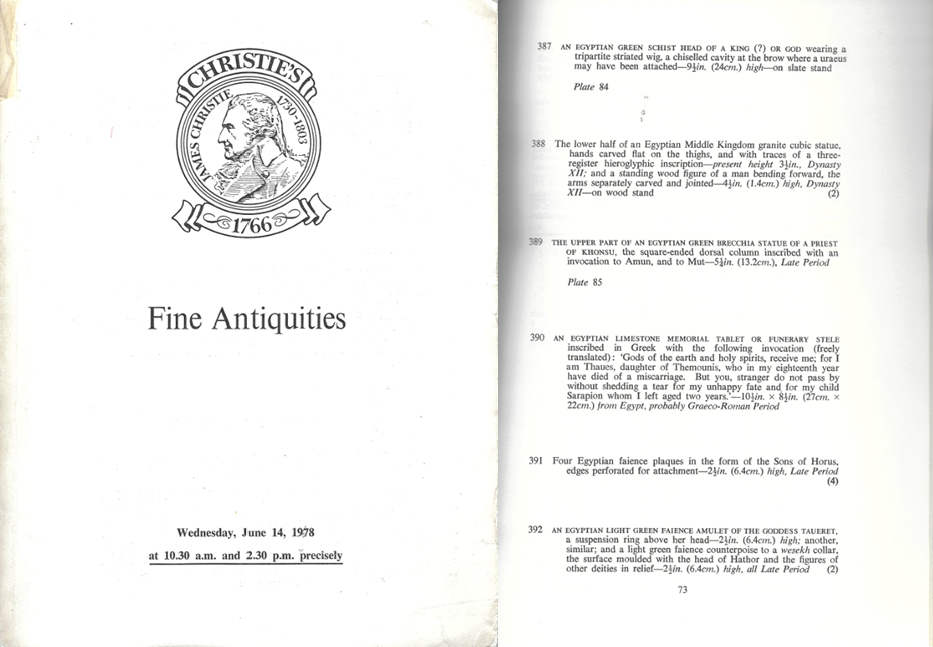
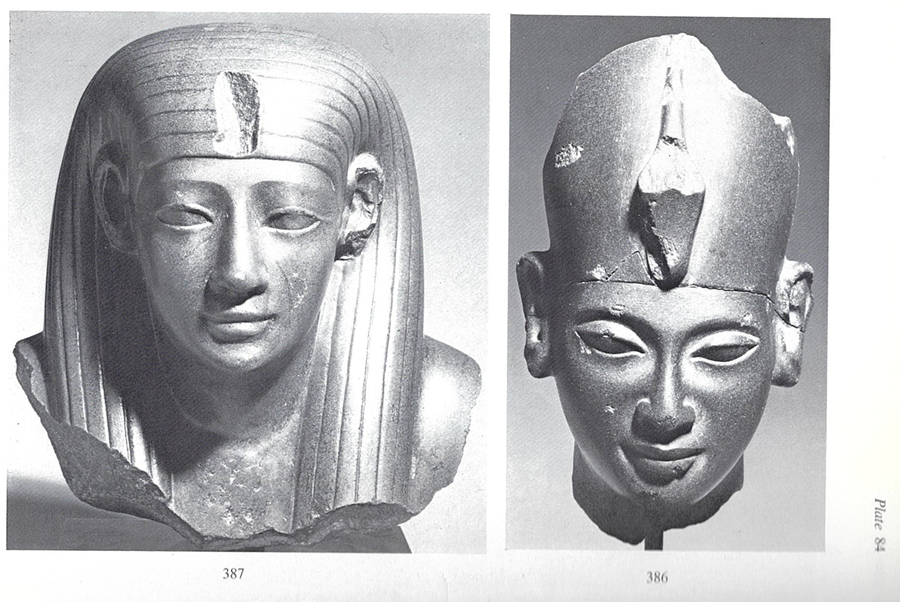 Christie's Fine Antiquities sale, 14 June 1978, Lot 387.
The art-historical research builds a picture of the head’s whereabouts in the twentieth century, but also raises some new questions. Who was the head – a man, a king, a god, or a goddess? What was it made from? And what happened to its nose?
Scientific analysis
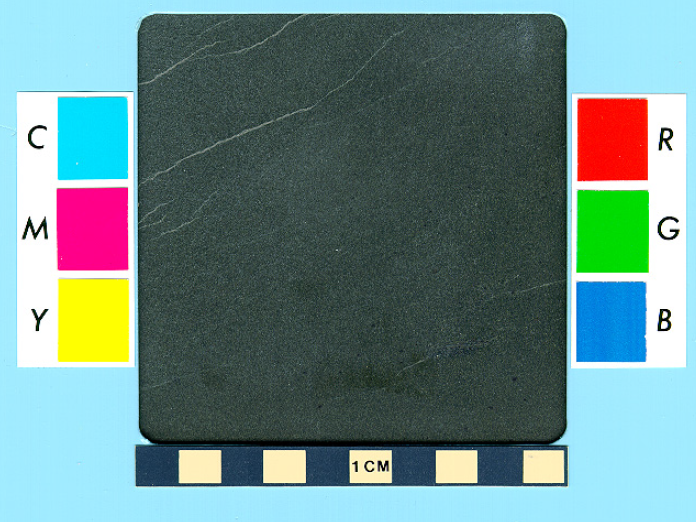
Hammamat metagraywacke
More clues about this unusual nose job were unearthed when conservationist Kate Bowles carefully removed and documented the restorations. A layer of paint and dark wax were removed from the base of the head, revealing a large section of green resin, which seemed to match the resin on the surface of the nose and chin. With the resin removed, the fragments of stone forming the restored areas could be extracted and examined individually. These fragments were of varying size and shape, and some of them were clearly carved with designs that matched the rest of the bust. We found pieces that lined up with the bottom right end of the wig, the rear of the wig, and the division between the arm and shoulder. The fragments were marked with traces from a reciprocating saw, which were also found on the underside rear of the statue.
The story of the bust was captured in its physical material. A section of stone was cut from the underside rear, then trimmed into a block, from which the new nose was carved. A chisel was then used along the sawn edges, and leftover fragments were mixed with magnesite cement and applied to surface to cover up the traces of the sawing. The cement was carefully colour-matched to the stone, and a final layer of talc mixed with organic resin and pigments was then applied as a cosmetic coating to further conceal this clever restoration. As well as the nose, the restorer reworked the cosmetic lines at the outer corners of both eyes.
A restoration of this kind would be virtually unthinkable today, when great emphasis is placed on minimally invasive and reversible conservation techniques that try to stay as true to the original object as possible. The restoration was clearly done by someone incredibly skilled in stone carving, and who had great confidence in their ability to recreate ancient Egyptian work – once the stone removed from the back of the bust had been carved, there would be no material for a second attempt without doing further damage to the statue. No matter the skill of the carver, however, any restoration speaks to the character and tastes of its own time period. To modern eyes, the restored nose simply raised questions about the sculpture’s antiquity. With these restorations removed, it became clear that the piece was truly an ancient Egyptian masterpiece.
Dating the restoration
Close comparison of the bust with a statue in the Kunsthistorisches Museum, Vienna, supplies the next piece of the puzzle. A greywacke bust of a man dated to the end of the fourth century B.C. (Ägyptische Sammlung, INV 20) exhibits clear signs of reworking. Like our bust, the Vienna statue has an unusually shiny and polished surface, and evidence of re-carving around the eyes and eyelids. The reworking looks distinctly modern, though clearly trying to follow the style of the Late Period. Most notably, the nose of the Vienna bust is probably not original – the nostrils are too wide for the base of the nose on the face – and yet is carved from the same stone as the rest of the statue. Vivian Davies, previously Keeper at the British Museum, noted that the new nose must have been crafted from fragments of the lower part of the statue.
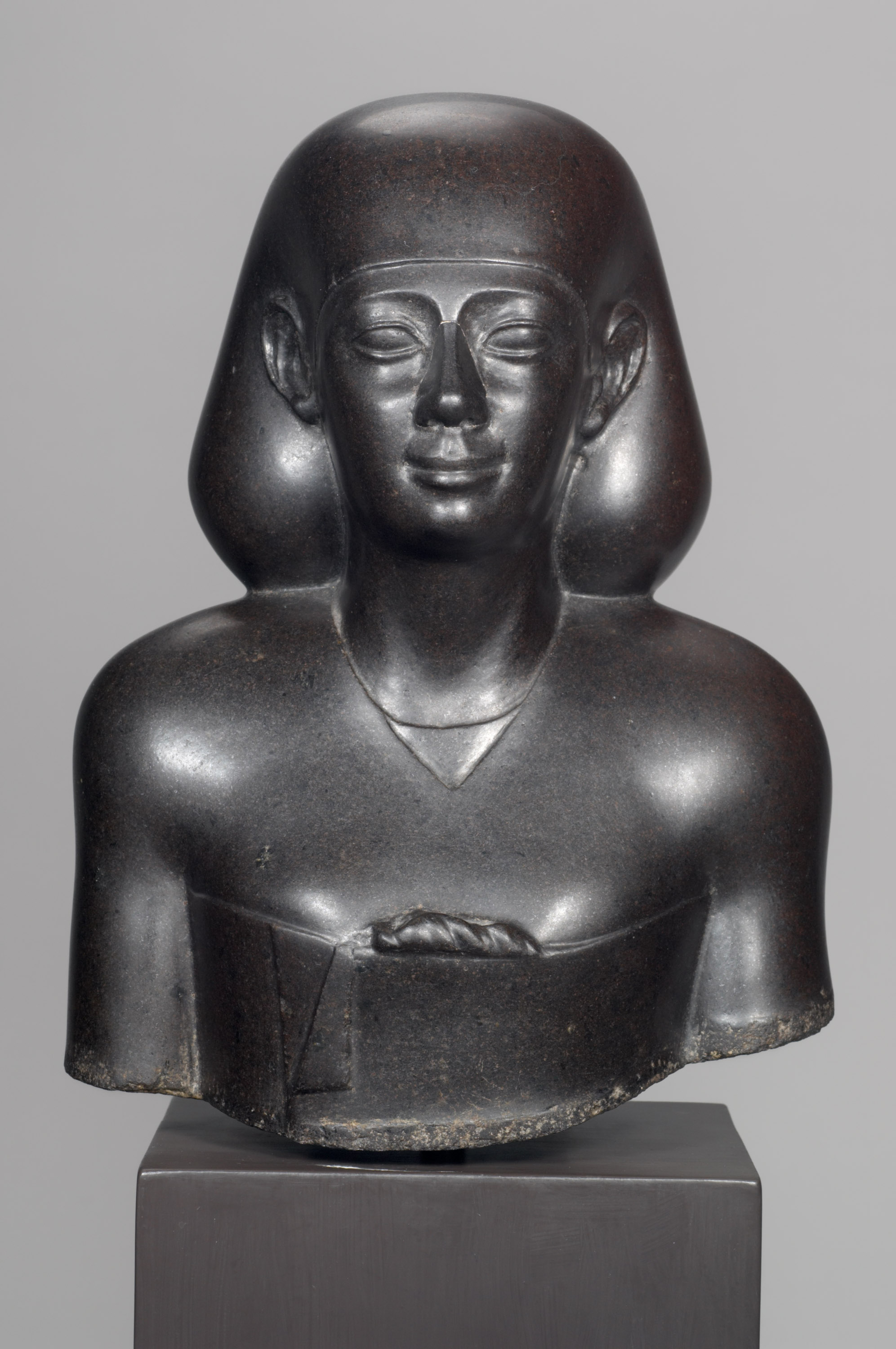
Bust of a man, presumably end of the 4th century BC, Kunsthistorisches Museum, Ägyptisch - Orientalische Sammlung
Another group of five Egyptian statues, found at the ancient Roman estate of Horti Sallustiani and now in the Gregorian Egyptian Museum, were restored by Francesco Maratti Padovano (c. 1669-1719) for Pope Clement XI at the start of the eighteenth century. Maratti crafted new pieces to replace missing sections of the statues, including a new nose and chin for a statue of Queen Tuya (Musei Vaticani, cat. 22678).
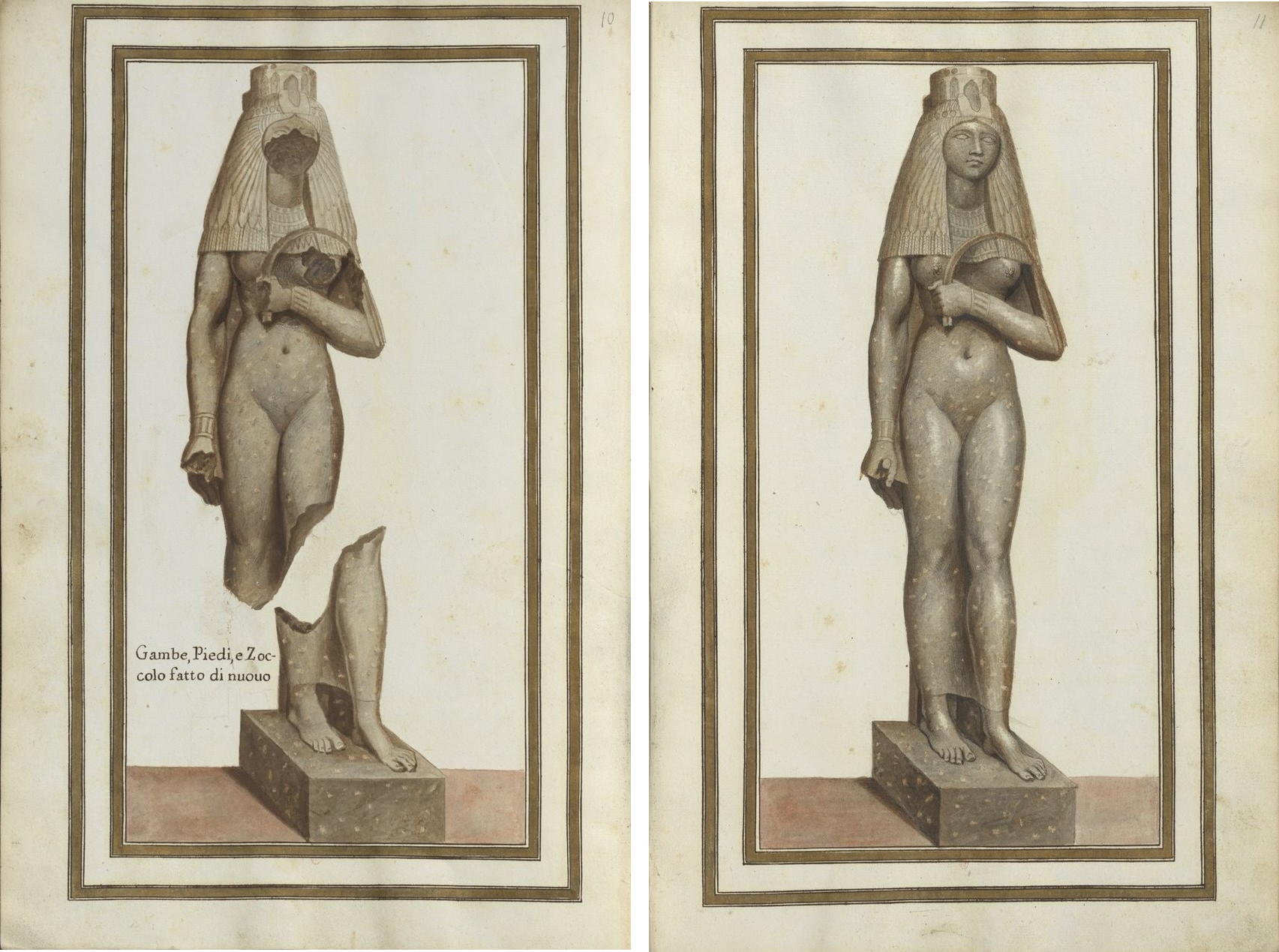
Bibliotheque nationale de France
Attributing a masterpiece
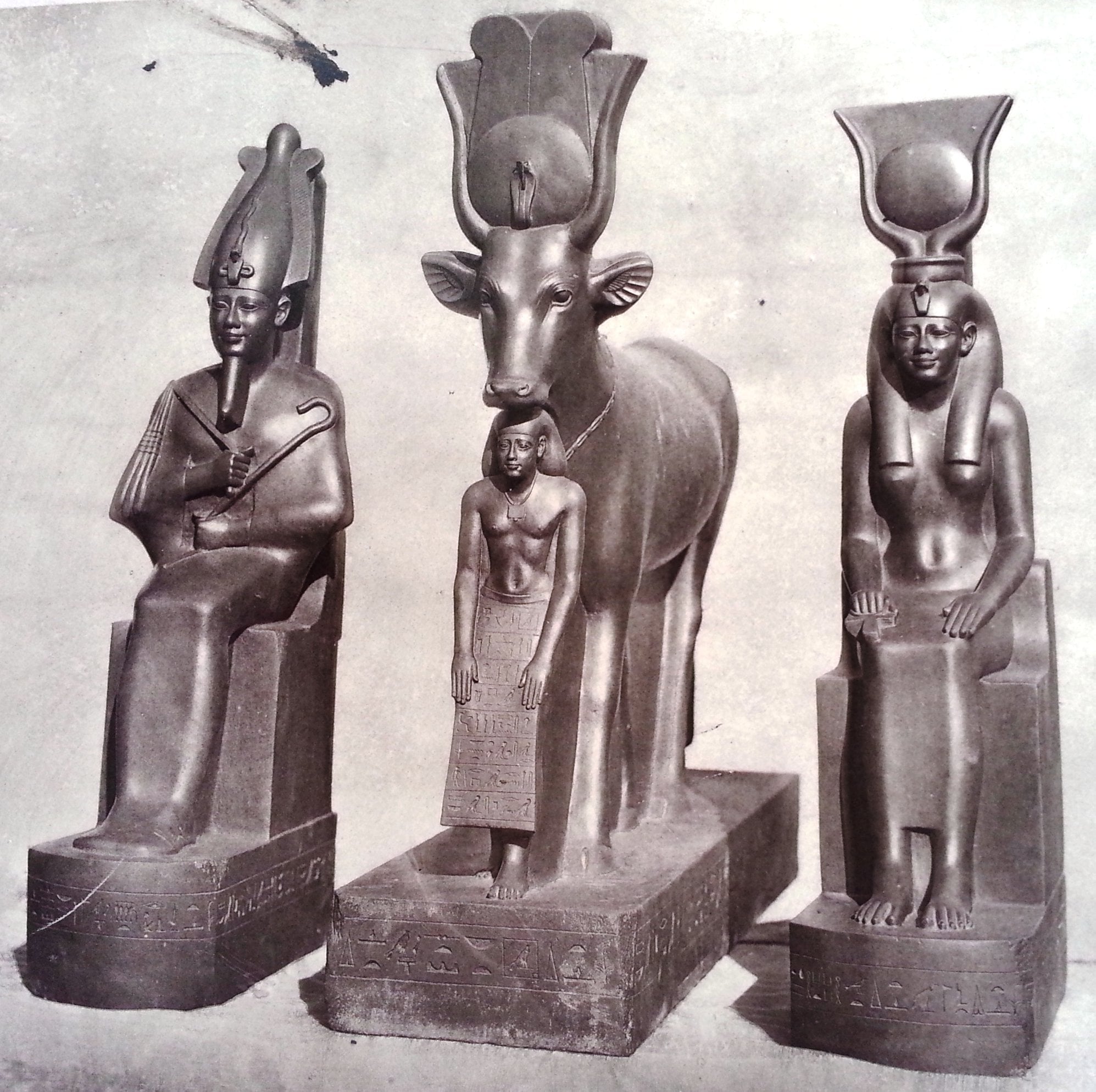
Artifacts from Tomb of Psamtik in Boulaq Museum, 1870s. Photograph: MM. Delié and Béchard, 1872
Understanding the history
But not all of the damage to the bust seems to have been enacted with the intention to destroy. A small incised rectangle on the front of the wig shows where the uraeus was removed very carefully, as was some kind of ornament around the neck, now attested by small pick marks left where it was removed. The ears and parts of the wig were also reshaped at some point. These changes suggest that the bust was altered in order to represent a new subject, before it was damaged more dramatically. Reusing statues in this way was a common practice in ancient Egypt, as fine materials were costly and scarce. Moreover, as this bust was carved by a skilled master sculptor, repurposing it would associate its fineness with the new subject.
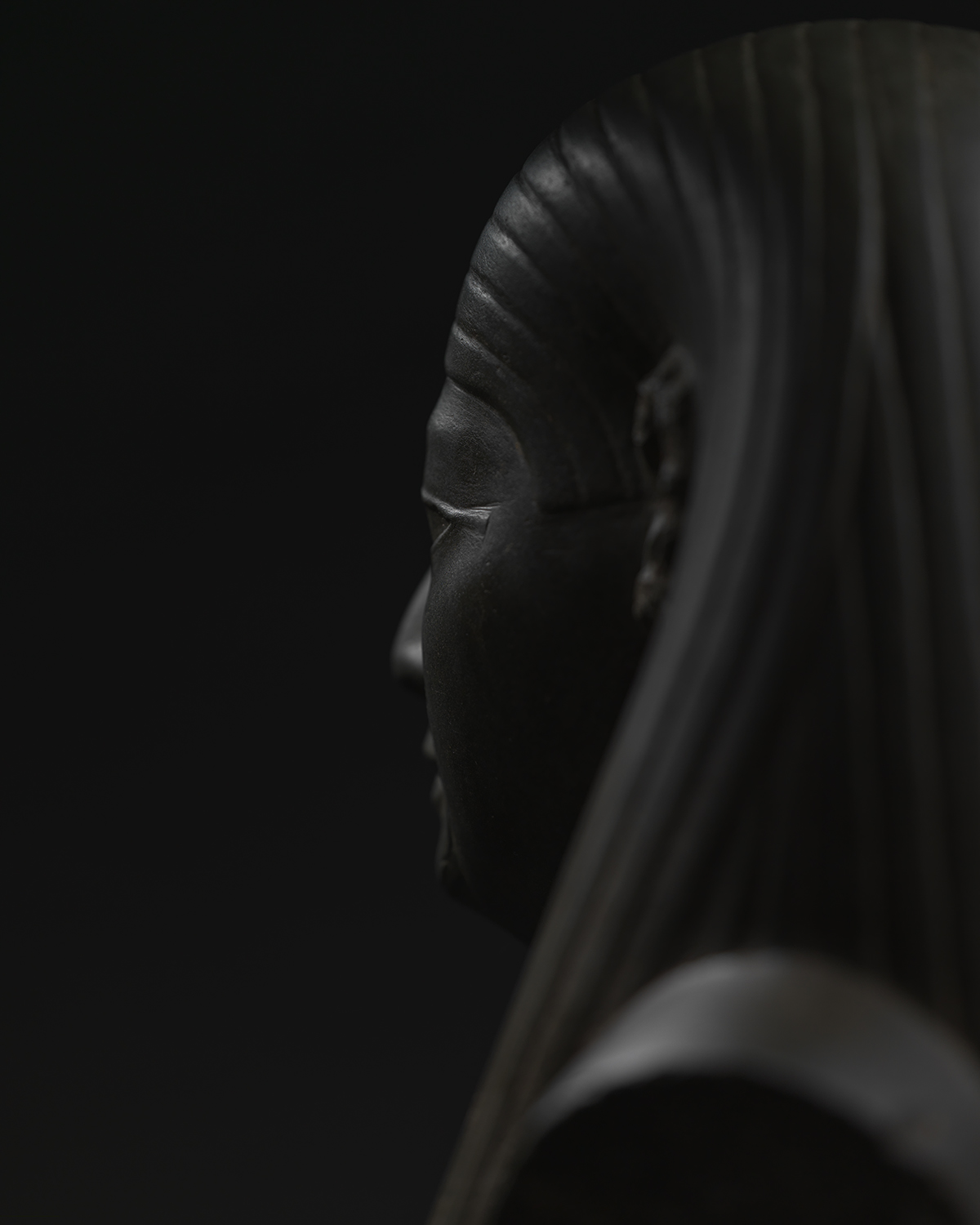
A Goddess by the Greywacke Master, Dynasty XXVI, Reign of Amasis II, 570-526 B.C., Egypt. Image: David Brunetti
This explains why the bust has been described in so many ways. Without the uraeus or other identifying emblems it is hard to pinpoint exactly who it was designed to embody, both at first, and after the uraeus was removed. The initial presence of a uraeus and tripartite wig means it must have represented either a royal or divine subject originally. The tripartite wig was much more commonly seen on women of the Late Period, and can be seen on images of elite unmarried women, queens, and goddesses. As it was so finely crafted, and the other works by the Greywacke Master were all dedicated at the Temple of Sais, it follows that this bust would have also been displayed there. This suggests that the bust probably represented one of the goddesses of the ancient Egyptian pantheon when it was first made, as stated by Bothmer.
Although there are many questions still left to be explored, the answers revealed through our multidisciplinary research demonstrate the value of such a collaborative approach. Through scientific and art-historical study, this bust has been restored from an unknown, misunderstood, and uncelebrated piece of lost history to its rightful place as the work of a master craftsman, made to adorn the main sanctuary of the Saite pharaohs. Based on our research, we have chosen to non-invasively reattach the earlier restorations, as they represent a key part of the bust’s story. Despite its long journey through tumultuous times and changing attitudes towards sculpture, the Greywacke Goddess has returned as one of the masterpieces of its age.
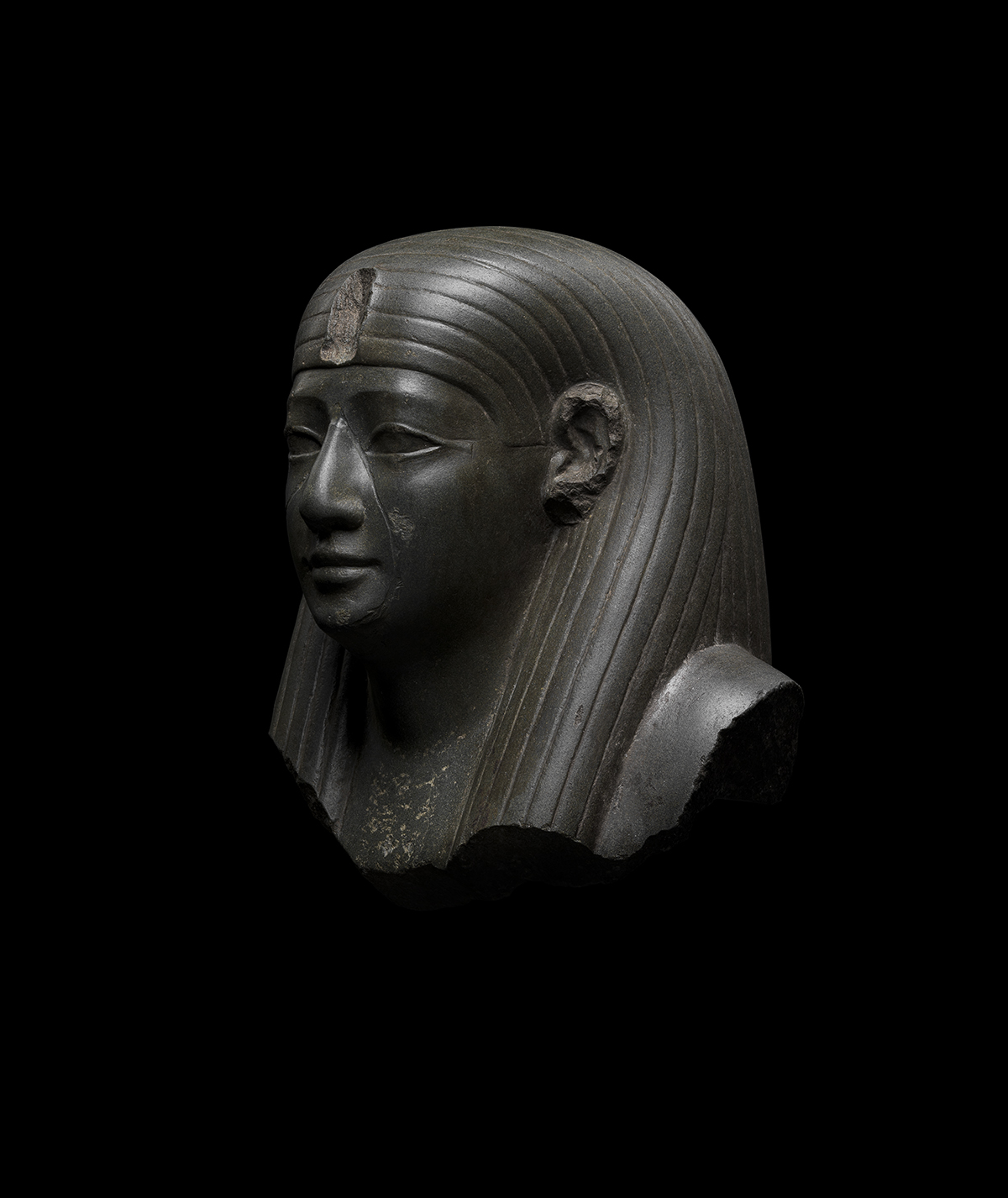
A Goddess by the Greywacke Master, Dynasty XXVI, Reign of Amasis II, 570-526 B.C., Egypt. Image: David Brunetti


